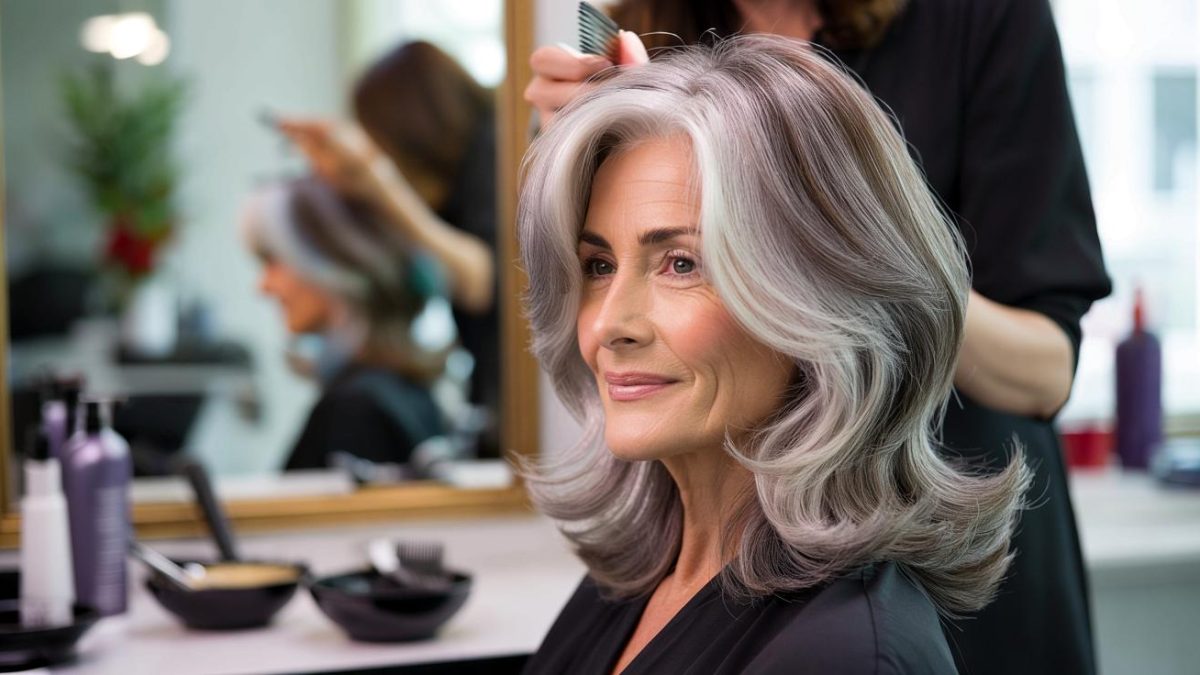
As we journey through life, grey hair becomes an increasingly prominent feature for many of us. Rather than viewing this natural transition as something to hide, a growing movement celebrates the beauty of salt-and-pepper locks. Yet achieving that perfectly blended, dimensional look requires more than just letting nature take its course. Enter reverse colouring—a sophisticated hairdressing technique that’s revolutionizing how professionals approach grey hair. Unlike traditional methods that focus on covering greys, reverse colouring works harmoniously with your natural greying process to create stunning visual depth and sophistication.
Understanding the Traditional Approach to Grey Hair
For decades, the standard response to grey hair has been straightforward: cover it. Permanent colour treatments, demi-permanent solutions, and root touch-ups have dominated the conversation around managing salt-and-pepper hair. While these methods certainly serve their purpose, they often create a uniformly coloured result that can appear flat and artificial.
The traditional approach typically involves selecting a shade that matches or complements your original hair colour, then applying it throughout to mask the grey. This method certainly works, but it requires ongoing maintenance—sometimes every four to six weeks—to address regrowth. Moreover, the contrast between the coloured hair and emerging grey roots can create an unflattering banding effect that draws attention to precisely what you’re trying to minimize.
Many people find this cycle frustrating and expensive. Additionally, repeated chemical treatments can compromise hair health, leading to dryness, brittleness, and loss of natural shine. This is where reverse colouring offers a refreshing alternative that aligns with contemporary attitudes toward ageing gracefully.
What Exactly Is Reverse Colouring?
Reverse colouring flips the script entirely. Rather than covering your grey, this technique strategically adds darker tones to your existing pigmented hair while allowing—and even enhancing—the visibility of your natural grey and white strands. The method works by applying colour to the non-grey portions of your hair, creating a beautiful interplay between your natural silver and the added depth of darker shades.
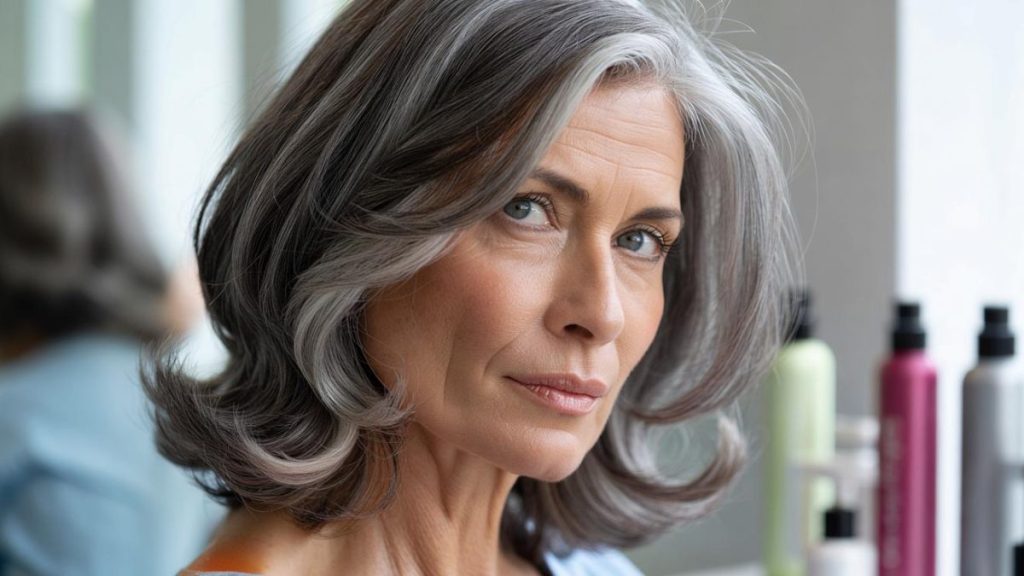
The result is a sophisticated, multidimensional appearance that looks intentional and polished. Instead of fighting against your greying process, reverse colouring embraces it as a design element. This approach celebrates the natural beauty of salt-and-pepper hair while adding professional styling expertise to elevate the overall effect.
What makes this technique particularly clever is its practicality. By focusing colour application on your darker strands rather than attempting to cover everything uniformly, the regrowth becomes less visible and problematic. When new hair grows in, it blends naturally with the existing colour scheme rather than creating harsh, obvious roots.
The Science Behind Why Reverse Colouring Works
Understanding the principles behind reverse colouring helps explain its effectiveness. When you colour only your existing pigmented hair darker, you’re creating contrast without the maintenance nightmare. Your eyes perceive the overall effect as intentionally designed rather than haphazardly grown out.
The human eye is remarkably skilled at detecting patterns and intentionality in hair colour. A carefully executed reverse colouring creates visual balance—the darker shades anchor the style while the grey and silver strands provide luminosity and lightness. This interplay creates depth that single-process colour simply cannot achieve.
Additionally, reverse colouring works within your hair’s natural growth cycle. Because the technique doesn’t attempt to cover every millimetre of your head, the constant battle against regrowth becomes obsolete. Your hair can grow naturally, and the new growth simply adds to the intended design.
How Professional Hairdressers Execute Reverse Colouring
Implementing reverse colouring successfully requires skill and experience. A professional hairdresser will begin with a thorough consultation to understand your specific salt-and-pepper pattern, your desired result, and your lifestyle needs. Everyone’s greying process is unique—some experience it primarily at the roots, others throughout the length, and still others in specific sections like the sides or crown.
Once the plan is established, the stylist will apply colour strategically to the darker hair sections. This might involve balayage techniques for a more natural-looking blend, or sectioned application for more controlled placement. The goal is always to create seamless integration between the coloured and natural grey portions.
The choice of colour shade is crucial. Rather than matching your original colour, professionals typically select a shade that complements both your grey and remaining pigmented hair. Cooler tones often work beautifully with grey, creating a cohesive, contemporary look. Some stylists even use rich charcoals, deep browns, or subtle ash tones depending on skin tone and personal preference.
Benefits That Extend Beyond Aesthetics
Beyond the obvious visual advantages, reverse colouring offers practical benefits that appeal to people seeking low-maintenance solutions. The extended time between touch-ups means fewer salon visits and reduced styling costs over time. Many people find they can stretch appointments from every four weeks to every eight weeks or even longer.
Reduced chemical exposure is another significant advantage. Because less of your hair receives colour treatment, you’re subjecting it to fewer harsh chemicals. This typically results in healthier, shinier, stronger hair overall. Many clients report improved hair texture and condition after switching to reverse colouring.
There’s also an emotional component. Rather than viewing grey hair as a problem requiring concealment, reverse colouring allows you to feel confident and intentional about your appearance. You’re not fighting against nature—you’re working with it. This psychological shift can be remarkably empowering.
Is Reverse Colouring Right for You?
While reverse colouring works wonderfully for many people, it isn’t universally ideal. Those with very little remaining pigmented hair might find that reverse colouring doesn’t provide sufficient colour coverage for their preferences. Conversely, people who are only beginning to grey might not see dramatic enough results.
The best candidates are typically those with a genuine salt-and-pepper pattern—enough grey to create visual interest, but enough darker hair remaining to colour strategically. If you’re comfortable embracing your natural greying and want a polished, intentional appearance, reverse colouring is likely worth exploring.
Consultation with an experienced colourist is essential. They can assess your specific hair, colouring pattern, and goals to determine whether reverse colouring will achieve your desired result.
The Future of Grey Hair Styling
Reverse colouring represents a broader cultural shift toward embracing natural ageing while still enjoying professional styling expertise. It’s part of a larger movement celebrating grey hair as beautiful rather than something to be hidden. This technique allows people to have the best of both worlds—the authenticity of natural greying combined with polished, professional styling.
As conversations around beauty standards continue evolving, techniques like reverse colouring will likely become increasingly popular. They offer a sophisticated, practical solution that respects both your natural hair and your desire to look your absolute best.







Leave a Comment