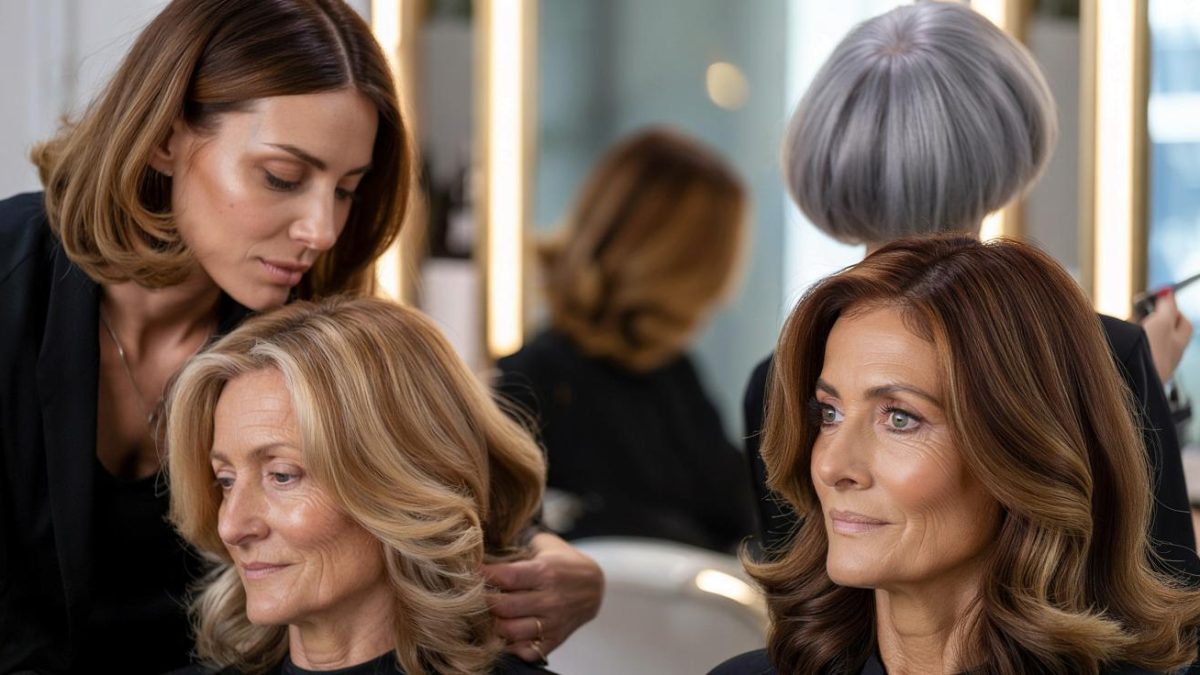
When women walk into my salon at fifty and beyond, they often carry misconceptions about what works with their maturing skin and changing hair texture. Throughout my twenty years behind the chair, I’ve learned that aging hair requires a completely different coloring philosophy than what worked in your twenties or thirties. The transformation happens naturally, but that doesn’t mean your color game has to suffer. In fact, this phase of life opens up remarkable possibilities when you understand the science and strategy behind flattering color choices.
Understanding How Your Hair Changes After Fifty
The journey toward your golden years brings substantial changes to your hair structure. Your hair becomes finer, less dense, and develops different porosity levels. These aren’t setbacks—they’re simply new realities that demand adjusted techniques. When pigment molecules interact with changed hair structure, they behave differently than they did decades ago. This means the vibrant red that looked stunning at thirty might appear too bold now, while a shade you previously avoided could become absolutely luminous.
Your scalp also shifts. It produces less natural oils, making some women’s hair drier while others experience unexpected oiliness in certain areas. This biological change directly impacts how color develops and how long it lasts. Understanding this foundation helps explain why salon visits become more important rather than less, and why your maintenance routine needs evolution.
The Science Behind Flattering Shade Selection
The most crucial decision isn’t about following trends—it’s about understanding undertones in both your skin and chosen colors. Women over fifty typically have more pronounced undertones in their complexion. Whether you lean warm, cool, or neutral dramatically influences which shades will brighten versus dull your appearance.
I recommend every client over fifty invest in a professional color analysis. This isn’t vanity; it’s strategy. Knowing whether you’re a cool-toned blonde versus warm-toned blonde changes everything. A cool ash blonde will make a warm-undertoned complexion look sallow, while it’ll make cool undertones absolutely glow. The reverse happens with warm golds and honey tones.
My Top Shade Recommendations for This Life Stage
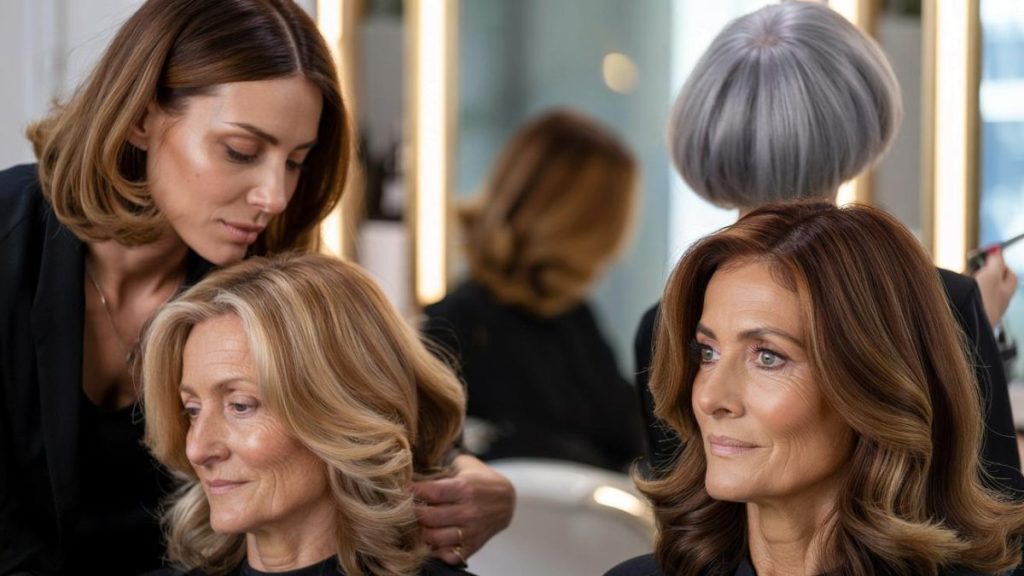
Through countless consultations, certain shades consistently deliver stunning results. Rich chocolate browns with subtle caramel highlights provide dimension while covering gray thoroughly. This combination flatters most skin tones and photographs beautifully in natural lighting—important since mature skin shows everything.
Soft blonde pieces around the face create a luminous frame without committing to full coverage. This technique works particularly well for women transitioning toward their natural silver. Rather than fighting gray completely, strategically placed highlights embrace the transition while maintaining control and polish.
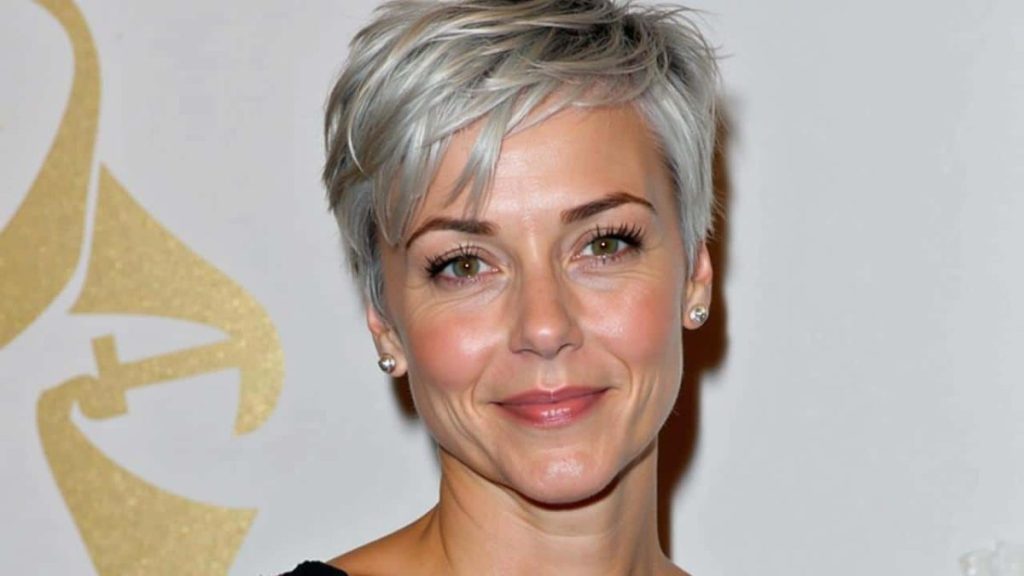
For those ready to embrace gray completely, silvery-toned dyes specifically formulated for mature hair create sophistication that box dyes simply cannot achieve. Professional silver and platinum shades have different undertones than yellowy silver, making the difference between elegant and aged.
Warm caramel and honey tones remain universally flattering, especially for women with warm undertones. These shades add apparent dimension while maintaining a youthful glow that cool tones sometimes strip away. The key is selecting depths that create contrast without appearing harsh against mature skin.
Addressing Common Concerns With Mature Hair Coloring
Gray hair presents unique challenges because it often has different texture and porosity than pigmented hair. A single process color won’t cover gray as completely as it did when your natural hair was denser. I recommend a two-step process: first a custom-mixed base color, followed by dimensional lighter tones that create visual interest while the base handles gray coverage. This approach looks more natural and vibrant than uniform single-color coverage.
Many women worry about damage, rightfully so. Mature hair genuinely cannot tolerate the processing that younger hair handles. I never recommend at-home color boxes because they use universal processing strengths. Professional colorists customize processing times for your hair’s specific needs. We use lower-volume developers and strengthen formulas that younger clients don’t require.
Another concern is fading quickly. This happens more rapidly in mature hair, so discussing gloss treatments and color-depositing products becomes essential. Every two to three weeks, clients should use purple, ash, or blue-toning shampoos depending on their shade. These extend color life dramatically and cost far less than frequent salon visits.
Building a Sustainable Maintenance Plan
Frequency matters enormously. Rather than waiting six weeks between touch-ups as you might have at forty, mature hair benefits from every four weeks. This sounds expensive until you understand why: lighter processing is gentler, keeps your scalp healthier, and maintains better color integrity. One monthly visit beats one dramatic bi-monthly visit that damages hair.
Between appointments, proper maintenance transforms results. Sulfate-free shampoos are non-negotiable—they’re gentler and prevent color molecules from washing away. I recommend washing in cooler water, which seals the hair cuticle and keeps color inside longer. Hot water opens the cuticle, allowing color to escape.
Deep conditioning becomes a weekly ritual, not optional maintenance. Color processing opens the hair cuticle to deposit pigment; conditioning helps seal it afterward. Skipping this step means color fades faster and hair becomes increasingly fragile. I recommend clients invest in one excellent mask rather than multiple mediocre products.
The Consultation Conversation You Should Have
Before coloring, discuss your lifestyle honestly. Are you swimming regularly? Spending significant time in the sun? Working in climate-controlled environments that dry hair? Each factor influences which shades will maintain best and which techniques work optimally. A colorist working with incomplete information will struggle to deliver lasting results.
Talk about timing too. Newly colored hair looks most beautiful the first two weeks. Understanding this helps you plan salon visits around important events rather than scheduling randomly. Many women don’t realize they can plan color appointments strategically around their social calendar.
Final Thoughts From The Chair
After two decades watching women transform their confidence through thoughtful color choices, I’ve learned this isn’t simply about covering gray. It’s about understanding your hair’s new needs, selecting shades that complement your maturing complexion, and committing to sustainable maintenance. The women who look absolutely radiant at fifty-plus aren’t necessarily those with the most expensive products—they’re those who’ve aligned their coloring choices with their hair’s reality and their lifestyle.
Your hair over fifty deserves respect for what it is while celebrating what it can become. That’s where real beauty lives.









Leave a Comment