
The familiar ritual of adjusting our clocks twice yearly is about to take an unexpected turn. Come 2026, the United Kingdom will experience a notably earlier transition to winter time, fundamentally altering how daylight distributes across our days. This shift means darker mornings and earlier sunsets than the current schedule, creating a ripple effect throughout households, workplaces, and entire communities.
Understanding the 2026 Clock Change Timeline
For decades, British households have grown accustomed to a predictable rhythm. Clocks spring forward in late March and fall back in late October, a pattern so ingrained that most people barely notice the transition. However, 2026 breaks this tradition with an earlier shift to Greenwich Mean Time, disrupting that comfortable familiarity many of us have relied upon.
The precise timing of this change matters considerably. Rather than occurring in the final weeks of October as usual, the adjustment in 2026 will happen several weeks earlier. This seemingly small difference cascades into significant consequences for daily living. An earlier transition means fewer daylight hours during what should still be autumn, catching many people unprepared for the abrupt darkness that follows.
This modification stems from various considerations within UK policy discussions regarding energy conservation, health impacts, and harmonisation with European timekeeping standards. Nonetheless, the practical implications for everyday Britons deserve serious attention and understanding.
The Morning Darkness Dilemma
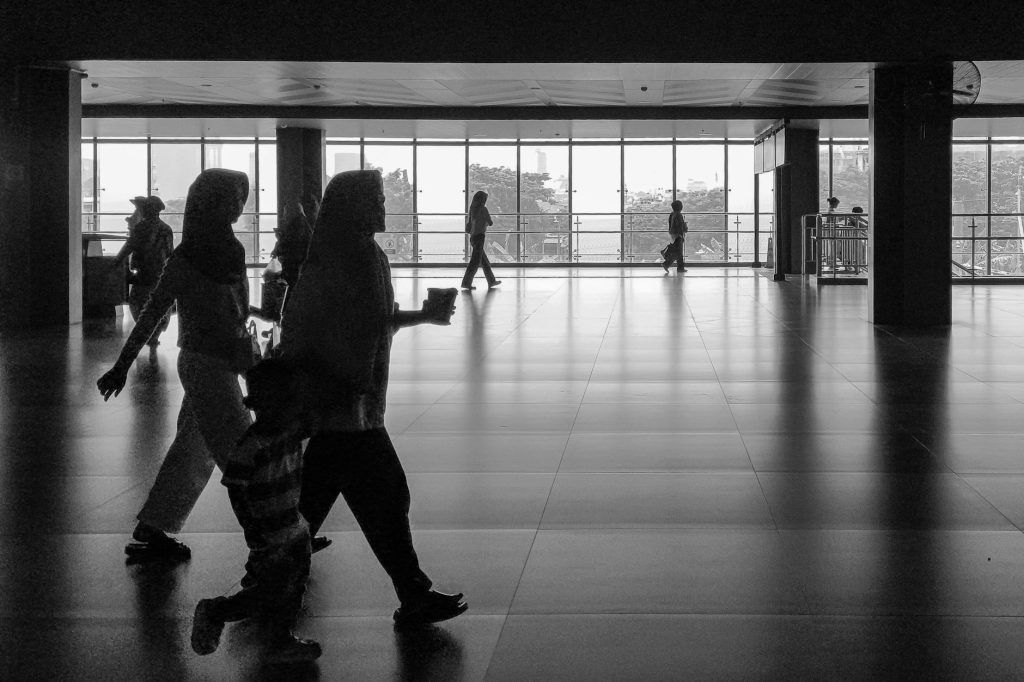
One of the most jarring consequences of an earlier clock change involves your morning routine. Imagine stepping into your shower while darkness still blankets your home, or worse, checking the time to discover you’ve already been awake for an hour in near-total darkness. This becomes the reality for millions when 2026 arrives.
Early risers particularly feel this impact sharply. Those accustomed to waking before dawn will now navigate their homes with increased reliance on artificial lighting. The psychological weight of starting your day in darkness shouldn’t be underestimated. Our bodies follow circadian rhythms deeply connected to natural light exposure, and an earlier clock change disrupts these biological clocks significantly.
Commuters face additional challenges during darker mornings. The school run becomes hazardous, with children waiting at bus stops shrouded in darkness. Cycling enthusiasts must reconsider safety measures, whilst joggers require enhanced visibility equipment. Parents balancing early starts and childcare logistics find their established routines thrown into chaos.
Sunset Times and Evening Activities
Beyond morning disruptions, the earlier clock change reshapes our entire relationship with daylight. Sunset times shift dramatically, arriving several weeks before we typically expect them. What many consider prime evening time suddenly occurs in darkness, fundamentally changing how families spend their afternoons and evenings.
The implications extend to children’s outdoor play. Parents accustomed to allowing kids outdoor activities until traditional dusk now find themselves calling children inside considerably earlier. Sports clubs face scheduling challenges, with training sessions moving earlier or requiring artificial lighting installation. Recreational football, netball, and other pitch-based activities struggle with reduced natural light availability.
Even simple activities like walking dogs or taking evening constitutionals become less appealing when darkness descends during what feels like mid-afternoon. The psychological effect of perpetual darkness during what should be active evening hours can contribute to seasonal mood changes and reduced outdoor activity levels.
Health and Wellness Consequences

Medical professionals increasingly acknowledge the profound health implications of daylight exposure timing. Earlier clock changes intensify seasonal affective disorder symptoms for vulnerable populations. Reduced morning light exposure disrupts melatonin production, sleep quality, and overall circadian rhythm regulation.
Sleep patterns often suffer dramatically during clock change periods. The human body requires adjustment periods, sometimes lasting weeks, to synchronise with new light schedules. An earlier change means people spend extended periods operating on disrupted sleep cycles, affecting concentration, mood, and productivity.
Vitamin D synthesis depends significantly on natural sunlight exposure. Earlier darkness means reduced opportunities for skin exposure to beneficial ultraviolet rays, potentially impacting calcium absorption and bone health. Healthcare experts recommend increased awareness of these biological implications when major time shifts occur.
Workplace and Productivity Implications
The business world faces substantial challenges when clock changes disrupt established routines. Employee productivity often dips during adjustment periods, with research demonstrating measurable performance decreases following major time changes. Earlier darkness during working hours reduces natural light in offices, potentially necessitating increased lighting costs and energy consumption.
Remote workers benefit somewhat from flexibility, yet even they experience disruption to established patterns. Meetings scheduled around traditional timezone expectations shift awkwardly when clocks change earlier than anticipated. International businesses coordinating across multiple timezones face additional complexity.
Preparing Households for the Transition
Smart preparation helps households adapt to 2026’s earlier clock change. Gradually shifting sleep and wake times weeks before the change allows bodies to adjust naturally. Installing adequate lighting throughout homes, particularly in hallways and bathrooms, reduces morning confusion and safety hazards.
Light therapy lamps prove invaluable during extended darkness periods. These devices mimic natural sunlight and help regulate circadian rhythms when morning darkness becomes the norm. Scheduling outdoor activities earlier in the day maximises natural light exposure when it matters most.
Employers might consider staggered work start times, allowing employees more flexibility during adjustment periods. Schools could adjust lesson timetables temporarily, bringing outdoor activities forward to maximise daylight participation.
Looking Forward Beyond 2026
The 2026 clock change serves as a reminder of our deep dependence on light cycles and established routines. Whether this earlier change becomes permanent or represents a temporary adjustment remains subject to policy decisions. Regardless, the experience provides valuable insights into how sensitive our daily lives remain to subtle timing modifications.
Communities, businesses, and households must collectively acknowledge and prepare for these disruptions. By understanding the implications and planning accordingly, we can minimise negative impacts whilst maintaining the resilience and adaptability that characterises British life.











Leave a Comment