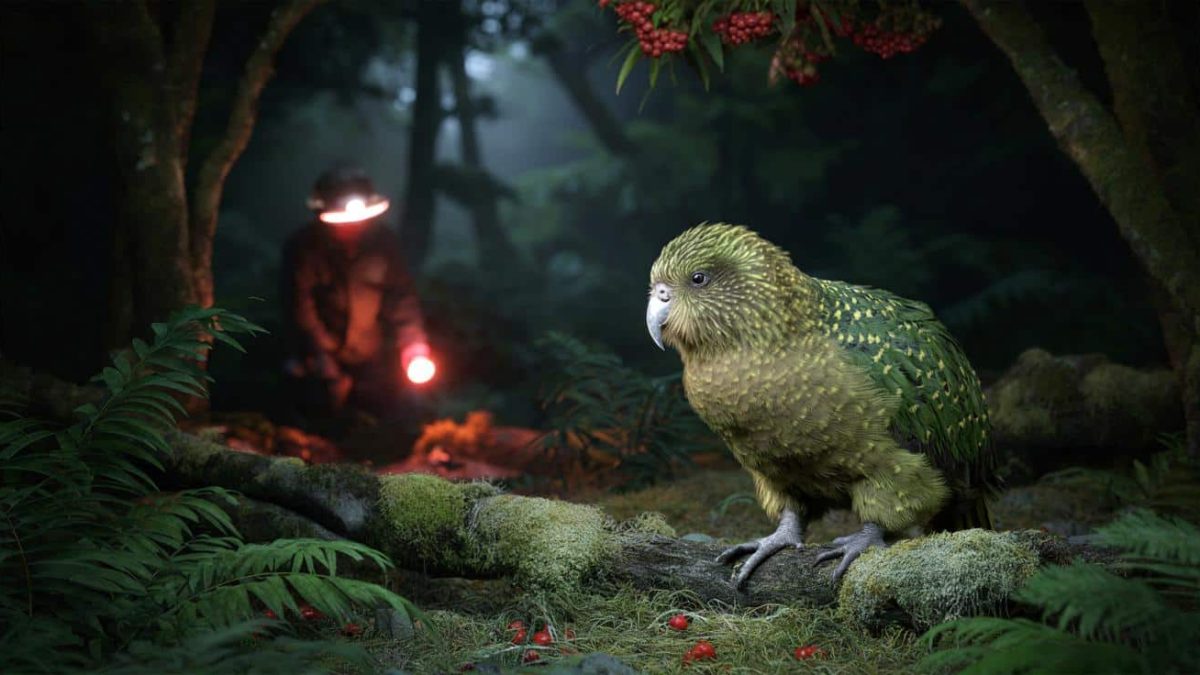
In the misty forests of New Zealand, a species teetering on the edge of extinction is experiencing a glimmer of hope. The kākāpō, a remarkable nocturnal parrot found nowhere else on Earth, has entered what could be a defining breeding season for the species. With fewer than 250 individuals remaining in the wild, every egg laid represents a crucial step toward preventing complete annihilation of this unique avian wonder.
The Kākāpō: A Living Fossil of the Pacific
The kākāpō stands as one of nature’s most extraordinary creations, a living testament to New Zealand’s unique evolutionary path. This flightless parrot, whose name derives from the Māori language meaning “night parrot,” represents a lineage that stretches back millions of years. Unlike their colorful cousins soaring through tropical skies, kākāpō evolved in isolation on the forest floor, developing traits that seem almost alien to modern ornithology.
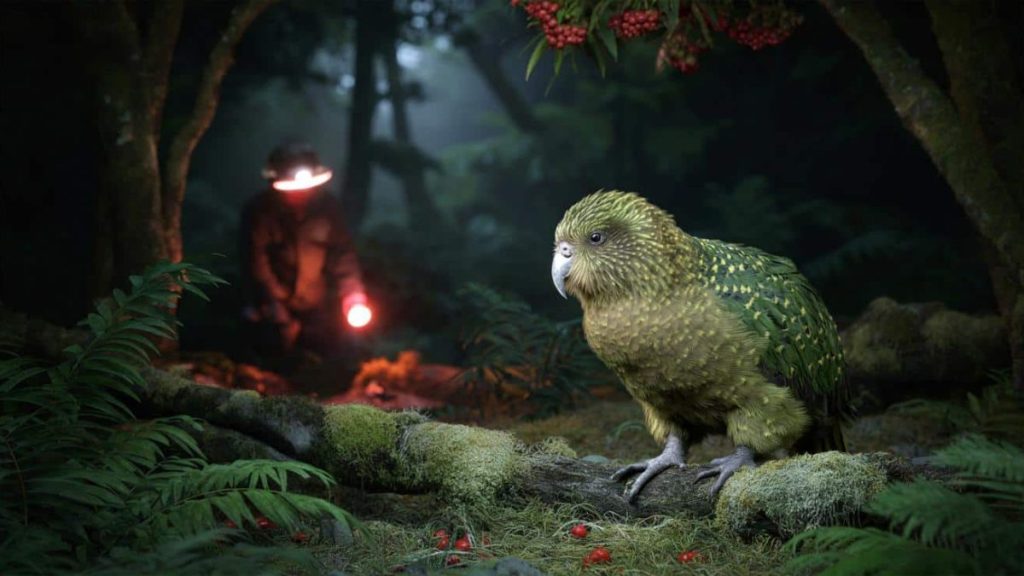
These nocturnal birds possess a combination of characteristics that make them utterly unlike any other parrot species. They can weigh up to three kilograms, making them among the heaviest parrots globally. Their plumage displays a mottled moss-green coloration that provides perfect camouflage in the dense undergrowth where they spend their nights foraging. Most remarkably, they produce a loud, resonant booming call that echoes through New Zealand’s forests during breeding season—a sound that has captivated indigenous Māori people for centuries.
From Abundance to the Brink of Oblivion
The kākāpō’s journey from thriving forest dweller to endangered species reads like a tragic chronicle of human impact on pristine ecosystems. Prior to human settlement in New Zealand around 700 years ago, kākāpō populations flourished across the islands, with scientists estimating approximately 150,000 individuals inhabited the forests. The arrival of Polynesian settlers brought with them rats and other predatory mammals that had no natural competitors in New Zealand’s island ecosystem.
The situation deteriorated dramatically following European colonization in the 1800s. Introduced possums, stoats, and rats devastated the kākāpō population, while habitat destruction through deforestation accelerated the species’ decline. By the late 20th century, conservationists feared the species was already functionally extinct in the wild. Only through intensive intervention and the discovery of a small population on remote islands was the kākāpō rescued from complete oblivion.
The Intricate Challenge of Breeding a Species Back From the Edge
Breeding kākāpō presents challenges that seem almost insurmountable. These remarkable birds reproduce only every two to four years when native plants produce abundant seeds, a phenomenon driven by environmental cycles that scientists are still working to understand fully. Female kākāpō typically lay between one and four eggs, with survival rates complicated by the birds’ tendency toward inbreeding given their extremely limited population.
Conservation teams, primarily coordinated through the New Zealand Department of Conservation, have implemented an unprecedented management strategy. Scientists and researchers work around the clock during breeding seasons, monitoring individual birds, collecting eggs for artificial incubation, and hand-raising chicks to maximize survival rates. Each bird in the population has been assigned a unique name and is tracked meticulously, with detailed genetic records maintained to minimize the dangers of inbreeding depression.
Technology and Dedication Offering New Hope
Modern conservation efforts leverage cutting-edge technology combined with unwavering human dedication. GPS tracking devices monitor individual birds’ movements, helping researchers understand their behavior patterns and breeding success. Advanced genetic analysis has revealed the historical population bottleneck the species endured, providing crucial insights into genetic diversity challenges.
The current breeding season represents the culmination of decades of meticulous work. Conservationists have prepared forest reserves on predator-free islands, creating sanctuary spaces where kākāpō can breed without the constant threat from introduced species. Teams armed with specialized equipment venture into remote, challenging terrain to locate nesting sites, monitor egg development, and ensure chicks receive proper nutrition and care.
A Global Significance Beyond One Species
The kākāpō’s struggle resonates far beyond New Zealand’s borders. This species has become an international symbol for the possibility of reversing extinction, even when populations have declined to seemingly irreversible levels. Conservation programs from around the world study the kākāpō recovery effort as a blueprint for managing critically endangered species.
The campaign to save kākāpō demonstrates that extinction is not inevitable, that determined human effort combined with scientific innovation can snatch species back from the precipice. However, it also underscores the immense resources required and the difficult reality that prevention is far more efficient than recovery.
The Uncertain Path Forward
Despite significant progress, the kākāpō remains in precarious circumstances. The species’ dependence on specialist plant food sources makes them vulnerable to climate variations. Invasive species continue threatening populations, requiring constant vigilance. Additionally, the genetic limitations resulting from the severe population bottleneck pose ongoing challenges.
Yet each successful breeding season brings genuine cause for optimism. When kākāpō chicks fledge successfully, when juvenile birds reach reproductive maturity, and when new pairs form in the forest, conservationists witness tangible evidence that their extraordinary efforts are yielding results. The current breeding season carries the weight of these accumulated hopes and the dedication of countless individuals committed to this species’ survival.
Conclusion: A Battle for Biodiversity
The kākāpō’s breeding season represents far more than a biological event; it embodies humanity’s capacity for redemption regarding environmental stewardship. In forests where these remarkable nocturnal parrots boom their ancient calls under starlit skies, we witness nature’s resilience and conservation’s potential. While the road remains long and uncertain, every kākāpō that survives to adulthood represents victory against extinction, proof that with sufficient will and resources, even the most imperiled species can be granted a second chance at survival in our rapidly changing world.











Leave a Comment