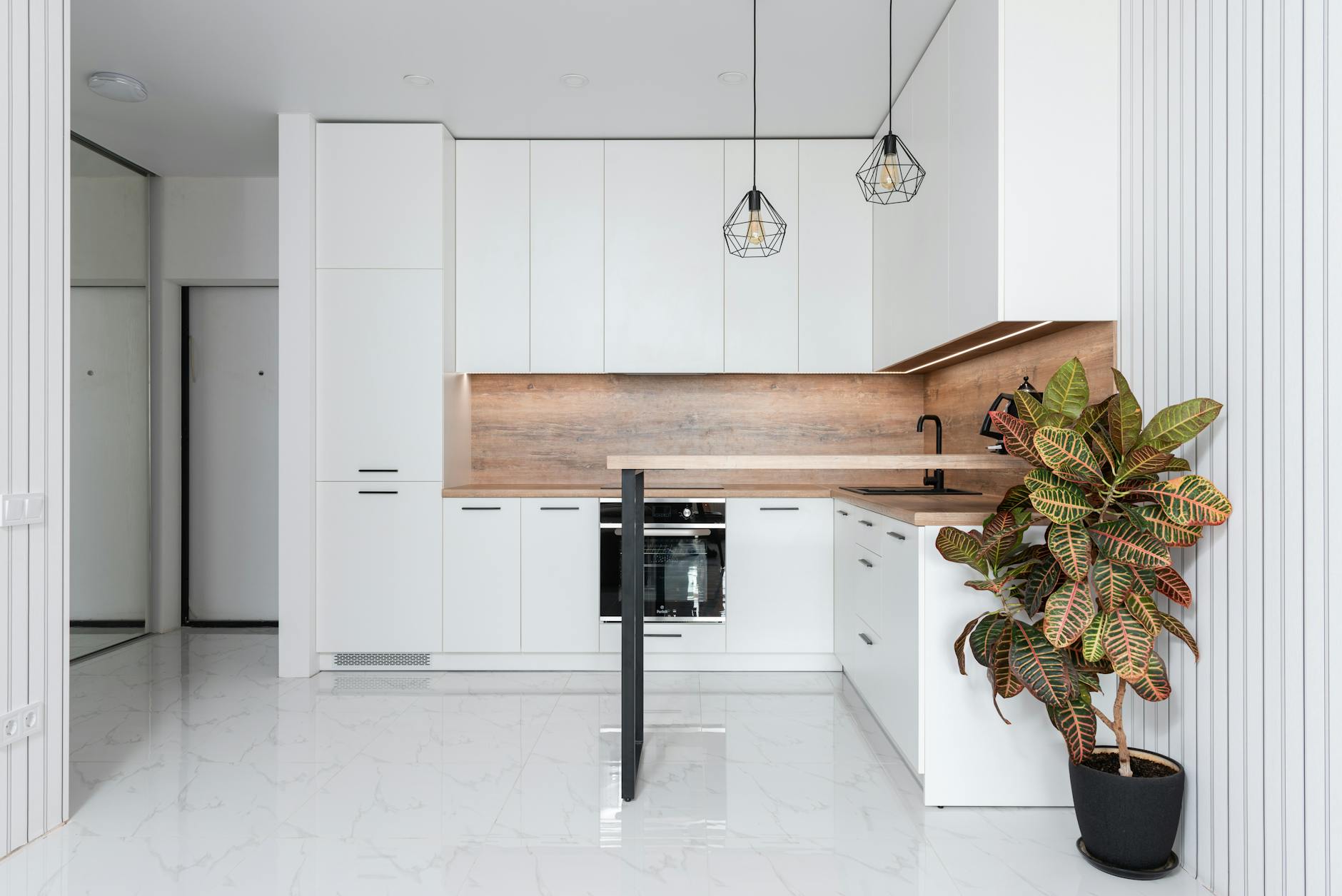
The kitchen island has dominated home design conversations for two decades, but an architectural shift is quietly reshaping how we think about culinary spaces. As we move into 2026, design professionals and homeowners are embracing a more refined approach that challenges the necessity of these space-consuming centerpieces. What’s replacing them isn’t just practical—it’s redefining what luxury kitchens actually look like.
Why Kitchen Islands Are Losing Their Luster
For years, the kitchen island represented progress. It symbolized open-concept living, entertaining capability, and the promise of a chef’s kitchen at home. Yet this universally adopted design element created unexpected problems that became increasingly apparent as families actually lived with them.
The primary issue? Movement. Kitchen islands obstruct the natural flow between cooking zones, storage areas, and dining spaces. They create bottlenecks during meal preparation when multiple people need access to appliances simultaneously. The perpetual traffic jam around a central island—with family members squeezing past each other, children climbing on barstools, and deliveries blocked from reaching the countertop—has become a source of frustration rather than joy in countless homes.
Beyond functionality, islands consume considerable square footage in rooms that might benefit from that space elsewhere. For average homeowners without sprawling kitchens, the island represents 15-20% of available counter and floor space dedicated to a single design feature. In an era where genuine versatility and intentional design matter more than trend-following, this allocation feels increasingly indulgent.
Introducing the Perimeter Workstation System
The trend replacing kitchen islands is called the Perimeter Workstation System, and it redistributes kitchen functionality around the room’s outer walls in strategically designed zones. Rather than one central hub handling everything, this approach creates dedicated areas: a beverage station near the refrigerator, a preparation zone with primary counter space adjacent to the stove, a washing station near the sink, and a finishing area positioned away from active cooking zones.
This layout sounds simpler than it is—its elegance lies in the psychology of movement and efficiency. When zones are positioned according to actual workflow patterns, cooking becomes intuitive rather than navigational. Family members can occupy different zones simultaneously without collision, making the kitchen genuinely functional for multiple cooks.
Design firms are reporting that clients who implement this system experience measurable improvements in kitchen satisfaction. The psychological benefit of unobstructed sightlines—being able to see across the entire kitchen at once—creates a sense of spaciousness that islands actively prevent. A 12-by-14-foot kitchen suddenly feels considerably larger when it isn’t bisected by a permanent structure.
Aesthetic Advantages That Aren’t Obvious
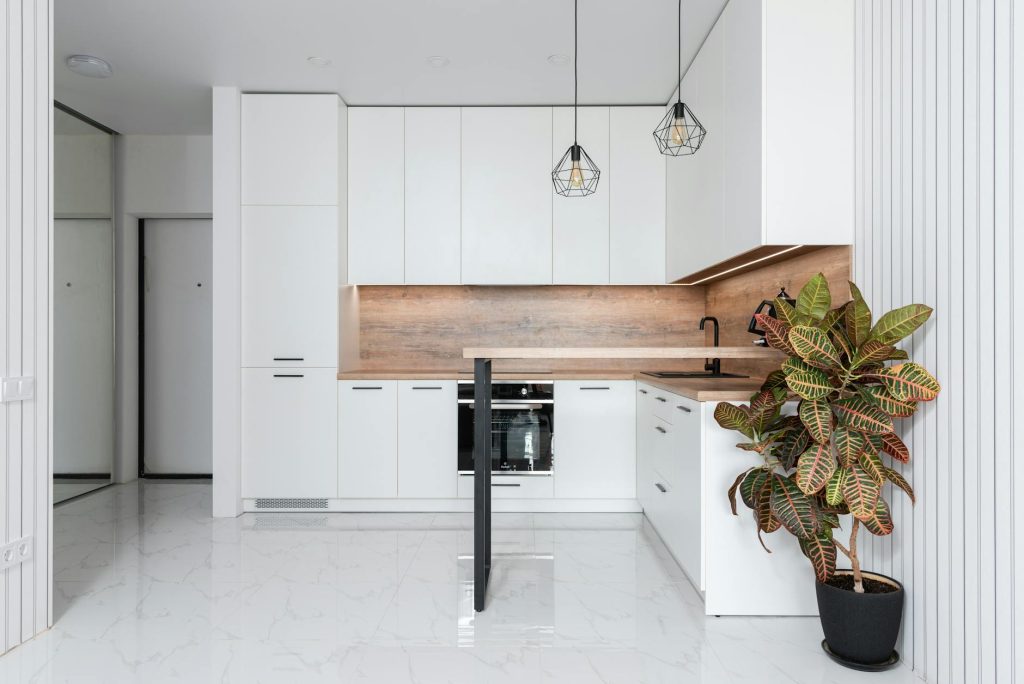
The visual transformation is striking. Without the island anchor, contemporary kitchens achieve a gallery-like quality. Cabinetry lines become cleaner, sightlines extend further, and architectural details receive appropriate attention rather than competing with an oversize piece of furniture.
High-end residential projects are showcasing perimeter kitchens with statement-making elements that islands previously overshadowed. A sculptural range hood becomes the focal point. Custom tile work on accent walls draws the eye. Substantial pendant lighting installations can finally breathe without fighting for visual dominance. The effect is sophisticated rather than cluttered—precisely the opposite of the visual heaviness that many modern kitchens project.
Material choices have also evolved. Rather than uniform countertop surfaces, designers are introducing layered materiality: waterfall edges on select counters, integrated wood elements contrasting with stone, and textural diversity that creates visual interest without chaos. These details work because they’re not competing for attention with a central island.
Smart Storage Solutions Replace Lost Counter Space
A legitimate concern about eliminating islands involves counter space and storage. Smart kitchens address this through innovative cabinetry solutions that weren’t practical when islands occupied prime real estate.
Pull-out pantries fitted within standard cabinetry provide unprecedented storage density. Deep drawers with interior dividers organize cooking equipment more efficiently than island shelving. Corner solutions—once considered dead space—now feature motorized carousels and dynamic shelving systems that maximize access to previously wasted footage.
Counter surface area increases paradoxically when islands disappear. With perimeter space no longer shared with a central structure, continuous countertops run uninterrupted, providing more usable surface than an island could reasonably offer. For serious cooks, this represents an actual upgrade rather than compromise.
The Entertainment Factor Reconsidered
Kitchen islands marketed themselves as entertainment hubs—spaces where guests could gather while hosts prepared meals. The perimeter approach initially seems to sacrifice this social function, but reimagined kitchens have discovered something better: peripheral seating that doesn’t interrupt workflow.
Breakfast nooks positioned in kitchen corners, low-profile bar seating integrated into counter height, and dining areas immediately adjacent to food preparation zones create natural gathering spaces that don’t obstruct activity. Guests remain engaged without creating physical barriers between the cook and essential kitchen functions.
This arrangement actually facilitates more genuine conversation, as hosts and guests face one another rather than having the island create an isolated position for whoever’s cooking.
Practical Implementation Considerations
Transitioning to a perimeter kitchen requires intentional planning. Appliance placement becomes more critical when you don’t have an island to define space. Professional kitchen designers now spend considerable time mapping workflow patterns, ensuring electrical outlets are positioned strategically, and verifying that ventilation solutions work without a central hood supporting them.
For those renovating existing kitchens, removing an island isn’t simple deconstruction—it requires addressing electrical connections, potentially relocating outlets, and redesigning cabinetry to optimize newly available space. However, this investment yields lasting functional and aesthetic improvements that exceed the costs.
Looking Forward
The shift away from kitchen islands reflects broader design maturity. We’re moving beyond trend-following toward solutions that genuinely improve daily life. The 2026 kitchen prioritizes how space actually functions, how multiple people navigate it, and how it supports both cooking and living.
For homeowners considering kitchen renovations or building new homes, questioning the assumed necessity of an island represents sophisticated thinking. The most elegant solutions often involve subtraction rather than addition—and the modern kitchen proves this principle elegantly.











Leave a Comment