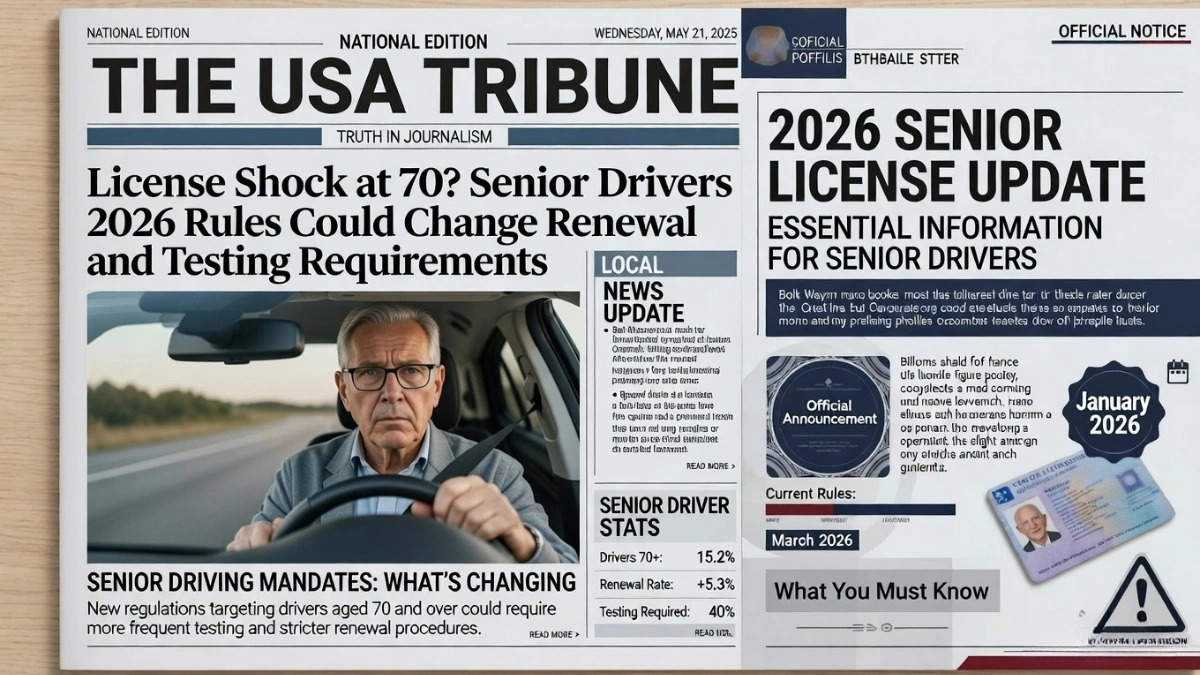
The question of when someone becomes too old to drive safely has sparked endless debate among policymakers, safety advocates, and aging populations worldwide. Rather than adhering to rigid age limits, contemporary traffic regulations have evolved toward a more nuanced approach that prioritizes individual capability over chronological numbers.
The Myth of Fixed Age Limits
For generations, drivers and their families anticipated the moment when they might lose their driving privileges due to reaching a certain age. Many assumed that turning 70, 75, or 80 would automatically trigger revocation of their license. However, this assumption doesn’t reflect the reality of modern traffic regulations in most developed nations.
The truth is far more sophisticated. While some countries maintain minimum age requirements for obtaining a license, the concept of a hard-and-fast maximum age has become increasingly uncommon. Instead, regulatory bodies recognize that chronological age alone provides little insight into whether someone can operate a vehicle safely.
A 75-year-old with excellent health, sharp reflexes, and regular medical oversight might be far safer on the road than a 45-year-old with untreated medical conditions or poor driving habits. This recognition has fundamentally shifted how traffic authorities approach senior driver licensing.
The Shift Toward Competency-Based Assessment
Modern traffic regulations emphasize practical competency over age milestones. Instead of automatically revoking licenses at predetermined ages, jurisdictions now typically require periodic testing, medical evaluations, and vision assessments for older drivers.
These assessments examine multiple factors that genuinely impact driving ability: reaction time, vision acuity, hearing capability, cognitive function, and medication interactions. Some regions require annual or biennial medical certifications from healthcare providers who can identify conditions affecting driving safety, such as dementia, severe arthritis, or vision problems.
The United States exemplifies this approach. Rather than establishing a national maximum driving age, regulations vary by state. Some states require more frequent license renewals for drivers over certain ages—perhaps every three years instead of five—but they don’t automatically suspend licenses based solely on age. Instead, licensing officials evaluate whether individuals meet vision standards, pass written tests, and demonstrate adequate cognitive function.
International Variations in Driving Age Policies
Across the globe, countries have adopted remarkably different approaches to this complex issue. Understanding these variations reveals how cultural values, healthcare systems, and transportation infrastructure influence policy decisions.
Canada operates without a specific maximum driving age in most provinces, instead relying on assessment programs that trigger more frequent evaluations for older drivers. The European Union similarly avoids blanket age restrictions, with individual member states implementing their own frameworks. Some European countries require medical examinations and driving tests at regular intervals for drivers beyond certain thresholds, typically starting in their 70s.
Japan, facing a rapidly aging population, has pioneered comprehensive cognitive testing for drivers over 75. These assessments don’t automatically prevent people from driving but identify those requiring additional support or limitations on their licenses.
Australia takes a functional approach, requiring vision tests, medical declarations, and regular assessments rather than enforcing strict age cutoffs. This system allows capable older drivers to continue while identifying individuals whose physical or cognitive conditions create genuine safety risks.
The Medical Reality Behind Safe Driving
Traffic safety experts emphasize that driving safety depends on a constellation of physical and cognitive abilities rather than age alone. Critical factors include adequate vision, hearing, flexibility, strength, reaction time, and cognitive processing speed.
Vision remains paramount—drivers need sufficient acuity and peripheral vision to detect hazards. Hearing matters for detecting emergency vehicles and other audio warnings. Flexibility and strength enable drivers to turn their heads, control the vehicle adequately, and respond to emergency situations. Reaction time, though it naturally declines with age, remains adequate in many older adults, particularly those who maintain physical activity and mental engagement.
Cognitive function—the ability to process multiple pieces of information simultaneously, make rapid decisions, and maintain attention—proves crucial. Conditions like mild cognitive impairment or early dementia can compromise these abilities significantly, yet they might affect a 65-year-old more severely than an active 85-year-old.
Medication interactions represent another critical consideration. Certain drug combinations can impair driving ability regardless of age. Comprehensive medical evaluations help identify these problematic interactions before they endanger public safety.
Practical Approaches to Senior Driver Safety
Rather than absolute prohibitions, forward-thinking traffic regulations now incorporate graduated restrictions. An individual assessment might restrict driving to daytime hours only, limit travel to familiar routes, or require specific eyeglass prescriptions while driving.
Some jurisdictions offer defensive driving courses designed specifically for older drivers, refreshing skills and updating knowledge of traffic laws. These programs often qualify participants for insurance discounts while simultaneously improving safety outcomes.
Occupational therapy evaluations have become increasingly valuable. These specialists assess driving ability through both clinical testing and sometimes behind-the-wheel evaluations, providing detailed feedback about specific driving capabilities and limitations.
The Future of Age and Driving Regulations
As medical science extends healthy lifespan and improves treatments for conditions affecting driving ability, traffic regulations will likely continue evolving away from age-based restrictions. Emerging technologies, including vehicles with enhanced safety features and autonomous driving capabilities, may eventually transform this conversation entirely.
The trend clearly moves toward personalized assessment rather than categorical restrictions. This approach better protects public safety while respecting the autonomy and dignity of older adults capable of driving safely.
The bottom line: modern traffic regulations recognize that age itself shouldn’t determine driving privileges. Instead, individual assessment of medical condition, cognitive function, and practical driving ability provides a more accurate and fair approach to road safety. Whether someone can drive safely at 75, 85, or beyond depends entirely on their personal circumstances—not on arbitrary age thresholds established decades ago.










Leave a Comment