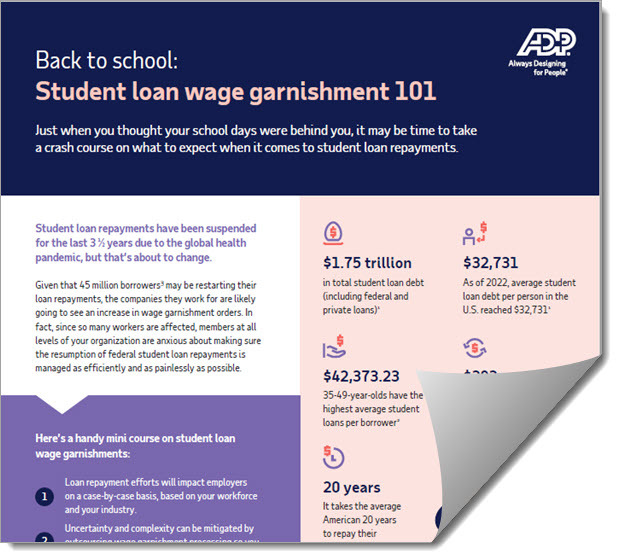
Millions of U.S. student loan borrowers were preparing for a financial shock. After years of pandemic-era relief, wage garnishment and other forced collections were set to resume for those in default.
Then, just days before enforcement was expected to begin, the federal government reversed course. Wage garnishment for defaulted federal student loans was paused, delaying actions that could have cut into paychecks, tax refunds, and federal benefits.
The move affects millions nationwide and comes amid ongoing confusion over repayment programs, processing delays, and rising household costs. For borrowers already struggling, the pause offers temporary relief — but not a permanent solution.
Student Loan Wage Garnishment: What Was About to Happen
Under federal law, borrowers who fall 270 days or more behind on federal student loans enter default status. Once in default, the government can initiate administrative wage garnishment, allowing up to 15% of disposable income to be withheld — without a court order.
In recent weeks, many borrowers reported receiving warning notices signaling that collections were about to restart. Employers were expected to receive garnishment orders, and tax refunds faced potential seizure through the Treasury Offset Program.
The restart would have marked the most aggressive collection effort since before the COVID-19 pandemic.
Why the Government Paused Garnishment
The pause was announced by the U.S. Department of Education, which cited operational and economic concerns.
Officials acknowledged that the student loan system is facing:
-
Large backlogs in processing income-driven repayment applications
-
Confusion among borrowers about repayment options
-
Delays tied to recent changes in loan servicing and repayment rules
Restarting garnishment under those conditions risked pulling money from borrowers who may have been eligible for lower payments or relief but were still waiting for approvals.
Timeline: How Events Unfolded
2020–2023
Federal student loan payments and collections were paused during the pandemic.
Late 2023 – 2024
Payments resumed, but millions struggled to reenter repayment due to servicing transitions and repayment plan delays.
Late 2025
Notices began signaling that involuntary collections, including wage garnishment, would restart for defaulted borrowers.
January 2026
Days before broad enforcement was expected, the Department of Education announced a pause on wage garnishment and other forced collections.
Key Facts at a Glance
| Category | Details |
|---|---|
| Event | Student loan wage garnishment paused |
| Location | United States |
| Date Announced | January 2026 |
| Who Is Affected | Federal student loan borrowers in default |
| Current Status | Garnishment and offsets temporarily halted |
| What to Know | Interest may continue; pause is not forgiveness |
Who Is Affected by the Pause
The pause applies specifically to federal student loan borrowers in default, estimated at more than five million Americans.
Borrowers most likely impacted include:
-
Those who stopped paying during the pandemic and did not restart
-
Borrowers who missed payments after repayment resumed
-
Individuals who never enrolled in income-driven repayment plans
-
Borrowers waiting on application approvals
Private student loan borrowers are not covered by this action. Private lenders operate under separate legal processes and state laws.
What Is Paused — and What Is Not
The government’s decision temporarily halts several enforcement tools, but not all loan-related consequences.
Paused:
-
Wage garnishment
-
Federal tax refund seizure
-
Offset of certain federal payments
Not Paused:
-
Interest accrual on unpaid balances
-
Possible credit reporting impacts
-
Voluntary repayment options
Borrowers are still responsible for their loans, and balances may continue to grow during the pause.
Public Reaction and Borrower Concerns
The announcement prompted immediate reaction across social media and borrower advocacy groups. Many borrowers expressed relief, saying garnishment would have made rent, food, and healthcare unaffordable.
Others voiced frustration, noting that the pause does not fix underlying issues, including repayment complexity and processing delays. Advocates have called for clearer communication and long-term solutions to prevent repeated cycles of relief and enforcement.
What Borrowers Should Do During the Pause
Experts say the pause should be viewed as a window to take action, not a reason to delay.
Borrowers are encouraged to:
-
Confirm their loan status through official federal loan portals
-
Apply for income-driven repayment plans if eligible
-
Explore loan rehabilitation or consolidation to exit default
-
Respond promptly to any servicer communications
Waiting until garnishment resumes could limit available options.
What Happens Next
The Department of Education has not announced a firm date for when wage garnishment will resume. Officials have indicated that collections could restart later in 2026 after repayment systems stabilize.
Borrowers are expected to receive notice before enforcement resumes. However, federal law allows garnishment to begin quickly once authorized, making early action critical.
Frequently Asked Questions
Is student loan wage garnishment canceled?
No. Garnishment is paused temporarily, not canceled or forgiven.
Can the government garnish wages without court approval?
Yes. Federal student loans allow administrative wage garnishment without a court order.
Does this apply to private student loans?
No. Private loans follow different legal rules and are not included.
Will interest keep growing during the pause?
Yes. Interest may continue to accrue on unpaid balances.
Should borrowers keep making payments?
Borrowers who can afford to do so may reduce interest and improve loan standing.
Will there be advance notice before garnishment resumes?
Officials have said borrowers should receive notice, but timelines can be short.
Conclusion
Student loan borrowers across the United States were days away from wage garnishment when the federal government stepped in to pause collections. The decision offers temporary financial breathing room for millions, but it does not erase debt or long-term obligations.
As repayment systems continue to evolve, borrowers are advised to stay informed, monitor official updates, and take advantage of available options while enforcement remains on hold.







Leave a Comment