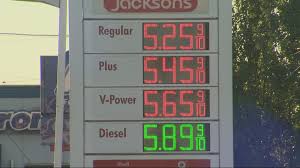
After months of financial pressure at the pump, gas prices are finally trending downward in Oregon and across the United States, offering timely relief to millions of drivers. For households already stretched by food, rent, and utility costs, even a modest drop in fuel prices can have a meaningful impact on weekly budgets — and the broader economy.
Gas Prices Ease in Oregon and Nationwide
Drivers in Oregon are beginning to notice something that felt impossible just weeks ago: lower numbers on gas station signs. The same trend is unfolding across the United States, as national averages slowly move downward after recent highs.
While prices remain higher than pre-pandemic levels, the downward movement signals short-term relief for commuters, delivery drivers, small businesses, and families who rely on cars daily.
What’s Causing Gas Prices to Fall?
Several key factors are working together to push prices lower:
1. Crude Oil Prices Have Softened
Global crude oil prices have eased due to:
-
Increased supply from major producers
-
Slower global economic growth
-
Reduced demand forecasts
Because oil accounts for more than half the cost of gasoline, even small dips can translate into cheaper fuel.
2. Seasonal Demand Is Cooling
Gasoline demand typically peaks during:
-
Summer travel season
-
Holiday road trips
As travel slows, refineries face less pressure, helping stabilize and reduce prices.
3. Refinery Operations Have Improved
Recent refinery maintenance issues that previously tightened supply have eased. Improved production levels mean more gasoline entering the market, reducing upward price pressure.
4. Regional Supply Dynamics Favor Oregon
Oregon has benefited from:
-
Improved West Coast fuel distribution
-
Reduced transportation bottlenecks
-
Stabilizing refinery output
While the West Coast traditionally pays more than the national average, Oregon is now seeing faster price relief than some neighboring states.
How Much Have Prices Dropped? (At-a-Glance Table)
⛽ Average Gas Price Trends
| Location | Recent High | Current Average | Change |
|---|---|---|---|
| Oregon (Statewide Avg.) | $4.90 | $4.55 | ↓ $0.35 |
| West Coast Avg. | $5.10 | $4.80 | ↓ $0.30 |
| U.S. National Avg. | $3.70 | $3.45 | ↓ $0.25 |
Prices vary by city and station, but the trend is clearly downward.
Why This Drop Matters More Than You Think
Lower gas prices don’t just help drivers — they ripple through the entire economy.
🚗 Household Budgets
-
$0.25–$0.35 per gallon savings can mean $15–$25 less per month for regular commuters
-
Savings add up quickly for families with multiple vehicles
📦 Lower Transportation Costs
Fuel prices influence:
-
Grocery delivery costs
-
Retail supply chains
-
Online shopping prices
Cheaper fuel helps slow price increases on everyday goods.
📉 Inflation Relief Signal
Gasoline is a highly visible inflation indicator. Falling prices:
-
Improve consumer confidence
-
Reduce inflation expectations
-
Ease pressure on policymakers
Why Oregon Drivers Feel the Impact Faster
Oregon gas prices are often higher due to:
-
Environmental fuel standards
-
West Coast supply constraints
-
Limited refinery capacity
So when prices fall, the psychological and financial impact is stronger. A 30-cent drop in Oregon feels more significant than in lower-cost states.
For rural Oregon drivers who travel longer distances, the savings can be even more meaningful.
Will Gas Prices Keep Falling?
Experts say continued declines are possible, but not guaranteed.
Factors That Could Push Prices Lower:
-
Stable or falling oil prices
-
No major refinery disruptions
-
Continued moderate fuel demand
Factors That Could Reverse the Trend:
-
Geopolitical tensions
-
Unexpected refinery outages
-
Sharp increases in global demand
In short: relief is real, but fragile.
How Long Will the Relief Last?
Historically, price dips like this can last:
-
Several weeks
-
Sometimes a few months
However, fuel markets react quickly to global events. Drivers are encouraged to take advantage of the current decline without assuming prices will stay low indefinitely.
Smart Tips for Oregon Drivers Right Now
✔️ Fill up when prices dip locally
✔️ Use gas price comparison apps
✔️ Avoid peak traffic hours when possible
✔️ Maintain tire pressure to improve mileage
Even small efficiency gains can amplify the benefit of lower prices.
How This Compares to Last Year
| Period | Avg. Oregon Gas Price |
|---|---|
| Same Time Last Year | $4.85 |
| Recent Peak | $4.90 |
| Current Trend | $4.55 |
While prices are still elevated year-over-year, the direction finally favors drivers.
The Bigger Picture: What Falling Gas Prices Signal
Gas prices often act as an early warning system for broader economic shifts. Declines can indicate:
-
Cooling inflation
-
Slower but steadier economic activity
-
Reduced cost pressure on consumers
For now, falling fuel prices offer breathing room, even if longer-term challenges remain.
Bottom Line
-
Gas prices are falling in Oregon and nationwide
-
Drivers are seeing real savings at the pump
-
The drop helps household budgets and inflation pressures
-
Relief may continue — but isn’t guaranteed
For millions of Americans, cheaper gas doesn’t just mean saving a few dollars — it means regaining a little financial stability in uncertain times.







Leave a Comment