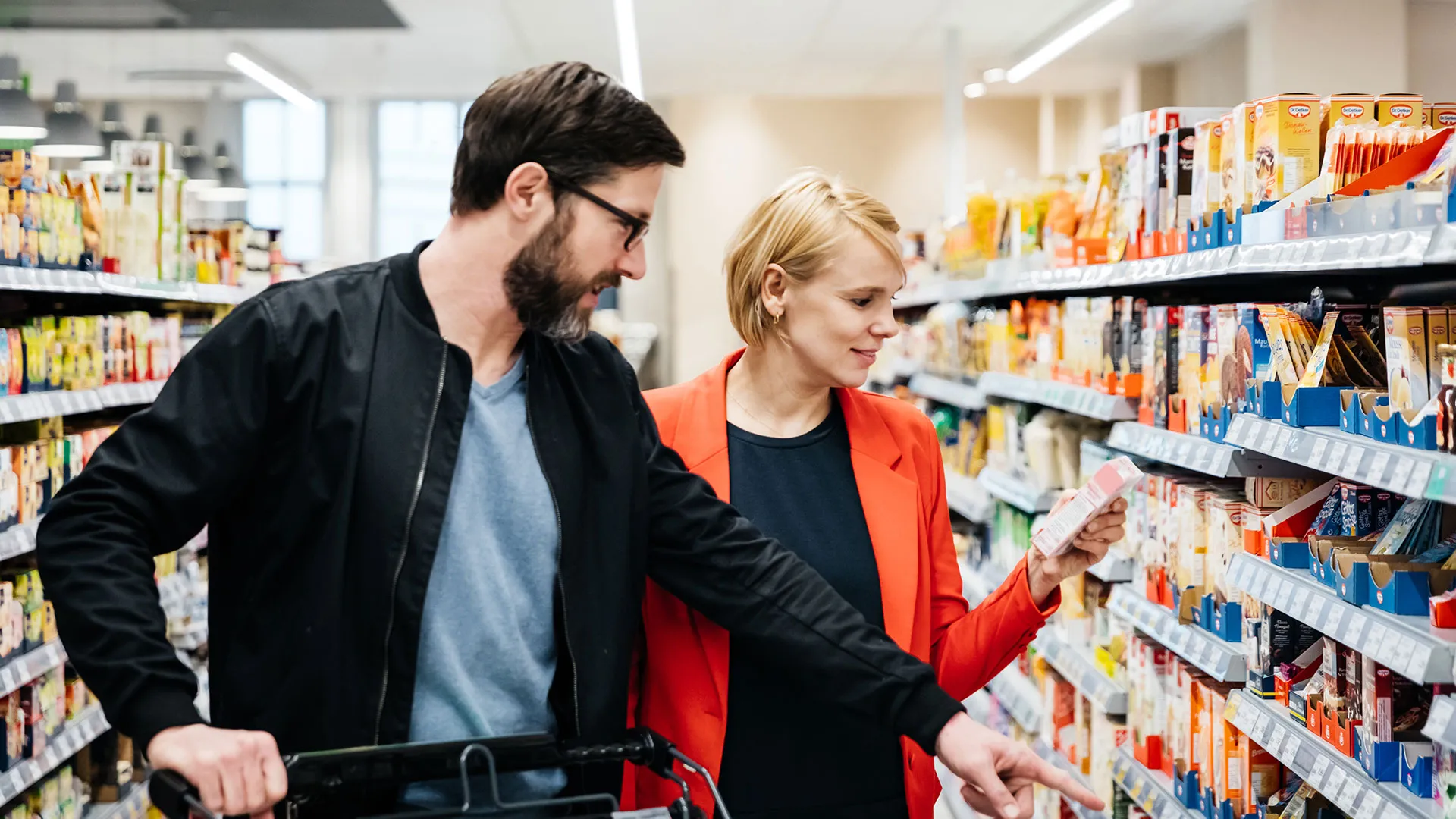
California — Shoppers across the state will soon notice a major change in grocery stores as California prepares to eliminate most “sell by” and “best before” labels under a new law set to take effect in 2026. State officials say the move is designed to reduce food waste, but many consumers worry the change could create confusion about food safety.
The law, approved as part of California’s broader environmental and waste-reduction strategy, will standardize how food freshness dates appear on packaging. Instead of multiple date labels that often mislead shoppers, most foods will now carry only two clear phrases focused on safety and quality.
What the New Law Changes
Under the new rules, food labels in California will be simplified to:
-
“Best if Used By” — indicating peak quality, not safety
-
“Use By” — reserved for foods where safety is a concern
Common labels like “sell by,” “expires on,” and “best before” will largely disappear from shelves.
State regulators say many consumers mistakenly throw away food that is still safe to eat, contributing to massive amounts of unnecessary waste each year.
Why California Is Making the Change
According to the California Department of Food and Agriculture, date-label confusion is one of the leading causes of household food waste. Officials estimate millions of tons of edible food are discarded annually, increasing landfill use and greenhouse gas emissions.
“This law is about clarity,” a state food policy official said. “People see ‘sell by’ and think it’s unsafe. In most cases, that’s simply not true.”
California already leads the nation in food recovery and composting programs, and lawmakers say this reform aligns with the state’s long-term climate and sustainability goals.
Mixed Reaction From Shoppers
While environmental groups are applauding the move, reactions among shoppers have been mixed.
Some parents and seniors worry the new labels could make it harder to judge when food is truly unsafe. Others say they welcome the change, calling the current labeling system confusing and inconsistent.
“I’ve thrown out food just because I didn’t want to risk it,” said a Sacramento shopper. “If this makes things clearer, that’s a good thing — but people need education.”
How Grocery Stores and Businesses Are Preparing
Retailers and food manufacturers will have until 2026 to update packaging and shelf systems. Industry groups say the transition will require coordination but could ultimately reduce returns, waste, and customer complaints.
Smaller grocers are asking the state for guidance on training employees and educating customers, especially during the early months of the rollout.
Food Safety Still a Priority
Health officials stress that the law does not encourage people to eat spoiled food. Visual inspection, smell, and proper storage remain critical. For high-risk items like dairy, meat, and prepared foods, “use by” dates will still be clearly marked.
The California Department of Public Health says it plans to launch public education campaigns ahead of the 2026 change to ensure consumers understand the new system.
Impact on Local Communities
Food banks and community kitchens say the new law could have a positive ripple effect. Many donated foods are currently rejected due to misunderstood date labels, even when perfectly safe.
By clarifying labeling rules, advocates believe more food could be redirected to families in need rather than ending up in landfills.
What Happens Next
Between now and 2026, state agencies will work with retailers, manufacturers, and local governments to finalize guidance and public messaging. Californians can expect to see signage in stores explaining the new labels as the transition begins.
A Big Change at the Grocery Store
As California moves away from “sell by” dates, the state is betting that clearer labels will mean less waste, lower costs, and better understanding for shoppers.
Whether the change ultimately simplifies shopping — or adds new confusion — will become clear once the new labels arrive on shelves.
Community Question
🛒 Do you think removing “sell by” dates will reduce food waste, or will it make grocery shopping more confusing? Share your thoughts below.










Leave a Comment