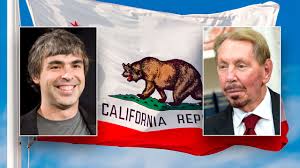
California — A proposed wealth tax aimed at the state’s richest residents is fueling intense debate after new estimates suggest California has seen nearly $1 trillion in lost wealth as high-net-worth individuals relocate or shift assets out of state.
Supporters of the proposal argue it would generate billions in revenue for housing, healthcare, and education. Critics warn the policy is already backfiring — accelerating an exodus of wealthy residents, shrinking the tax base, and putting long-term pressure on state finances.
What Is the California Wealth Tax Proposal?
The proposal would levy an annual tax on individuals with net worth above a certain threshold, targeting billionaires and ultra-high-net-worth households. Unlike income taxes, the wealth tax would apply to assets, including stocks, real estate, and private business holdings — even if those assets are not sold.
State lawmakers backing the measure say California’s extreme wealth concentration makes it the right place to try such a policy. Opponents counter that mobility among the ultra-wealthy makes enforcement difficult and encourages relocation.
Billionaires and Capital Leaving California
Financial analysts tracking migration and asset movement estimate that California has already lost close to $1 trillion in taxable wealth over recent years, a trend that accelerated as wealth tax discussions gained momentum.
Wealthy residents are reportedly moving to states with no state income tax, such as Texas, Florida, and Nevada, or restructuring finances to reduce exposure. Business leaders warn this shift could have ripple effects on employment, investment, and charitable giving within California.
“This isn’t just about billionaires,” said one economic analyst. “When capital leaves, so do business expansions, startup funding, and high-paying jobs.”
Key Numbers at a Glance
Below is a simplified snapshot of how supporters and critics frame the proposal:
| Category | Supporters’ View | Critics’ View |
|---|---|---|
| Target Group | Ultra-wealthy individuals | Mobile high-net-worth residents |
| Estimated Revenue | Billions annually for public services | Declining due to capital flight |
| Impact on Economy | Reduces inequality | Reduces investment & jobs |
| Wealth Migration | Minimal, manageable | Already nearing $1 trillion |
| Long-Term Effect | More equitable tax system | Shrinking tax base |
Impact on Local Communities
California communities are divided. Some residents argue that wealthy individuals benefited from the state’s infrastructure, workforce, and innovation ecosystem — and should pay more to support it.
Others worry that losing top taxpayers could worsen budget volatility, especially in cities already facing deficits. Local governments rely heavily on income and capital-gains taxes paid by a small number of high earners.
“When a few dozen people leave, it can mean billions gone from schools and services,” said a local budget watchdog.
Business and Tech Sector Concerns
The debate is especially intense in Silicon Valley and Southern California, where founders and investors say uncertainty around taxation affects long-term planning.
Some startups are now incorporating or expanding operations outside California, citing regulatory and tax concerns. Critics argue the wealth tax could weaken California’s reputation as the nation’s innovation capital.
Supporters Push Back
Backers of the proposal say fears are overstated and point to California’s continued economic strength. They argue the state can no longer rely on volatile capital-gains taxes and must explore new revenue models to fund public needs.
“Extreme wealth inequality hurts economic stability,” said one supporter. “This proposal asks the wealthiest to contribute more to the state that helped create their success.”
What Happens Next
The wealth tax proposal is still under review and faces legal, political, and logistical hurdles. Lawmakers are expected to debate thresholds, enforcement mechanisms, and exemptions before any final vote.
As the discussion continues, Californians are left weighing a central question: Can the state tax extreme wealth without driving it away?
Community Discussion
💬 Do you support a California wealth tax, or are you concerned it could push jobs and investment out of the state? Share your thoughts respectfully below.










Leave a Comment