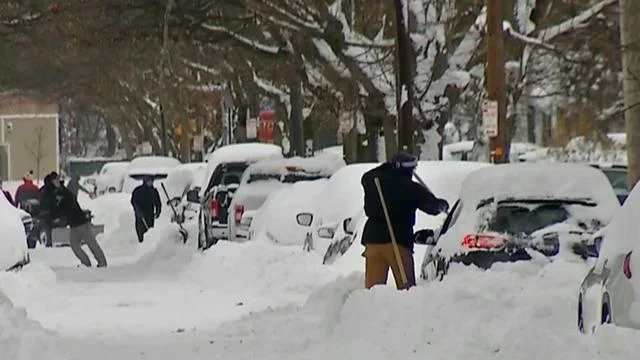
A powerful winter storm sweeping across the United States has been linked to at least 20 deaths, leaving millions facing extreme cold, power outages, and widespread travel disruption.
The storm brought heavy snowfall and plunging temperatures across large parts of the country, prompting officials to urge residents to stay home as conditions deteriorated.
Schools were closed, flights were canceled, and hundreds of thousands of homes lost power, though some areas have seen gradual improvement since the weekend.
Forecasters warn that freezing temperatures are expected to linger across much of the eastern United States, keeping safety concerns high even as snowfall begins to ease.
Deadly Winter Storm Spreads Across the U.S.
The large winter storm system moved across wide swaths of the United States over the past several days, bringing snow, ice, and dangerous cold.
At least 20 deaths have been linked to the storm’s impacts, according to officials. In several cases, authorities said it remains too early to determine the exact cause of death, though cold exposure and storm-related accidents are being investigated.
The storm affected both urban centers and rural communities, stretching emergency services and utility crews as conditions worsened.
Extreme Cold and Heavy Snowfall
Much of the storm’s danger has come not only from snowfall but from sustained freezing temperatures.
The National Weather Service warned that a “deep freeze” is expected to continue across many states, particularly in the eastern two-thirds of the country.
“Frigid temperatures will impact the eastern two-thirds of the U.S. this week, and numerous record lows are forecast,” the agency said.
In some areas, wind chills dropped temperatures well below zero, creating life-threatening conditions for anyone exposed for extended periods.
Timeline: How the Storm Unfolded
Early Impacts
The storm began moving across the central United States before pushing east, bringing snow and ice to multiple states.
As temperatures dropped, road conditions worsened quickly, leading to accidents and road closures.
Widespread Disruption Over the Weekend
By the weekend, millions of Americans were under winter weather alerts.
Airports canceled hundreds of flights as snow and ice made travel unsafe. Major highways were closed in some areas, while local officials urged residents to stay off the roads.
Ongoing Cold Into the Week
While snowfall has eased in many places, the cold has not.
Forecasters say freezing temperatures are expected to persist into the week, raising concerns about refreezing roads, power demand, and safety for vulnerable populations.
Power Outages Affect Hundreds of Thousands
Hundreds of thousands of customers were left without power as the storm damaged power lines and increased demand on electrical grids.
Utility companies worked to restore service, but repairs were slowed by icy conditions and continuing cold.
In several states, officials opened warming centers to help residents without heat.
Although outages have decreased since the weekend in many areas, some households remain without power as crews continue repair work.
Travel Disruption Across the Country
Air travel was heavily affected as airlines canceled flights due to weather conditions and staffing challenges caused by the storm.
Road travel was also severely disrupted. Snow-covered highways and icy streets led to numerous accidents and closures.
Officials urged drivers to avoid unnecessary travel, warning that even cleared roads could refreeze as temperatures drop overnight.
Kentucky Governor Issues Caution
Kentucky Governor Andy Beshear said the storm system had largely moved on from his state but warned residents not to let their guard down.
“We are not in the clear yet,” Beshear said, pointing to lingering cold temperatures and remaining hazards.
He urged residents to remain cautious, particularly as snowmelt and refreezing could create dangerous conditions.
Other States Brace for ‘Deep Freeze’
Several other states across the eastern United States are preparing for continued cold, even as snowfall tapers off.
The National Weather Service warned that temperatures could remain well below average, increasing the risk of hypothermia and frozen pipes.
Local governments advised residents to check heating systems, protect exposed plumbing, and look out for neighbors who may need assistance.
Public Reaction and Safety Concerns
Across affected areas, residents shared updates showing snow-covered neighborhoods, iced-over roads, and long lines at warming centers.
Schools remained closed in many districts, while some businesses delayed reopening as crews cleared snow and assessed safety conditions.
Emergency officials continued to stress the importance of limiting exposure to the cold, especially for elderly residents and those without reliable heating.
What Happens Next
Meteorologists say the storm’s snowfall will continue to ease and is expected to be mostly confined to far eastern Canada by Tuesday.
However, the cold air mass behind the storm is forecast to linger, keeping temperatures dangerously low across much of the eastern United States.
Officials say recovery efforts will continue, with a focus on restoring power, reopening transportation routes, and monitoring vulnerable populations.
KEY FACTS: U.S. Winter Storm at a Glance
| Event | Major U.S. Winter Storm |
|---|---|
| Location | Eastern and central United States |
| Date | Ongoing |
| Who Is Affected | Millions of residents, travelers, students |
| Current Status | Snow easing, extreme cold continues |
| What Readers Should Know | Power outages, travel disruption, dangerous cold |
FAQs: U.S. Winter Storm Explained
How many deaths are linked to the storm?
At least 20 deaths have been reported, though investigations are ongoing in some cases.
Which areas are most affected?
Large parts of the eastern and central United States have been impacted.
Are power outages still an issue?
Yes. While outages have decreased in many places, some households remain without power.
Is travel still disrupted?
Yes. Flights and road travel continue to be affected, especially where icy conditions remain.
How long will the cold last?
Forecasters say freezing temperatures could persist across much of the eastern U.S. this week.
Is snowfall expected to continue?
Snowfall is easing in most areas and shifting toward eastern Canada.
What should residents do?
Officials advise staying indoors when possible, checking heating systems, and monitoring local updates.
Closing: What to Watch Next
As the winter storm moves out, attention is turning to the lingering cold and recovery efforts across the country.
Residents are urged to remain cautious as freezing temperatures persist, even where snowfall has ended. Authorities continue to monitor conditions and provide updates as power restoration and travel recovery continue.





Leave a Comment