Lake-effect snow and bitter cold remain locked over Michigan, keeping hazardous winter conditions in place as January nears its end.
Forecasters say the cold pattern will persist through the rest of the month, with more lake-effect snow expected Tuesday along the Lake Michigan shoreline.
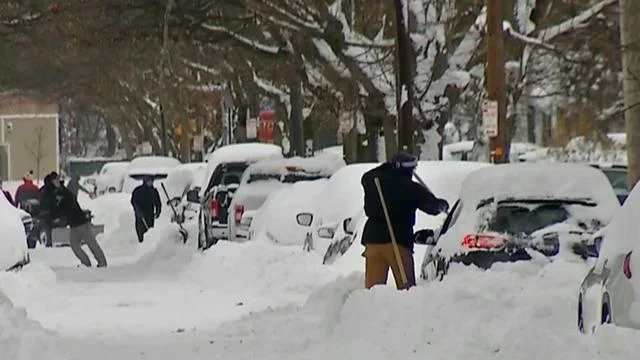
The latest round of snow is already creating a messy morning commute, particularly across West Michigan, where drivers are facing slick roads and reduced visibility.
Blustery winds are compounding the problem, raising the risk of snow squalls and rapidly changing road conditions.
Lake-Effect Snow Keeps Michigan in a Deep Freeze
Michigan remains under a stubborn winter weather pattern, with cold air flowing across the Great Lakes and fueling repeated rounds of lake-effect snow.
This setup has been especially active along the Lake Michigan shoreline, stretching from northern Lower Michigan down to the state’s southwest corner.
Meteorologists say the cold air mass responsible for the snow shows little sign of retreat, keeping temperatures well below seasonal averages.
Why the Cold and Snow Aren’t Letting Up
The ongoing pattern is driven by persistent northwest winds pulling cold air over the relatively warmer waters of Lake Michigan.
As the air picks up moisture from the lake, it forms narrow but intense snow bands that can dump snow quickly over localized areas.
Forecasters say this pattern is expected to hold through the end of January, prolonging travel and safety concerns across the state.
Timeline: How Today’s Weather Is Unfolding
Early Morning Conditions
Snow began increasing before the morning commute, with lake-effect bands developing along the Lake Michigan shoreline.
Roads became slick quickly, particularly in West Michigan, where snowfall rates increased just as drivers were heading out.
Midday Impacts
As snow continues through the day, gusty winds are expected to reduce visibility for hours at a time.
Blowing snow may cause conditions to deteriorate rapidly, even in areas that briefly see lighter snowfall.
Evening and Overnight
Snow showers are expected to continue into the evening, with some bands lingering overnight.
Temperatures will remain cold enough for untreated roads to refreeze, creating additional hazards.
Snow Squalls Raise Travel Risks
Forecasters warn that snow squalls are possible as stronger snow bands move through.
Snow squalls can bring sudden bursts of heavy snow, gusty winds, and near-whiteout conditions.
Drivers caught in these bands may experience rapidly changing visibility, making travel especially dangerous on highways.
Officials urge motorists to slow down and allow extra stopping distance.
West Michigan Commute Hit Hardest
West Michigan is seeing some of the most challenging conditions, with lake-effect snow targeting areas near the lakeshore.
Traffic reports indicate slow-moving vehicles and slippery conditions on major routes.
Local road crews have been working to treat roads, though blowing snow is making it difficult to keep surfaces clear.
Wind Adds to the Danger
Blustery winds accompanying the snow are worsening conditions across much of the state.
Strong gusts are blowing snow across roadways, reducing visibility and creating drifting in open areas.
Wind chills are also making the cold feel even more intense, increasing the risk of frostbite for anyone exposed for long periods.
Official Guidance and Safety Messaging
Weather officials continue to stress caution for anyone traveling during lake-effect snow events.
Drivers are advised to:
-
Leave extra time for travel
-
Reduce speed in snowy conditions
-
Keep headlights on during snowfall
-
Be alert for sudden drops in visibility
Residents are also encouraged to dress warmly and limit time outdoors when possible.
Public Reaction Across Michigan
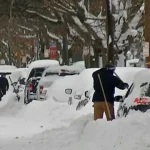
Residents across snowbelt areas shared updates showing snow-covered roads and reduced visibility during the commute.
Some school districts adjusted schedules, while employers encouraged remote work where possible.
Many residents expressed frustration with the prolonged winter pattern but acknowledged that conditions are typical for late January in Michigan.
How Long Will This Pattern Last?
Forecasters say the cold and snow are expected to continue through the end of January.
While snowfall intensity may fluctuate, the overall pattern remains favorable for additional lake-effect snow events.
Any significant warm-up appears unlikely in the near term, according to current forecasts.
What Happens Next
Snowfall is expected to continue intermittently along the Lake Michigan shoreline, with conditions changing quickly as snow bands shift.
Drivers should be prepared for sudden changes in road conditions, especially during snow squalls.
Officials say updates will continue as forecasts are refined and conditions evolve.
KEY FACTS: Michigan Lake-Effect Snow at a Glance
| Event | Lake-effect snow and bitter cold |
|---|---|
| Location | Michigan, especially Lake Michigan shoreline |
| Date | Ongoing |
| Who Is Affected | Commuters, travelers, residents |
| Current Status | Snow ongoing, low visibility at times |
| What Readers Should Know | Messy commute, snow squalls possible |
FAQs: Michigan Lake-Effect Snow Explained
What is lake-effect snow?
Lake-effect snow forms when cold air passes over warmer lake water, creating narrow bands of heavy snow.
Which areas are most affected?
Areas along the Lake Michigan shoreline, including West Michigan and parts of northern Lower Michigan.
Is the morning commute dangerous?
Yes. Snow-covered roads, blowing snow, and low visibility are making travel hazardous.
What are snow squalls?
Short-lived but intense bursts of heavy snow that can sharply reduce visibility.
How long will the cold last?
The cold pattern is expected to persist through the end of January.
Will roads refreeze overnight?
Yes. Cold temperatures may cause untreated roads to refreeze.
Should travel be avoided?
Drivers are urged to delay travel if possible and allow extra time if heading out.
Closing: What to Watch Next
Lake-effect snow and bitter cold continue to impact Michigan, with no immediate relief in sight.
Residents should monitor forecasts closely, prepare for changing road conditions, and use caution during travel as the winter pattern remains firmly in place.



Leave a Comment