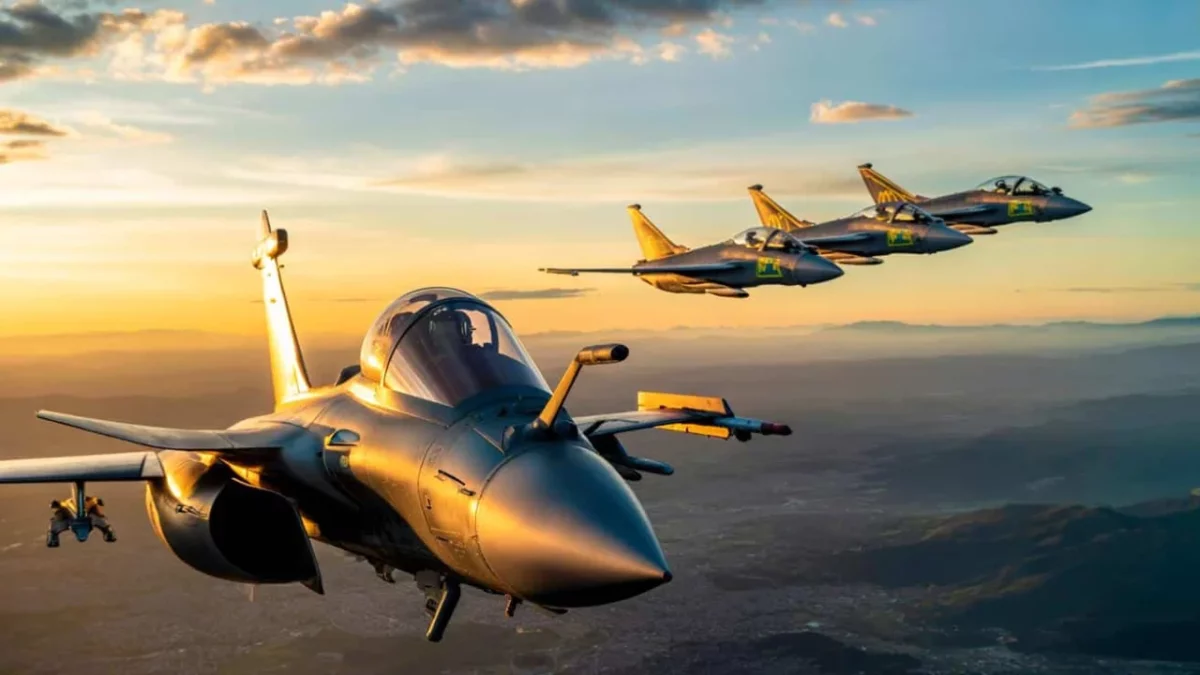
In the high-stakes world of international defense procurement, few things are as consequential—or as unexpected—as a multibillion-dollar contract evaporating overnight. France recently faced precisely this scenario when a significant buyer abruptly reversed course on a €3.2 billion agreement to purchase Rafale fighter jets, sending shockwaves through European defense circles and raising critical questions about the future of military equipment sales.
The Sudden Reversal That Caught Everyone Off Guard
Defense contracts of this magnitude typically represent years of negotiation, diplomatic groundwork, and strategic planning. They’re not decisions made lightly, nor are they easily reversed. Yet that’s exactly what happened when the purchasing nation executed a dramatic about-face, canceling its commitment to acquire the advanced French fighter aircraft. The timing proved particularly jarring—coming after what observers believed were finalized agreements and completed preliminary stages of the transaction.
This type of reversal in the defense sector doesn’t occur in a vacuum. Behind every contract cancellation lies a complex web of political considerations, budgetary constraints, strategic reassessments, and diplomatic pressures. For France, which has positioned the Rafale as one of Europe’s premier fighter platforms, the loss represents more than lost revenue—it signals potential vulnerability in maintaining its competitive edge in global defense markets.
Understanding the Stakes of Military Procurement
Fighter jet contracts represent among the most significant defense transactions in any nation’s budget. A €3.2 billion deal isn’t merely a commercial transaction; it’s a strategic investment that shapes a country’s military capabilities for decades. These agreements typically include provisions for training, maintenance, spare parts, and technology transfer—commitments that extend far beyond the initial purchase price.
The Rafale, developed by Dassault Aviation, has established itself as a capable multirole fighter aircraft, successfully deployed by multiple nations across different operational theaters. France has invested considerable resources in marketing and developing the platform, viewing it as a cornerstone of its defense export strategy. When a major buyer commits to purchasing these aircraft, it validates the platform’s worth and opens doors for additional sales internationally.
Conversely, when buyers withdraw, the implications ripple through the entire defense ecosystem. Suppliers, subcontractors, and manufacturers who invested in production capacity must reassess their strategies. Engineering teams face uncertain futures. And the purchasing nation that pulled back inevitably faces questions about its decision-making processes and strategic clarity.
The Political and Strategic Context Behind Contract Cancellation
Large-scale defense purchases never exist in isolation from political considerations. Nations evaluate their security needs against shifting geopolitical landscapes, budget realities, and diplomatic relationships. A buyer nation might withdraw from a fighter jet contract for numerous legitimate reasons: altered threat assessments, budget reallocations toward different priorities, changes in political leadership leading to strategic reorientations, or pressures from other influential nations.
Recent years have witnessed dramatic shifts in global military procurement patterns. Rising tensions in various regions, the emergence of new security challenges, and evolving alliances have forced many nations to reconsider their defense spending priorities. Some countries have redirected resources toward emerging threats or shifted focus to different military capabilities altogether. Others have faced domestic political changes that brought leaders with different strategic visions regarding defense procurement.
In this context, the Rafale cancellation likely reflects broader strategic recalculations rather than specific deficiencies in the aircraft itself. The buyer nation probably assessed its security environment and concluded that alternative approaches—whether investing in different platforms, seeking different international partnerships, or reallocating funds entirely—better served its national interests at this particular moment.
Consequences for France’s Defense Industry
France’s defense sector, a significant component of its economy and technological expertise, faces tangible repercussions from this contract loss. The cancellation impacts not only Dassault Aviation but also the extensive supplier network supporting Rafale production. Component manufacturers, specialized subcontractors, and logistical partners all factored this contract into their business planning.
Beyond immediate economic effects, the cancellation carries symbolic weight. France has positioned itself as a reliable partner in global defense markets, offering advanced technology coupled with political independence from other major powers. When major contracts collapse, it inevitably raises questions—however unfair—about the desirability or competitiveness of French defense offerings.
However, the Rafale program maintains robust support from multiple existing customers. The program isn’t threatened by a single cancellation, but France will nonetheless invest effort in understanding what prompted the reversal and how to prevent similar losses with other potential buyers. Diplomatic channels will activate to explore whether the decision can be reconsidered or whether opportunities exist to salvage elements of the arrangement.
Broader Implications for International Defense Markets
This episode illuminates important truths about contemporary defense procurement. Despite the extraordinary complexity and expense involved, military contracts remain subject to sudden geopolitical shifts. National security interests can change rapidly, and even advanced negotiations prove vulnerable to unexpected political developments or strategic reassessments.
For other defense manufacturers and exporting nations, the Rafale cancellation serves as a reminder of inherent risks in large-scale military sales. While companies invest heavily in marketing and lobbying efforts to secure contracts, the ultimate decision rests with sovereign governments making choices about their security needs. External factors—regime changes, budget crises, shifts in international relationships, or newly emerging threats—can overturn carefully constructed agreements.
Looking Ahead: Resilience and Adaptation
France and Dassault Aviation have experienced defense contract setbacks before and will undoubtedly pursue recovery strategies. These might include diplomatic engagement with the canceling nation to understand its concerns, accelerated marketing efforts with other prospective buyers, or technical improvements that enhance the Rafale’s competitive position.
The €3.2 billion loss stings, but it doesn’t fundamentally alter the aircraft’s capabilities or proven track record. The real test will be whether France can maintain market confidence in its defense offerings despite this unexpected reversal. Industry resilience, diplomatic effectiveness, and continued technological innovation will determine whether this setback represents a temporary disappointment or signals longer-term challenges for French defense exports.
For international observers, this episode reinforces that even in the most sophisticated and expensive sectors of international commerce, uncertainty remains a constant factor. Defense procurement strategies must account for volatility, and nations must build flexible approaches that accommodate changing circumstances. In the complex world of global defense markets, yesterday’s certainties often become today’s surprises.









Leave a Comment