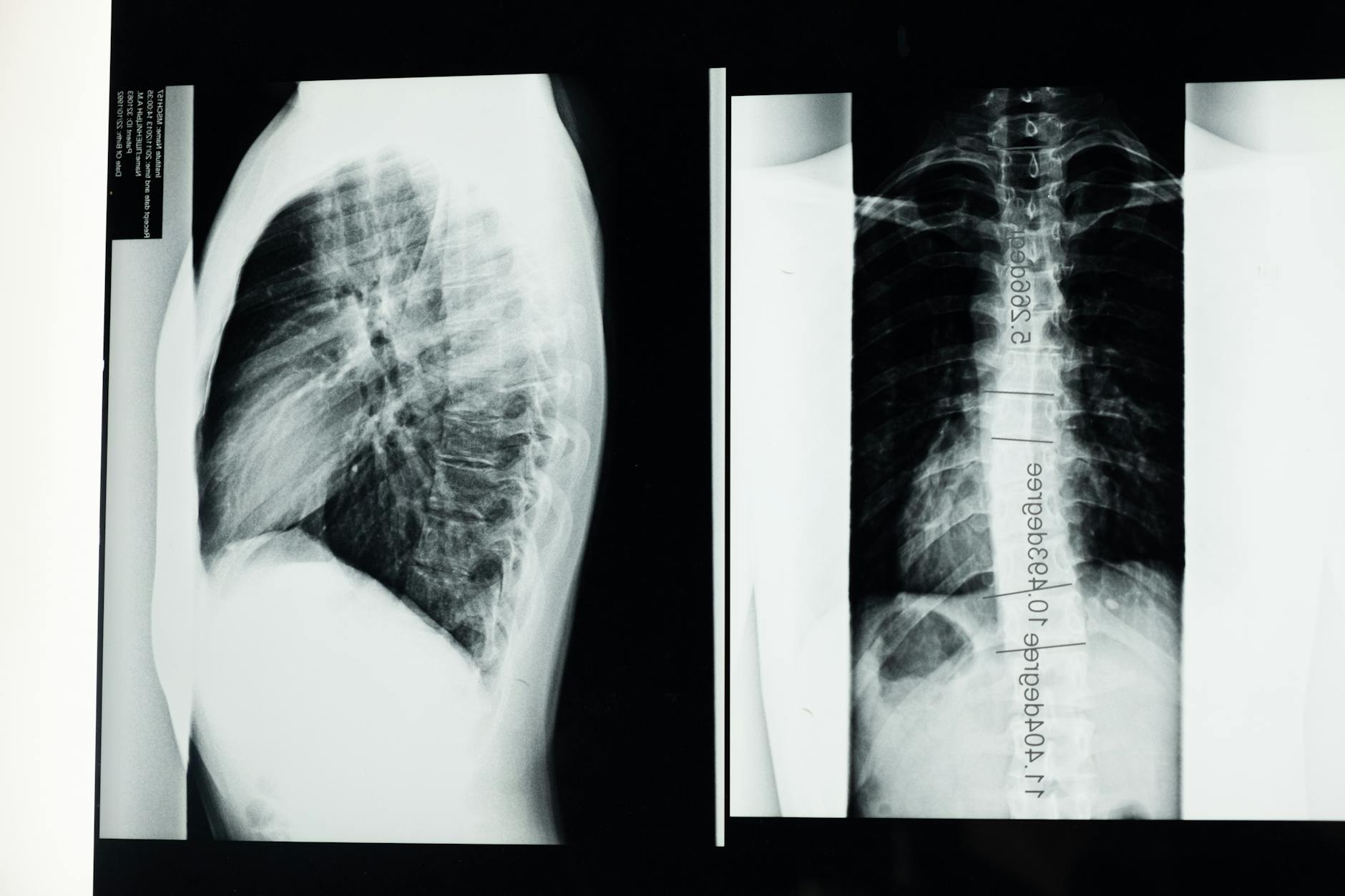
When facing spine surgery, choosing the right hospital and surgical team can make a significant difference in your outcomes and recovery experience. One way to evaluate spine care quality is by understanding industry designations and certifications that recognize excellence in spinal procedures. Recently, a Virginia hospital received a prestigious Blue Distinction designation for spine surgery, a recognition that serves as a valuable benchmark for patients everywhere, including those in Riverside, California, who are seeking high-quality spine care.
What Are Spine Surgery Quality Designations?
Spine surgery quality designations are formal certifications awarded to hospitals and surgical centers that demonstrate commitment to evidence-based practices, patient safety, and superior clinical outcomes. These designations aren’t handed out casually—they represent months of rigorous evaluation, data analysis, and verification of surgical protocols.
The Blue Distinction spine surgery designation specifically recognizes healthcare facilities that have met stringent criteria developed by Blue Cross Blue Shield, one of the nation’s largest health insurers. To earn this distinction, hospitals must demonstrate excellence through multiple measures including surgical volume, outcome statistics, infection rates, patient satisfaction scores, and adherence to clinical best practices.
These designations serve as third-party validation that a facility has invested in the infrastructure, training, and systems necessary to deliver exceptional spine care. They provide patients with measurable confidence that their chosen provider operates at a high performance level.
Why Spine Surgery Designations Matter to Patients
Spine conditions can be debilitating, affecting your mobility, work capacity, and quality of life. When conservative treatment fails, surgery becomes necessary, but not all spine surgery programs are created equal. Outcome variations can be significant depending on the surgeon’s experience, the hospital’s resources, and the overall quality of the surgical team.
Research consistently shows that higher-volume spine surgery centers achieve better patient outcomes, including lower complication rates, reduced infection rates, shorter hospital stays, and improved long-term recovery. When a hospital earns a quality designation, it signals to patients that these facilities have been independently evaluated and meet nationally recognized standards.
For Riverside patients, understanding these designations helps level the playing field when making healthcare decisions. Rather than relying solely on word-of-mouth or internet reviews, patients can reference established quality metrics that reflect actual clinical performance data.
Key Criteria Behind Quality Designations
Hospitals pursuing spine surgery designations must excel across several important dimensions. Clinical expertise is paramount—surgeons must demonstrate significant experience with complex spinal procedures and maintain continuing education credentials. The surgical team, including anesthesiologists, nurses, and support staff, must be specially trained in spine care protocols.
Patient safety protocols receive intense scrutiny. This includes standardized infection prevention measures, comprehensive preoperative assessments, and rigorous monitoring systems. Facilities must track surgical site infections, readmission rates, and other adverse events, comparing their performance against national benchmarks.
Quality designations also evaluate how hospitals manage patient care before and after surgery. Preoperative education programs, pain management strategies, physical therapy integration, and discharge planning all factor into the assessment. Hospitals must demonstrate that they’re supporting patients throughout their entire surgical journey, not just during the procedure itself.
Additionally, these programs require transparent communication about outcomes. Hospitals must collect and analyze data on patient satisfaction, functional improvement, pain reduction, and return-to-work metrics. This commitment to measurement and accountability is what distinguishes designated facilities from others.
How Riverside Patients Can Use This Information
If you’re facing spine surgery in the Riverside area, knowing about quality designations empowers you to ask better questions when consulting with providers. Start by asking whether your surgeon’s hospital holds any spine surgery designations or quality certifications. If they do, request information about their specific metrics and outcomes.
Don’t stop there, though. Ask about your surgeon’s individual credentials and experience with your specific condition. How many procedures similar to yours has your surgeon performed? What are their complication rates? How do they handle complex cases that require specialized expertise?
Request information about the hospital’s infection prevention protocols, pain management approach, and rehabilitation programs. Ask about patient satisfaction ratings and whether you can speak with previous patients or join a support group. These conversations help you gain a complete picture of the quality you can expect.
Beyond Designations: Additional Quality Indicators
While quality designations are valuable, they represent one component of comprehensive evaluation. Other important indicators include board certification of surgeons, hospital accreditation status, and participation in clinical quality networks.
Look for facilities that participate in spine surgery registries and outcome tracking systems. These programs require hospitals to submit their data for independent verification and benchmarking. This level of transparency indicates confidence in their outcomes.
Modern spine surgery centers should also offer minimally invasive techniques when appropriate, as these approaches often result in less tissue damage, reduced pain, and faster recovery. The availability of advanced imaging, intraoperative monitoring, and robotic-assisted surgery options can indicate a commitment to cutting-edge care.
Taking Action in Your Healthcare Journey
Armed with knowledge about spine surgery quality designations, Riverside patients can approach their care with greater confidence and informed decision-making. The existence of facilities earning prestigious designations in other regions demonstrates that high-quality spine care is achievable, and patients can work with local providers to ensure they’re receiving comparable standards.
Schedule consultations with multiple spine surgeons and spine centers. Come prepared with questions about credentials, experience, outcomes, and facility designations. Request written information about their quality metrics and don’t hesitate to ask for references from previous patients.
Remember that the best spine surgeon for you combines clinical excellence with excellent communication and a genuine commitment to understanding your specific needs and concerns. Quality designations provide an important baseline, but your personal comfort with your surgical team matters equally.
By understanding what designations like Blue Distinction represent, you empower yourself to make informed choices about your spine care. Your health is too important to leave to chance—take the time to select a provider and facility that have earned recognition for delivering exceptional surgical outcomes and patient-centered care.










Leave a Comment