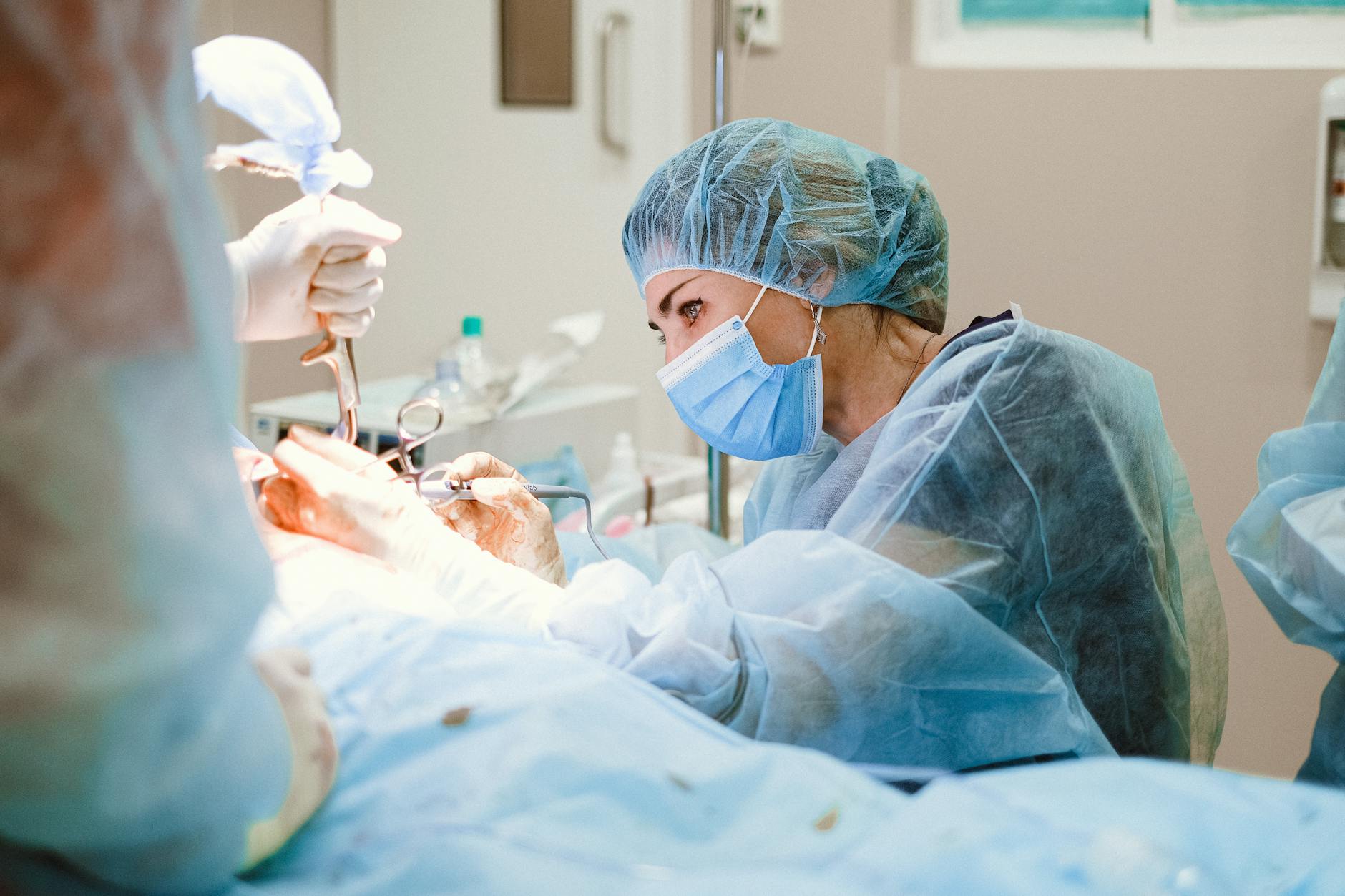
The medical landscape surrounding spinal surgery has undergone a remarkable transformation in the opening months of 2026. New York’s leading surgical centers have collectively completed 17 first-of-their-kind procedures that represent a significant leap forward in how spinal conditions are diagnosed, treated, and managed. These innovations extend far beyond traditional surgical techniques, incorporating artificial intelligence, augmented reality, and bespoke medical device manufacturing to deliver outcomes that were previously unimaginable.
The Evolution of Cervical Spine Treatment
Among the most exciting developments in early 2026 is the advancement of cervical disc replacement technology. Several New York surgical teams have successfully implemented next-generation cervical discs that more closely mimic natural spine biomechanics. Unlike previous iterations, these new devices incorporate materials that reduce inflammatory responses and improve long-term integration with surrounding bone structures.
Patients undergoing these procedures experience faster recovery times and report improved mobility within weeks rather than months. The success of these operations has prompted insurance companies to expand coverage, making this innovative treatment accessible to more patients across the state who suffer from cervical degenerative disc disease.
Personalized Implant Design Changes Everything
Perhaps the most transformative breakthrough involves the use of three-dimensional imaging combined with artificial intelligence to create completely personalized spinal implants. Rather than selecting from standardized sizes and shapes, surgeons can now order implants custom-manufactured to match each patient’s unique spinal anatomy with precision measurements down to millimeters.
This personalization approach addresses a longstanding challenge in spinal surgery: the variation in human anatomy. What works perfectly for one patient may create complications for another. By engineering implants specifically designed for individual patients, surgeons have dramatically reduced revision surgery rates and improved overall surgical outcomes. New York facilities equipped with in-house 3D printing capabilities have become destinations for patients seeking this customized approach.
Augmented Reality Transforms the Operating Room
The integration of augmented reality technology into spinal surgery represents a paradigm shift in surgical precision. During these groundbreaking procedures, surgeons wear specialized headsets that overlay detailed anatomical information directly onto their field of vision. This real-time visualization allows for unprecedented accuracy when placing implants and removing diseased tissue.
The technology essentially gives surgeons “x-ray vision,” enabling them to see underlying structures without constantly looking away at monitors or imaging screens. This continuous visualization reduces operative time, minimizes complications, and allows surgeons to adapt their approach in real-time based on patient-specific anatomy they’re viewing through the AR interface.
Minimally Invasive Techniques Reach New Heights
Building on previous advances in minimally invasive spinal surgery, Q1 2026 saw the successful execution of several procedures through incisions smaller than one centimeter. These micro-invasive techniques preserve more surrounding muscle and tissue, translating to reduced pain, faster healing, and shorter hospital stays.
Patients receiving these treatments often go home the same day or within 24 hours, compared to traditional surgeries requiring multi-day hospitalizations. For working New Yorkers, this reduced downtime has been particularly valuable, allowing faster returns to professional responsibilities and daily activities.
Robotic-Assisted Precision Reaches the Lumbar Spine
Advanced robotic systems have been refined specifically for lumbar spine procedures, offering surgeons robotic-assisted guidance during delicate operations. Unlike fully autonomous surgical robots, these systems work collaboratively with surgeons, providing steady hands and enhanced precision while the surgical team maintains complete control of the operation.
The robotic assistance proves particularly valuable during complex procedures involving multiple spinal levels or cases where normal anatomical landmarks are obscured by previous surgeries or abnormal bone growth. Surgeons report greater confidence in their implant placement and reduced physical strain during longer, more complex procedures.
Regenerative Medicine Integration
Several of the 17 pioneering procedures incorporated regenerative medicine approaches alongside traditional surgical techniques. Surgeons combined spinal surgery with platelet-rich plasma treatments and stem cell therapies designed to promote healing of surrounding tissues and accelerate recovery.
These biological interventions work synergistically with surgical reconstruction, essentially giving patients’ bodies enhanced resources for self-healing. Early follow-up data suggests these combined approaches may reduce chronic pain and improve long-term functional outcomes compared to surgery alone.
Real-Time Navigation Systems
Navigation technology has evolved to provide surgeons with real-time feedback about their instruments’ positions relative to critical anatomical structures. These systems track surgical instruments with precision measured in millimeters, alerting surgeons immediately if they approach sensitive nerve structures or deviate from the planned surgical trajectory.
This technological safeguard has been particularly valuable in revision surgeries where normal anatomy is altered by previous operations, and in cases involving complex spinal deformities where standard reference points aren’t available.
What This Means for New York Patients
For individuals suffering from various spinal conditions, these innovations represent genuine hope for improved outcomes and reduced suffering. The combination of personalized medicine, advanced visualization, and minimally invasive techniques creates a powerful toolkit for addressing spine problems.
Patients considering spinal surgery should discuss whether they’re candidates for any of these innovative approaches. Many of these procedures are now covered by insurance, though coverage policies continue to evolve as evidence supporting their benefits accumulates.
Looking Forward
The 17 breakthrough procedures completed in Q1 2026 represent just the beginning of a transformative period in spinal medicine. As these techniques become refined and more widely available, they’ll likely become standard of care rather than exceptional alternatives. New York patients now have access to some of the most advanced spinal surgery options available anywhere in the world, offering renewed possibilities for those seeking relief from debilitating spine conditions.











Leave a Comment