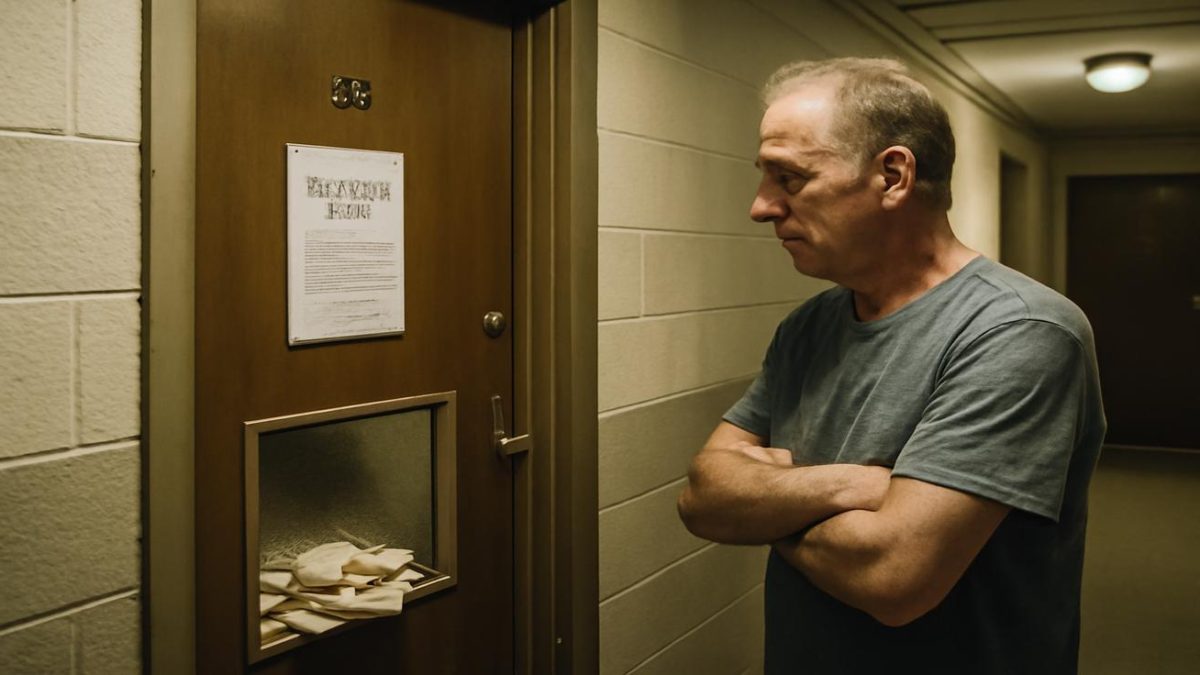
The rhythmic silence of an empty flat tells a story that many council estate communities know all too well. Behind closed doors and drawn curtains, properties meant to provide shelter for those in urgent need remain dormant, while their tenants live elsewhere. This scenario, increasingly common in social housing schemes nationwide, highlights a significant tension between tenant rights and public resource management that deserves serious examination.
Understanding the Landscape of Social Housing Challenges
Social housing represents one of the most critical safety nets in modern society. Designed to provide affordable accommodation for vulnerable populations—the elderly, low-income families, and those facing housing insecurity—these properties are funded by taxpayers and allocated through rigorous need-based systems. Yet emerging evidence suggests that not all tenants utilize these homes according to their intended purpose.
The situation becomes particularly acute when properties remain unoccupied for extended periods. Neighbors notice the telltale signs: unopened mail accumulating in hallways, windows perpetually dark, no signs of regular habitation. In some cases, these patterns persist for years, creating frustration within communities and raising legitimate questions about fairness and resource allocation.
The Story Behind the Statistics
Consider the narrative of a retired professional who, having secured social housing through legitimate channels, subsequently establishes residence elsewhere. Perhaps a relationship change prompted a move to a partner’s home. Maybe family circumstances required relocation to another region. Whatever the reason, the original property—assigned to them through official processes—remains essentially abandoned.
From the tenant’s perspective, the situation may seem straightforward. They retain their tenancy, maintain nominal occupancy, and preserve rights to their assigned property. From the council’s viewpoint, however, an entirely different picture emerges. A resource that could house someone genuinely requiring shelter sits empty. Other applicants remain on waiting lists, sometimes for years, while this property generates no benefit for the community it serves.
The Legal Complexity of Eviction Cases
Removing a tenant from social housing is anything but simple. Legal protections exist for good reasons, safeguarding individuals from arbitrary displacement. Tenancy laws create substantial procedural requirements that councils must follow meticulously. A single procedural misstep can invalidate an eviction attempt, returning the case to square one.
Typically, councils must first establish grounds for eviction. The presence of a tenant, however intermittent, complicates this process. Has the tenant technically breached their tenancy agreement? Courts examine whether the property genuinely constitutes their home in legal terms. Nuanced interpretations of “use as main residence” and “occupation” vary across jurisdictions and precedent cases.
Tenants facing eviction often mount vigorous defenses, sometimes successfully. Legal aid assistance helps some individuals navigate complex housing law. When tenants contest proceedings, councils must present compelling evidence of policy breaches and sustained non-occupation. The burden of proof sits with authorities seeking removal, not with the tenant defending their position.
The Broader Impact on Communities
Beyond legal technicalities lies a community-level crisis. Neighbors observe inequities that understandably generate resentment. Housing waiting lists in many regions stretch across years. Families with children live in temporary accommodation or overcrowded conditions. Individuals experiencing homelessness cycle through emergency services. Meanwhile, an allocated property sits dark and silent, available to no one.
This disparity raises ethical questions that transcend legal boundaries. Social housing operates on a scarcity principle. When demand vastly exceeds supply—as occurs in most urban centers—every vacant property represents a lost opportunity to provide genuine assistance to someone in crisis.
Current Policy and Reform Discussions
Housing authorities have begun implementing stricter monitoring systems. Regular inspections, occupancy verification processes, and clearer contractual language about residential requirements represent emerging approaches. Some councils now require tenants to demonstrate actual occupation through utility consumption patterns, mail delivery, or council tax documentation.
Legislative discussions increasingly address these gaps. Policymakers propose strengthening councils’ ability to identify and address prolonged vacancy situations. Simultaneously, tenant advocates argue for protections ensuring that circumstances allowing temporary absence don’t result in arbitrary eviction.
Navigating the Middle Ground
Finding solutions requires balancing competing legitimate interests. Tenants deserve legal protections and reasonable flexibility for life changes. Communities deserve assurance that limited resources benefit those facing genuine hardship. Councils require sufficient authority to manage assets responsibly.
Progressive approaches might include clear occupancy standards defined at tenancy commencement, reasonable grace periods for changes in circumstance, and opportunities for tenants to formally surrender properties when situations change. Transparent communication between councils and tenants can often resolve issues before they escalate to eviction proceedings.
Learning from Legal Precedent
Recent court cases examining these situations have established important principles. Judges increasingly recognize that sustained non-occupation, particularly when alternative permanent residence is maintained elsewhere, constitutes grounds for eviction consideration. However, courts also maintain that councils must follow proper procedures and demonstrate genuine breach of tenancy terms.
These precedents help clarify expectations, though they also reveal how context-dependent each case becomes. The retired teacher’s circumstances differ from a young professional’s situation, which differs again from family circumstances involving children.
Looking Forward: Systemic Solutions
Addressing this issue comprehensively requires systemic change. Better initial assessment processes could identify individuals whose housing needs have fundamentally changed. Flexible tenancy arrangements for certain populations might permit temporary arrangements during life transitions. Enhanced digital systems could track occupancy patterns without invading privacy excessively.
Investment in overall housing stock would ultimately provide the most sustainable solution. When supply approaches demand, individual cases become less contentious. Until that broader transformation occurs, however, communities will continue encountering the difficult situations where scarce resources and legal protections collide.
Conclusion: Beyond the Headlines
Cases of apparent social housing misuse highlight tensions within housing systems that require thoughtful, nuanced responses. While legal processes must protect tenant rights, fairness to waiting communities cannot be ignored. The path forward demands better policies, clearer communication, and recognition that most situations involve genuinely complicated circumstances rather than deliberate wrongdoing.
As housing challenges intensify across the country, these debates will only become more prominent. Society must develop systems that balance protection with responsibility, ensuring social housing truly serves those most in need while maintaining the dignity and rights of current tenants.











Leave a Comment