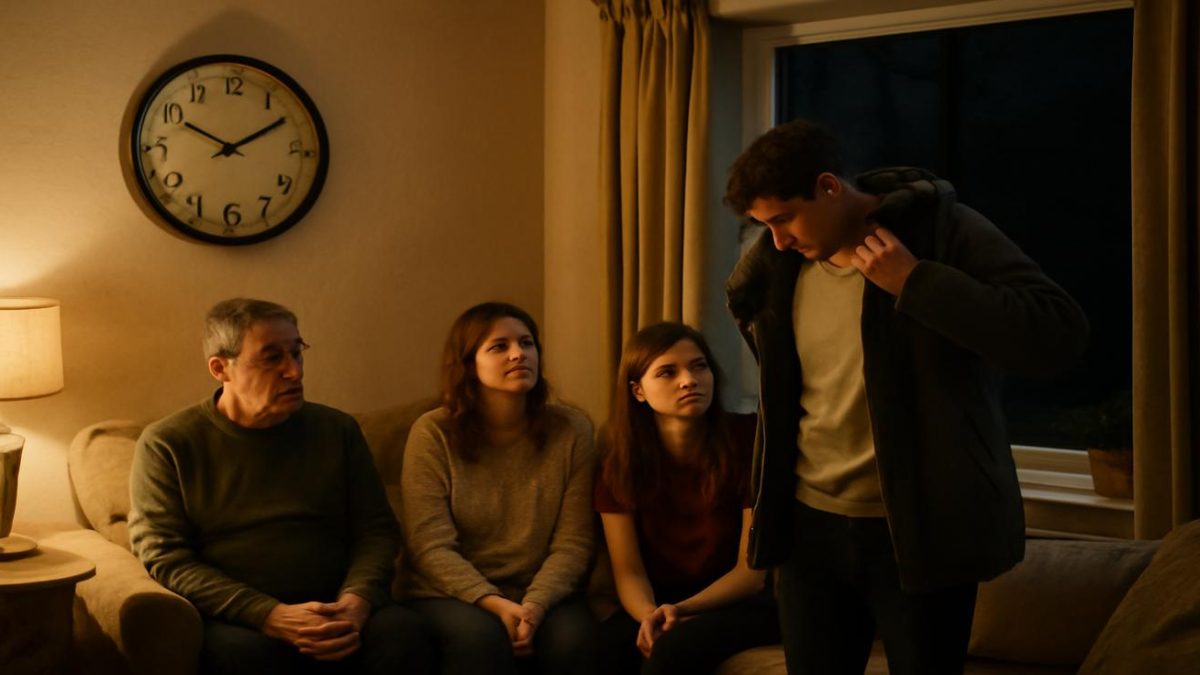
As 2026 approaches, British households face an intriguing disruption to the temporal rhythms that have governed daily life for decades. The clock change mechanism, a fixture of UK tradition since 1916, is poised for an adjustment that will see sunsets arrive noticeably earlier than we’ve grown accustomed to. This shift promises to reshape evening routines, influence productivity patterns, and spark conversations about our relationship with natural daylight across the nation.
Understanding the 2026 Clock Change
The adjustment coming in 2026 represents more than a simple procedural tweak to our timekeeping systems. When the clocks shift earlier than the traditional schedule, it creates a cascade of adjustments that ripple through society. The precise timing of this change means that darkness will descend upon our communities with new urgency, transforming how we navigate our evening hours.
This isn’t the first time the UK has contemplated altering its clock-change schedule. Previous proposals to shift or abolish the practice have generated considerable debate among policymakers, health professionals, and the general public. The 2026 adjustment represents a tangible manifestation of these ongoing discussions, finally becoming reality rather than theoretical speculation.
The Impact on Evening Commutes and Work Patterns
One of the most immediate consequences of earlier sunsets will be felt during the evening commute. Workers departing offices at their customary times will find themselves navigating home in increasing darkness. This shift carries implications for traffic safety, as reduced visibility during peak commuting hours could influence accident rates and driving behaviour.
The psychological dimension of commuting in darkness shouldn’t be underestimated. Many professionals who currently enjoy twilight journeys home will instead face full darkness. This transformation could influence workplace culture, with potential pressure for flexible working arrangements or staggered hours to preserve some daylight during travel periods.
Employers may also need to reconsider outdoor work schedules, security protocols, and facility lighting arrangements. Construction sites, delivery services, and maintenance crews will all require updated operational frameworks to accommodate the new darkness timeline.
Family Life and Evening Activities Reimagined
Households with children will experience particularly noticeable changes. The earlier darkness means that outdoor play sessions, sports practice, and recreational activities must be scheduled earlier in the afternoon. Parents accustomed to children playing outside until early evening will need to adjust their supervision routines and activity planning.
Family dinner times may undergo subtle shifts as well. The traditional evening rhythm, where families gather as darkness falls, could occur earlier in the calendar year, potentially affecting meal planning and social schedules. Schools may need to adjust pick-up schedules or after-school programme timings to account for reduced visibility.
Psychological and Health Considerations
The relationship between daylight exposure and mental wellbeing is well-documented by researchers. Earlier sunsets inevitably mean reduced natural light exposure during the working day, potentially affecting mood, productivity, and seasonal affective responses. While the effect may be subtle initially, the cumulative impact across the population could be significant.
Sleep patterns represent another crucial area of concern. Circadian rhythms, the internal biological clocks that regulate sleep-wake cycles, respond to daylight exposure. The earlier arrival of darkness could theoretically promote earlier sleep onset, though individual responses will vary considerably based on genetic factors and personal habits.
Healthcare professionals have begun examining potential consequences for vulnerable populations, particularly elderly citizens and those with existing mood disorders. The NHS and mental health organisations are monitoring discussions around the 2026 adjustment with interest, preparing guidance for practitioners.
Social and Cultural Implications
British culture has long celebrated summer evenings – the extended daylight that allows outdoor socialising, garden gatherings, and evening strolls. Earlier sunsets compress this cherished period, condensing the season of outdoor social activity into narrower windows. Pub gardens, outdoor restaurants, and community events will need to adapt their operating hours or lighting infrastructure.
The change also intersects with broader conversations about energy consumption and sustainability. Earlier darkness might increase artificial lighting usage, with implications for electricity demand and carbon footprints. Conversely, some argue that earlier darkness encourages earlier sleep, potentially reducing late-night energy consumption across residential properties.
Preparing for the Transition
Organisations and households can prepare for the 2026 adjustment through several practical measures. Workplaces might invest in enhanced security lighting around car parks and pedestrian routes. Families can begin gradually shifting activity schedules earlier in the year, allowing natural adjustment rather than abrupt disruption.
Light therapy devices, already popular among those affected by seasonal changes, may see increased demand. Additionally, autumn-themed events and activities might shift their scheduling to accommodate the new darkness timeline.
Looking Beyond 2026
This adjustment in 2026 opens broader conversations about whether our current clock-change system remains optimal for modern society. Some countries have abandoned the practice entirely, while others maintain it with slight variations. The UK’s experience with earlier clock changes could inform future policy decisions about whether the system continues in its current form.
Technology companies are already exploring solutions, from automated lighting systems that respond to natural darkness patterns to applications that help individuals adjust sleep schedules proactively. These innovations suggest that while 2026 will bring change, human adaptability and technological assistance will help smooth the transition.
Conclusion: Embracing the Change
The earlier clock change in 2026 represents neither catastrophe nor trivial adjustment – it’s a meaningful shift that will require consciousness and adaptation across UK society. While earlier sunsets will undoubtedly disrupt established routines, British resilience and flexibility have weathered similar changes historically.
By understanding the implications, preparing thoughtfully, and remaining adaptable, households and organisations can navigate this transition effectively. The 2026 clock change serves as a reminder of how our relationship with daylight shapes modern life, inviting reflection on how we structure our days and value the precious hours of natural light available to us throughout the year.










Leave a Comment