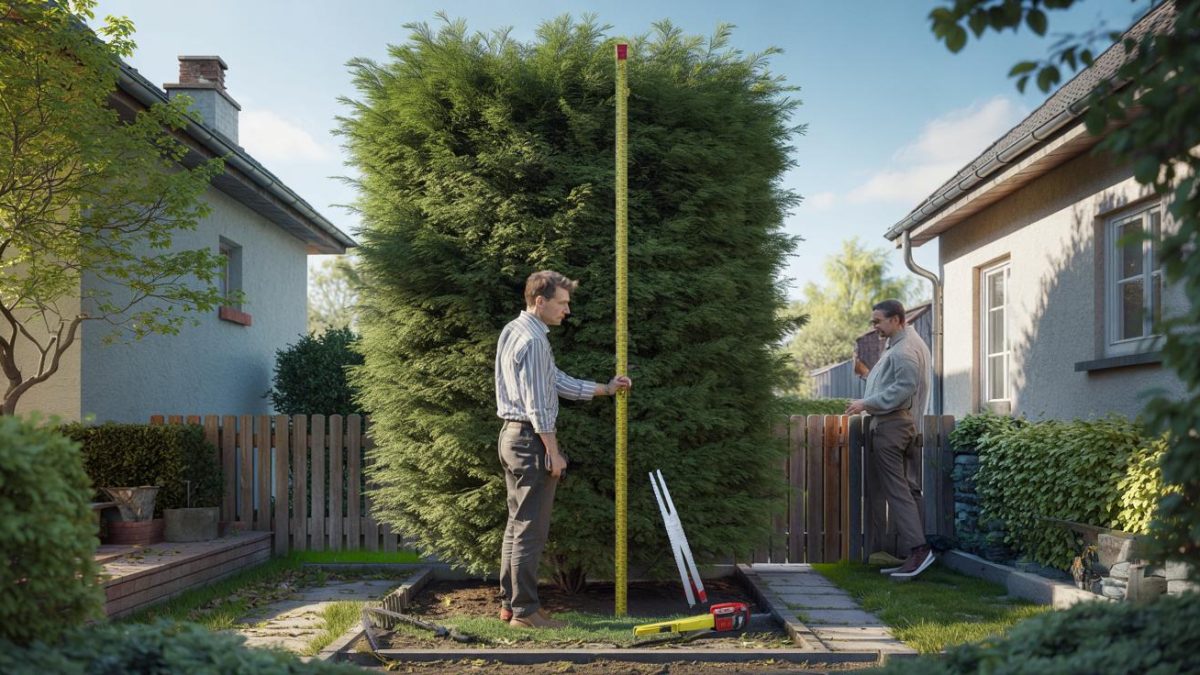
Your garden hedge represents more than just greenery—it’s a symbol of privacy, aesthetic appeal, and boundary definition. However, if you’re among the millions of homeowners with mature hedges, new legislation arriving March 15 could transform your relationship with this beloved feature. Failing to comply with upcoming height and proximity regulations could result in significant penalties, making it essential to understand what’s changing and how it affects your property.
Understanding the New Hedge Regulations
Starting March 15, a new set of regulations comes into effect that significantly impacts how homeowners can maintain hedges near property boundaries. The core requirement is straightforward: any hedge exceeding two meters (approximately 6.5 feet) in height and positioned less than 50 centimeters (roughly 20 inches) from a neighboring property must be trimmed or removed. This legislation aims to balance privacy concerns with practical neighbor relations and property rights.
The regulations aren’t designed arbitrarily. They reflect growing tensions in residential areas where tall, dense hedges have occasionally become sources of disputes. Some neighbors complain about excessive shade, reduced natural light, or the hedge’s use as a screen for unwanted activities. Others worry about safety concerns when hedges obstruct sightlines at property corners or driveways. These new rules attempt to create a standardized approach across jurisdictions.
What makes this regulation particularly important is its application scope. It applies regardless of whether your hedge has been established for decades or planted recently. Grandfathered status doesn’t apply—existing hedges that exceed the parameters must be brought into compliance within the specified timeframe.
The 50-Centimeter Proximity Rule Explained
The 50-centimeter distance requirement deserves particular attention because it determines whether your hedge falls under these regulations. This measurement should be taken from the nearest point of your hedge to your neighbor’s property line, not to their home or fence. It’s a relatively strict proximity threshold, meaning even hedges planted in what you considered your own property space might require adjustment.
To determine if your hedge complies, you’ll need to measure carefully from the property boundary. If you’re uncertain where your property line exists, reviewing your property deed or hiring a surveyor can provide clarity. This investment in verification now could save considerable expense and legal complications later.
The proximity rule exists because nearby tall hedges can legitimately affect neighboring properties. They cast shadows, potentially block views, harbor pests, or shed debris across boundaries. By establishing a clear proximity threshold, regulators aim to prevent hedges from becoming nuisances while still allowing reasonable privacy screening.
Penalty Structures and Compliance Costs
Understanding the financial consequences of non-compliance should motivate immediate action. Penalties for violating these new regulations vary by jurisdiction but generally include substantial fines. First-time violations might result in penalties ranging from several hundred to several thousand dollars, depending on local regulations. Repeated violations or failure to comply after formal notice can incur even steeper fines.
Beyond direct financial penalties, non-compliance can trigger escalating enforcement actions. Local authorities may issue compliance orders, giving you a specified timeframe to trim or remove the hedge. Failure to meet these deadlines can result in additional fines or even the local authority arranging the work themselves and billing you for their service—typically at rates considerably higher than hiring a private landscaper.
From a practical standpoint, the cost of proactive trimming now is significantly lower than dealing with penalties later. Professional hedge trimming for substantial heights might cost several hundred dollars, a fraction of potential fines. This simple cost-benefit analysis suggests that immediate compliance is financially prudent.
Preparation Steps Before March 15
The timeframe between now and March 15 is your compliance window. Don’t wait until the deadline—act strategically to avoid last-minute stress and higher costs from emergency services. Your first step should be measuring your hedge’s height and distance from your property line. Do this yourself initially, but consider professional verification if you’re uncertain.
Next, research specific regulations in your area. While the general framework is standardized, local regulations may include additional requirements or exceptions. Some jurisdictions might allow specific hedge species to exceed height limits or provide exemptions for heritage plantings. Understanding these nuances could work in your favor.
If your hedge requires trimming, obtain quotes from licensed landscapers now. Early booking ensures better availability and potentially better pricing before March 15 creates a rush of compliance work. Describe your hedge’s current condition and desired outcome—whether you want it reduced to the 2-meter limit or maintained at a lower compliant height.
Communication With Neighbors
Approaching this situation diplomatically with neighbors can prevent unnecessary conflict. Many neighbors are unaware of the regulations and might appreciate advance notice that your hedge modifications are coming. This proactive communication might even prevent them from filing complaints that could accelerate enforcement action.
If neighbors have expressed concerns about your hedge previously, this regulation provides a neutral framework for addressing them. Rather than it being a personal dispute, you can frame the trimming as compliance with external requirements. This approach often reduces tension and sometimes even generates goodwill.
Alternatives to Complete Removal
You don’t necessarily need to remove your hedge entirely. Trimming to the two-meter limit while maintaining width can preserve most of the screening benefits while achieving compliance. Some homeowners choose to install privacy fencing instead, which provides similar benefits without ongoing height management concerns. Others select shorter hedge species that offer aesthetic appeal while naturally staying within regulatory limits.
If your hedge is particularly valuable or heritage-worthy, consult with a landscape architect about compliant alternatives that preserve its essence. Creative solutions exist that balance privacy, aesthetics, and regulatory compliance.
Moving Forward Confidently
These new regulations might initially seem like unwelcome restrictions, but they represent an attempt to create fairness in residential communities. By taking action before March 15, you position yourself as a proactive, responsible property owner rather than facing reactive penalties. Whether you trim, replace, or redesign your landscape, the key is acting promptly with full understanding of the requirements. Your future self—and your wallet—will appreciate the effort invested now.











Leave a Comment