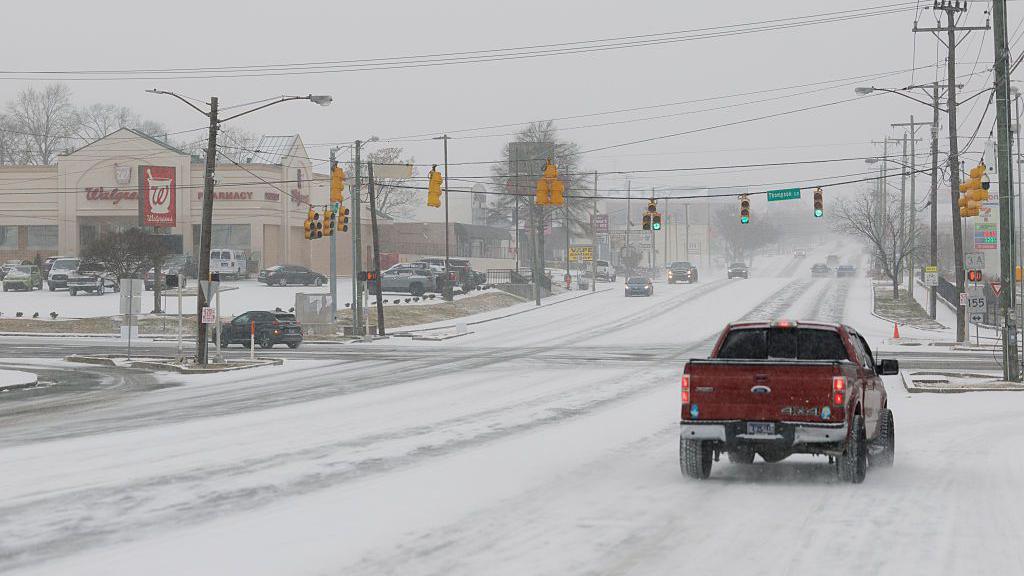
Nearly 22 states and Washington, D.C. have declared states of emergency or preparedness due to dangerously cold temperatures, heavy ice accumulations, snowfall, and coastal hazards threatening millions of residents.
Extreme wind chills, significant snowfall, and widespread icing have created life-threatening conditions across the Deep South and the Northeast, leading to major travel disruptions and widespread power outages.
States Declaring Active Emergencies
Governors from multiple regions have issued emergency orders to mobilize resources and warned residents against driving unless absolutely necessary.
Deep South: Alabama, Arkansas, Georgia, Louisiana, Mississippi, Texas
Central & Plains Area: Kansas, Kentucky, Missouri, Oklahoma
East Coast and Mid-Atlantic Region: Delaware, Maryland, New York, North Carolina, New Jersey, South Carolina, Tennessee, Virginia, West Virginia
District of Columbia: Washington, D.C.
As conditions worsen, emergency management teams are coordinating warming shelters, road treatment operations, and utility restoration efforts.
Widespread Weather Warnings
The National Weather Service has issued several high-level warnings across multiple regions in response to the storm system’s dangers.
| Warning Type | Impacted Regions/States | Primary Hazards |
|---|---|---|
| Extreme Cold / Wind Chill | Northeast to Florida, Texas, Alabama | Wind chills as low as -55°F; frostbite risk within minutes |
| Winter Storm Warning | Carolinas, Virginia, Tennessee, Maryland, West Virginia | Snowfall up to 18 inches; hazardous travel |
| Ice Storm Warning | Louisiana to North Carolina | ¼ inch or more ice; falling trees; power outages |
| Gale & Coastal Flood | Florida to Virginia Coast | High winds; tidal flooding risk |
| Heavy Freezing Spray | Mid-Atlantic coast to Maine | Hazardous maritime conditions |
Meteorologists warn that ice accumulation is particularly dangerous in southern states due to limited infrastructure for snow and ice removal.
Reported Impacts From Power Outages
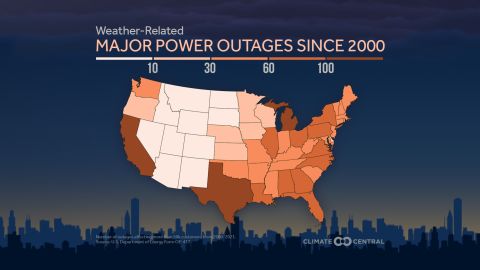
More than 170,000 customers are without electricity. Mississippi, Tennessee, and the Nashville metro region have experienced the most severe impacts. Restoration efforts have been slowed by downed power lines and fallen tree branches.
Travel Disruptions
An estimated 12,000 flights have been cancelled nationwide, affecting major hubs including Dallas-Fort Worth, Atlanta, and Charlotte airports. Interstate highways in multiple states have been closed due to ice formation and whiteout conditions.
Authorities Confirm Dozens of Storm-Related Fatalities
Authorities have confirmed multiple storm-related fatalities across Texas, New Jersey, Tennessee, and Mississippi. Causes include vehicle accidents on icy roads, exposure to extreme temperatures, and overexertion while shoveling snow.
Why This Storm Is So Dangerous
This system is unusual because it combines several dangerous elements:
-
Arctic air plunging far into southern states
-
Gulf moisture producing heavy ice instead of snow
-
Strong coastal winds causing flooding along the Atlantic coast
-
Prolonged sub-zero wind chills across northern regions
This creates a multi-hazard event affecting regions that do not normally experience such severe winter conditions at the same time.
Safety Guidance for Residents
Officials urge residents in affected areas to:
-
Travel only when absolutely necessary
-
Keep mobile phones and flashlights fully charged
-
Operate generators outdoors only to avoid carbon monoxide poisoning
-
Wear multiple layers and cover exposed skin when outside
-
Check regularly on elderly neighbors and vulnerable individuals
-
Avoid overexertion while shoveling snow
Residents can access real-time local warnings by entering their ZIP code or city on the official NWS website.
As this historic winter system continues moving east, emergency personnel remain on high alert. Authorities warn that conditions can change rapidly and that the greatest danger often remains after snowfall ends, when ice, extreme cold, and power outages persist.



Leave a Comment