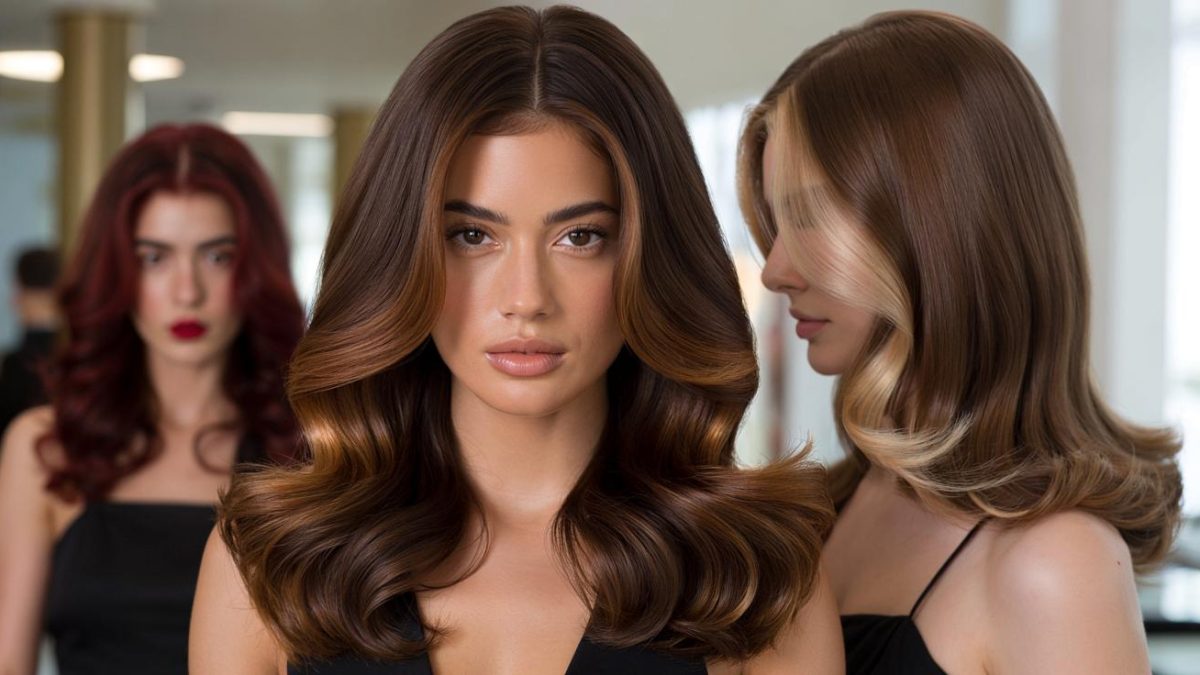
The sun-kissed bronde era is fading fast. As we move deeper into 2026, a luxurious and versatile alternative is commanding attention in salons worldwide: rich, sophisticated chocolate brown. This color revolution signals a shift toward deeper, more dimensional tones that offer warmth, depth, and timeless elegance. Whether you’re ready to make the transition or simply curious about what’s next in hair color trends, this comprehensive guide explores everything you need to know about embracing chocolate brown hues.
The Decline of Bronde and Rise of Brown
For years, bronde has been the default choice for those seeking a compromise between blonde and brunette. The highlight-heavy technique created dimension and brightness that appealed to a wide demographic. However, trend cycles are inevitable, and hair color is no exception. Bronde’s reign is being challenged by a color palette that celebrates richness and sophistication in ways that lighter, more blended tones cannot.
The shift toward chocolate brown represents more than just a seasonal preference. It reflects a broader cultural movement toward embracing natural beauty, authenticity, and sustainability. Chocolate brown requires less frequent maintenance than bronde, which typically demands regular touch-ups to maintain its highlighted appearance. Additionally, brown tones photograph beautifully in various lighting conditions, from natural daylight to artificial indoor settings, making them incredibly practical for our social media-conscious world.
Understanding the Chocolate Brown Spectrum
Chocolate brown isn’t a one-size-fits-all color. The spectrum ranges from nearly black espresso tones to warm, creamy caramel-tinged browns. Understanding where you fall on this spectrum depends on your skin tone, natural hair color, and personal style preferences.
Deep Espresso Brown: This is the darkest end of the chocolate spectrum, featuring rich, nearly black tones with subtle warm undertones. It’s ideal for those with olive or deep skin tones and works particularly well for creating dramatic contrast and definition. This shade requires minimal maintenance and provides a bold, sophisticated appearance.
Classic Milk Chocolate: The middle ground of the spectrum, milk chocolate brown offers the perfect balance between depth and warmth. This versatile shade works across most skin tones and provides a flattering, natural appearance. It’s the shade many stylists recommend for first-time brown color wearers.
Warm Caramel-Chocolate Blend: Incorporating lighter caramel notes into chocolate brown creates dimension without resorting to traditional highlights. This approach maintains the richness of chocolate while adding subtle movement and light-catching qualities that prevent the color from appearing flat.
Mahogany-Infused Chocolate: For those seeking a touch of uniqueness, chocolate brown with mahogany undertones delivers richness with a subtle reddish gleam. This variation is particularly striking on lighter skin tones and adds personality while remaining sophisticated.
Which Shade Works Best for Your Skin Tone
Selecting the right chocolate brown shade requires considering your natural undertones. This simple analysis ensures your new color will be flattering rather than clashing with your complexion.
Fair skin tones with cool undertones pair beautifully with espresso brown or classic milk chocolate. These deeper shades create striking contrast without overwhelming pale complexions. If you have warm undertones, caramel-chocolate blends or mahogany-infused options add harmony to your natural coloring.
Medium skin tones enjoy versatility across the entire chocolate spectrum. Warm medium tones can carry off milk chocolate or caramel blends effortlessly, while those with cooler undertones might prefer deeper espresso shades. Olive skin tones particularly benefit from chocolate brown, as the color’s warmth complements olive undertones beautifully.
Deep skin tones can rock any chocolate brown shade, though espresso and mahogany-infused varieties create stunning visual impact. The key is ensuring adequate contrast between your natural skin tone and chosen hair color for optimal definition and depth.
The Benefits of Making the Switch
Beyond aesthetic appeal, switching to chocolate brown offers numerous practical advantages. First, this color family is exceptionally forgiving. Unlike blonde, which shows every brassiness and regrowth, chocolate brown ages gracefully. Your natural hair growth becomes less noticeable, extending the time between salon visits.
Second, chocolate brown provides protection against sun damage. Darker pigments absorb less UV radiation, meaning your color fades more slowly if you spend considerable time outdoors. This translates to fewer color-correction appointments and less chemical processing overall.
Third, this shade family works with virtually any personal style. Whether you’re minimalist, bohemian, edgy, or classic in your aesthetic, chocolate brown complements diverse fashion choices, makeup styles, and accessories. It’s genuinely one of the most universally flattering hair colors available.
Maintenance Tips for Chocolate Brown Hair
Maintaining your chocolate brown color ensures longevity and vibrancy. Begin by using color-safe shampoos and conditioners specifically formulated for brunettes. These products contain pigments that deposit subtle color while cleansing, compensating for fading between salon visits.
Limit shampooing to two or three times weekly, as frequent washing accelerates color fading. When you do wash, use lukewarm or cool water rather than hot, which opens the hair cuticle and allows color molecules to escape. Deep conditioning treatments once weekly restore moisture and enhance color shine.
Protect your investment from sun exposure by wearing hats during extended outdoor time or using products with UV filters. Every four to six weeks, schedule a toning appointment to refresh your shade and eliminate any unwanted brassiness that develops over time.
Communication With Your Stylist
Arriving at your appointment prepared ensures you and your stylist are on the same page. Bring reference photos showing multiple angles of your desired shade in different lighting conditions. Discuss your lifestyle, maintenance commitment level, and how often you’re willing to visit the salon.
Be honest about your hair history, including previous color treatments, chemical processes, or damage. This information helps your stylist determine whether your hair can handle the color process or if conditioning treatments are necessary first. A skilled colorist might recommend a gradual transition if you’re coming from blonde or red hair.
Looking Forward: Chocolate Brown as Your New Standard
The chocolate brown hair color trend in 2026 isn’t a fleeting fad destined to disappear next season. Instead, it represents a return to timeless sophistication and a departure from the constant maintenance demands of lighter, highlighted styles. This color speaks to a generation valuing both beauty and practicality.
Whether you choose espresso, milk chocolate, caramel-chocolate blends, or mahogany-infused variations, you’re investing in a versatile, flattering color that works across seasons, styles, and life stages. The chocolate brown revolution is here, and your next salon appointment might be the perfect time to join it.






Leave a Comment