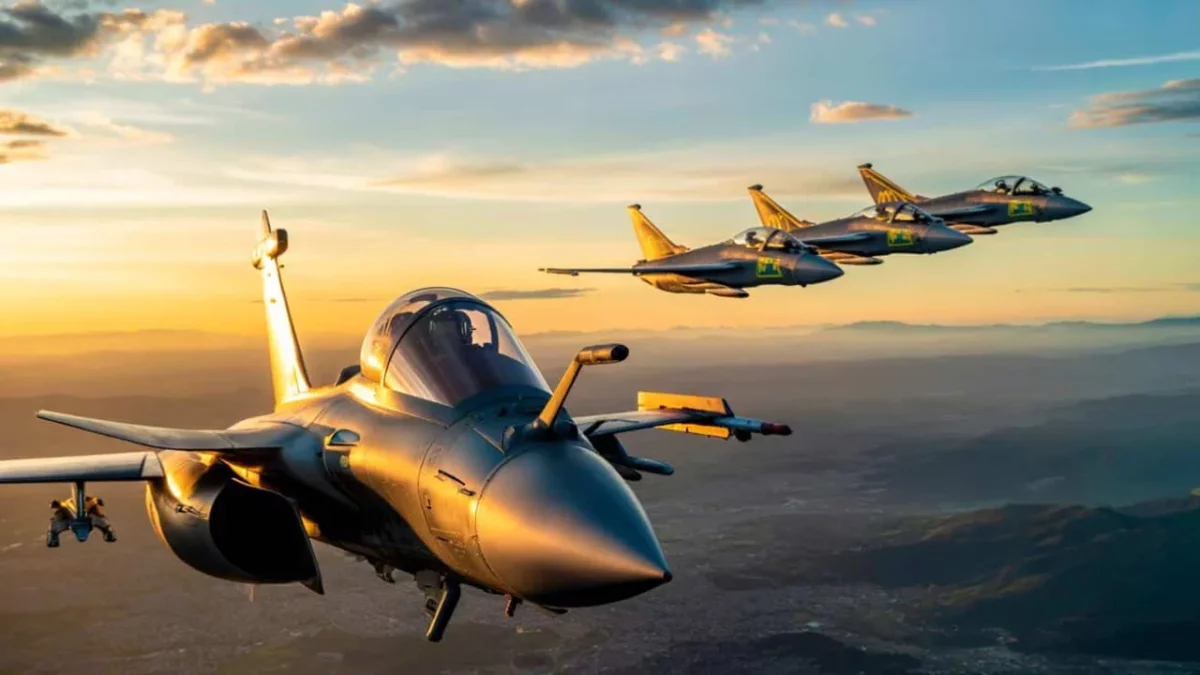
The defense industry operates on a different plane than most commercial sectors. Decisions that take years to negotiate can evaporate in days. Recently, the global aerospace community witnessed precisely this phenomenon when a monumental €3.2 billion fighter jet agreement unexpectedly dissolved, leaving industry analysts scrambling to understand the ramifications and the underlying causes of this dramatic reversal.
The Scale of the Loss
When we discuss a €3.2 billion contract in the defense sector, we’re talking about more than just revenue figures. This represents years of development investment, manufacturing capacity planning, supply chain commitments, and workforce considerations. For Dassault Aviation, this wasn’t simply a missed opportunity—it represented a significant disruption to long-term strategic planning and financial projections.
The Rafale platform, France’s premier fighter jet, has been a cornerstone of the nation’s defense export strategy for decades. The aircraft represents cutting-edge technology, refined through operational experience, and continuously upgraded to meet modern combat requirements. A contract of this magnitude would have solidified the aircraft’s market position and potentially opened doors to additional regional sales.
Understanding the Broader Context
Large defense contracts don’t materialize overnight. They typically involve extensive evaluation periods, multiple rounds of negotiations, political considerations, and technical assessments. The buyer in this scenario conducted thorough due diligence, examined competing platforms, evaluated financing options, and presumably reached a point where commitment seemed inevitable.
What changes between decisive commitment and last-minute withdrawal? Several factors commonly influence such dramatic reversals in the defense procurement world. Political leadership transitions can alter a nation’s strategic priorities. Budget reassessments may reveal fiscal constraints previously overlooked. International pressure from allied nations sometimes influences procurement decisions. Technical concerns might emerge during final evaluation phases. Alternatively, competing offers from other defense manufacturers could provide compelling alternatives.
The Competitive Landscape in Fighter Jet Sales
France operates within an intensely competitive global market for advanced fighter aircraft. The Rafale competes against several formidable platforms including the F-35 Lightning II, the Eurofighter Typhoon, and the Gripen series. Each platform offers distinct advantages, different lifecycle costs, varying levels of technology transfer, and distinct political alignments.
The American F-35 program, despite controversies and cost overruns, maintains substantial market momentum through NATO relationships and strategic alliances. The Eurofighter consortium leverages multi-national European partnerships. Swedish Gripen focuses on operational efficiency and lower acquisition costs. Against this backdrop, the Rafale must compete on technical merit, industrial partnerships, financing arrangements, and political considerations.
When a potential buyer reverses course, they’re often responding to external pressure or discovering that alternatives better serve their strategic interests. The defense industry operates within geopolitical realities that pure commercial sectors rarely encounter.
Financial and Industrial Consequences
Beyond the immediate loss of contract revenue, such reversals create operational disruptions. Manufacturing facilities may have already allocated production capacity. Supply chains may have positioned inventory for anticipated orders. Workforce planning becomes complicated when projected demand suddenly disappears. Stock markets react negatively when major defense contractors experience unexpected revenue losses.
Dassault Aviation, like all major defense manufacturers, builds business models around pipeline forecasting. A €3.2 billion contract represents substantial revenue certainty that influences investment decisions, R&D budgets, and expansion plans. When that certainty evaporates, financial planning requires immediate revision.
The Precedent Factor
Large defense contract cancellations create concerning precedents. They suggest that even advanced negotiations between nations don’t guarantee completion. This unpredictability potentially discourages future commitments and makes buyers more cautious about long-term defense partnerships. Manufacturers must now factor in higher contingency allowances for political risk.
Historical examples demonstrate that defense contracts face unique vulnerabilities. Political administrations change, sometimes dramatically altering procurement priorities. International relationships shift. Budget crises emerge unexpectedly. Military doctrine evolves. Technology advancement makes platforms seem suddenly obsolete. These realities mean that defense sales, regardless of advancement stage, carry inherent risk.
Lessons for the Defense Sector
This incident underscores several critical lessons for defense manufacturers and procuring nations alike. First, formal agreements should ideally precede public announcements, reducing the appearance of commitment before actual legal binding occurs. Second, manufacturers should maintain diverse customer portfolios to prevent over-reliance on single contracts. Third, flexibility in manufacturing and supply chains becomes increasingly valuable given procurement uncertainty.
For potential buyers, the episode reinforces the importance of thorough evaluation and clear decision-making frameworks. Prolonged negotiations without clarity eventually discourage serious partnerships and damage credibility in international relationships.
Future Implications for French Defense
France maintains ambitious goals for defense sector growth and export revenues. The Rafale program represents significant national investment and technological capability. While individual contract losses occur across the industry, their cumulative effect influences market positioning and competitive standing.
Going forward, French defense authorities may reassess negotiation strategies, perhaps seeking more formal commitments earlier in the process. They might emphasize collaborative partnerships, industrial cooperation, and technology transfer opportunities to differentiate their offerings from competitors. Regional relationships and diplomatic efforts become increasingly important when financial factors alone prove insufficient for closing sales.
Broader Industry Reactions
Other defense manufacturers observe such incidents carefully, recognizing patterns and adjusting strategies accordingly. Success in modern defense sales increasingly requires understanding geopolitical currents, managing political relationships, and offering compelling financial packages beyond pure technical specifications.
The aerospace and defense industry continues evolving, with consolidations, partnerships, and strategic realignments reshaping competitive dynamics. Individual contract losses, while significant, represent data points within larger industry trends toward modernization, collaboration, and adaptation to changing security environments.
Conclusion
The collapse of a €3.2 billion fighter jet contract represents more than financial loss for individual companies. It highlights the complex intersection of military technology, industrial capacity, geopolitical interests, and fiscal realities that characterize modern defense procurement. As nations worldwide modernize their armed forces and upgrade weapon systems, understanding these dynamics becomes essential for manufacturers, policymakers, and defense strategists. While unexpected reversals create disruption, they also drive continuous innovation and strategic evolution within the global defense industry.










Leave a Comment