When established medical institutions announce the arrival of new specialist physicians, it often signals something deeper than a simple staffing change. The healthcare landscape in growing Texas communities is undergoing a meaningful transformation, with regional medical centers increasingly investing in advanced surgical specialties. This trend reflects both patient demand and the competitive nature of modern healthcare delivery.
Understanding the Shift Toward Specialized Orthopedic Care
The musculoskeletal health landscape has changed dramatically over the past decade. Communities across Texas are experiencing an influx of active populations—whether through relocation, aging populations requiring joint care, or younger professionals engaging in regular athletic activities. This demographic shift creates genuine demand for orthopedic expertise that extends beyond general surgery.
Sports medicine and arthroscopy represent some of the most technically advanced areas within orthopedic surgery. These specialties focus on minimally invasive approaches to treating injuries affecting joints, ligaments, tendons, and cartilage. The emphasis on arthroscopic techniques means smaller incisions, faster recovery times, and less post-operative discomfort for patients—outcomes that modern healthcare consumers increasingly expect.
Why Regional Healthcare Systems Are Investing in Orthopedic Specialists
Large medical institutions don’t recruit specialized surgeons without careful consideration. The decision to expand orthopedic capabilities reflects strategic planning based on community health data, patient referral patterns, and workforce trends. Several factors drive these investment decisions.
First, orthopedic procedures consistently rank among the most commonly performed surgical interventions in the United States. From rotator cuff repairs to ACL reconstructions, the volume of joint-related procedures continues climbing. Second, patients increasingly seek care closer to home rather than traveling to distant medical centers. Communities that fail to develop local orthopedic expertise risk losing patients to competing healthcare systems. Third, physician recruitment itself has become competitive—establishing strong departmental leadership and modern facilities attracts talented surgeons who want to practice in well-resourced environments.
The Impact on Patient Access and Treatment Options
For residents in communities like the greater Dallas-Fort Worth corridor, the expansion of orthopedic services translates directly to improved healthcare access. Rather than facing two-hour drives for arthroscopic surgery or waiting weeks for appointments with distant specialists, local patients can receive prompt evaluation and treatment from fellowship-trained physicians.
This accessibility improvement matters tremendously for specific patient populations. High school and college athletes struggling with injuries can receive immediate assessment and evidence-based treatment plans tailored to their specific competitive schedules. Middle-aged individuals dealing with degenerative joint conditions can access cutting-edge surgical and non-surgical options without significant travel burden. Older adults requiring joint replacement or repair procedures benefit from local expertise and coordinated post-operative care through familiar healthcare providers.
Arthroscopy and Minimally Invasive Surgery: The Modern Standard
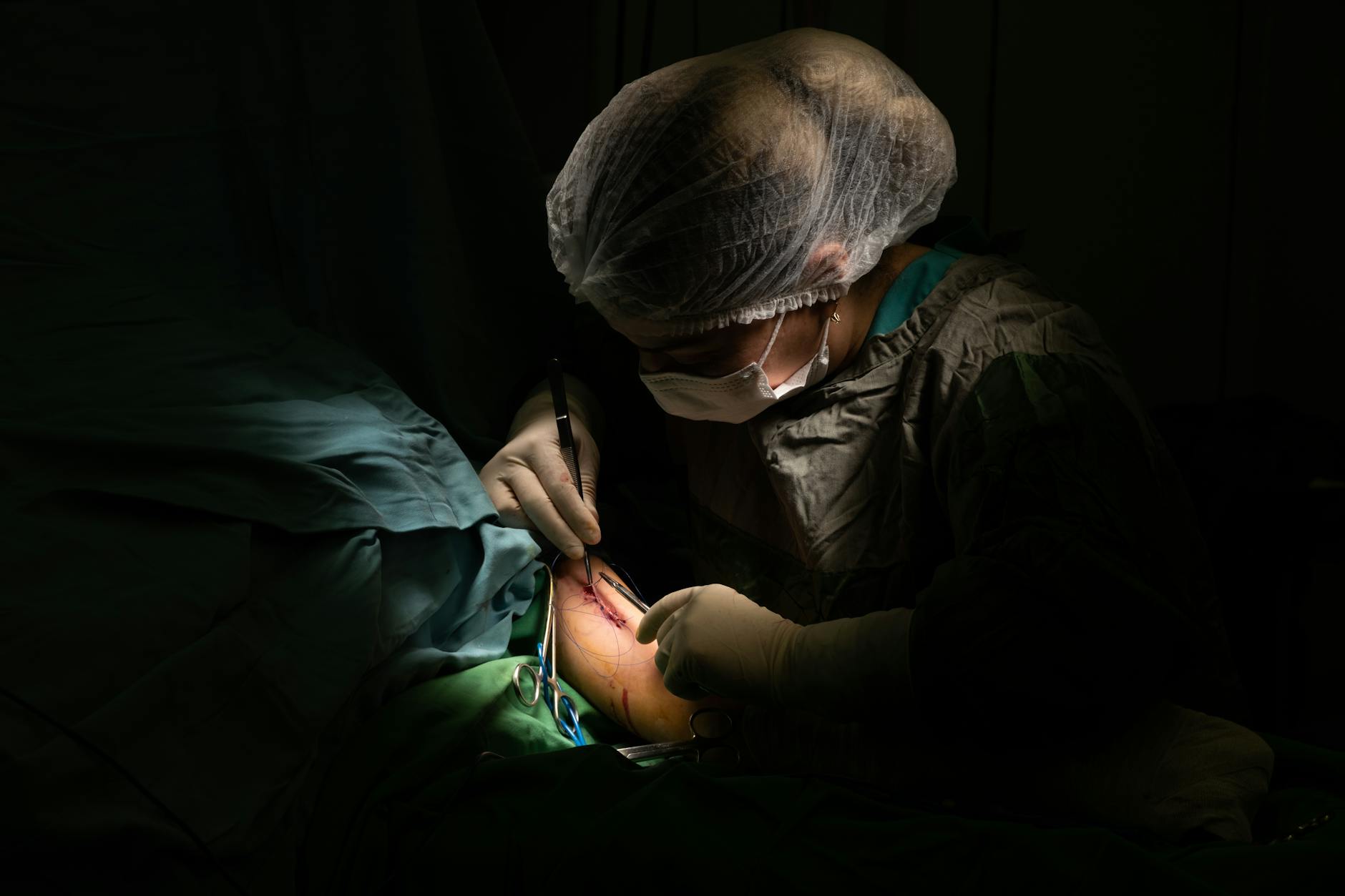
Arthroscopic procedures represent a fundamental advancement in orthopedic surgery. Using specialized cameras and instruments inserted through small incisions, surgeons can diagnose and treat numerous joint conditions with precision previously impossible through open surgery techniques.
The advantages extend beyond patient comfort. Smaller incisions mean reduced infection risk, faster healing, and quicker return to normal activities. For working-age patients, these benefits translate to less time away from employment and family responsibilities. For athletes, minimized tissue trauma can mean faster return to sport with potentially better functional outcomes.
Specialized physicians in arthroscopic techniques bring not only technical skill but also current knowledge of emerging treatment approaches. They understand when traditional surgery is appropriate and when conservative management or newer biological treatments might serve patients better. This nuanced decision-making improves overall treatment outcomes.
Sports Medicine Beyond Professional Athletics
Many people assume sports medicine specialists primarily care for professional athletes or elite amateur competitors. In reality, modern sports medicine practice serves a much broader population. Weekend warriors, recreational athletes, occupational injury patients, and anyone with activity-limiting joint problems benefit from sports medicine expertise.
A sports medicine physician understands not just how to repair injuries, but how to rehabilitate them in ways that preserve function and prevent recurrence. They comprehend the biomechanics of movement and can identify compensatory patterns that might predispose someone to future injury. This comprehensive approach to musculoskeletal health extends far beyond the professional athletic realm.
Regional Healthcare Competitiveness and Economic Implications
When communities successfully attract specialized physicians and establish high-quality surgical programs, broader economic benefits often follow. These departments employ surgical nurses, anesthesiologists, physical therapists, and administrative personnel. They attract patients from surrounding areas, generating revenue that supports other hospital departments and services.
Furthermore, the presence of advanced surgical capabilities enhances a community’s reputation and attracts new residents and businesses. Young professionals making relocation decisions increasingly consider healthcare quality as a factor. Employers seeking to relocate operations factor in the availability of quality medical care for their workforces. Strong regional healthcare systems become community assets that extend far beyond direct patient care.
The Future of Orthopedic Care in Growing Communities
The trajectory suggests continued investment in specialized orthopedic services across Texas and similar regions. Population growth, aging demographics, and increasing consumer expectations for advanced medical technology will drive ongoing expansion.
Future developments may include increased focus on regenerative medicine approaches using biologics and stem cells. Robotic-assisted surgery platforms are becoming more prevalent in orthopedic programs. Enhanced imaging technologies and digital health integration will improve preoperative planning and postoperative monitoring. Communities that establish strong foundational programs today will be better positioned to adopt these advancing technologies tomorrow.
What This Means for Your Community
If you live in or near a growing community experiencing this kind of healthcare expansion, the implications are tangible and positive. You’re likely to have shorter wait times for orthopedic consultations, access to minimally invasive surgical options, and the ability to receive specialized care without significant travel. You benefit from physicians who are actively engaged in their specialty, staying current with advancing techniques and treatment approaches.
For those managing orthopedic conditions or at risk for future joint problems, the availability of specialized expertise nearby means you can make informed decisions about your care with local physicians who understand your specific community context and can provide ongoing follow-up.
Conclusion: Excellence in Regional Medicine
The expansion of orthopedic surgical services in regional medical centers represents healthcare evolution responding to genuine community needs. As populations grow and patient expectations for specialized, high-quality care increase, communities that invest in these services demonstrate commitment to comprehensive healthcare delivery. For patients seeking orthopedic evaluation and treatment, these developments translate to better access, more advanced options, and care delivered by physicians dedicated to their specialty. The result is a healthcare ecosystem that better serves everyone in the community.








Leave a Comment