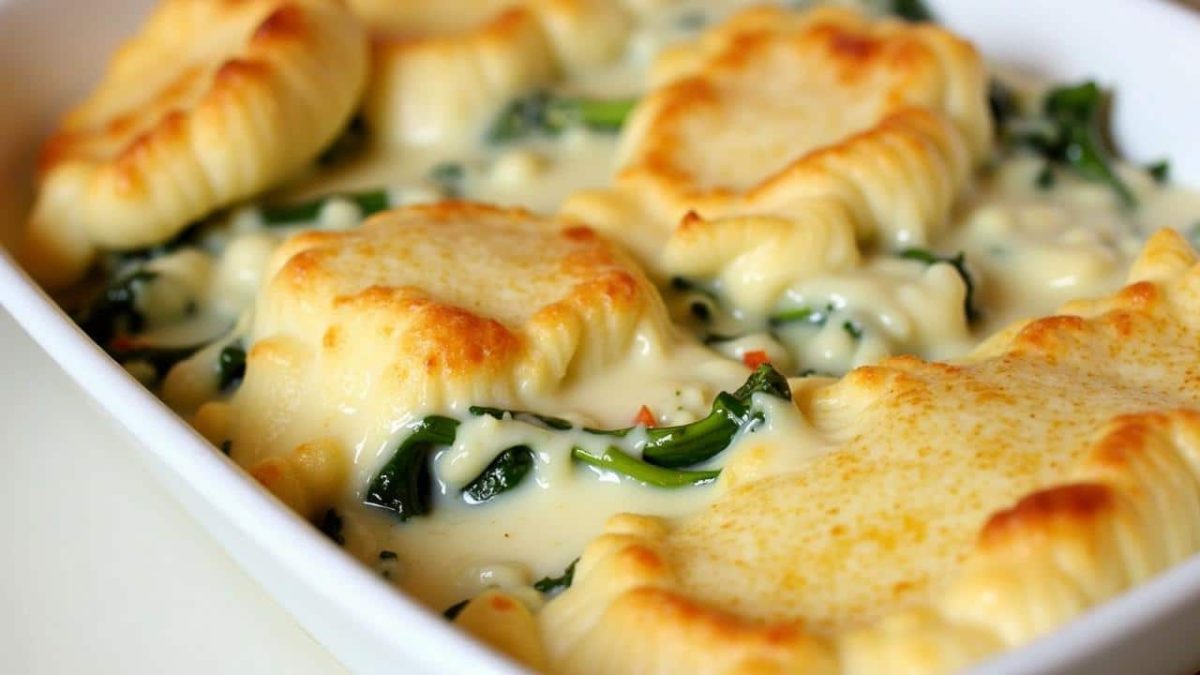
That moment when a chef pauses mid-tasting of a vegetable gratin, plate poised before their lips, and something feels fundamentally incomplete. The vegetables possess perfect tenderness, the cheese layer gleams with golden promise, yet the overall composition lacks the depth that transforms a good dish into an exceptional one. For decades, béchamel sauce has been the default answer to this culinary puzzle. But today’s most innovative chefs are reaching for something entirely different.
The Béchamel Plateau: Understanding the Limitation
Béchamel—that simple marriage of butter, flour, and milk—has earned its place in culinary tradition for legitimate reasons. It’s reliable, technically straightforward, and creates a respectable foundation for layered vegetable dishes. The sauce binds ingredients together, provides moisture, and offers a neutral backdrop that doesn’t compete with delicate vegetable flavors.
However, this very neutrality has become its limitation. Contemporary diners expect more complexity, more personality, more reasons to revisit a dish. When a chef tastes a béchamel-based gratin, they often encounter a creamy but somewhat one-dimensional experience. The vegetables may shine individually, but they exist in a sauce that doesn’t enhance or celebrate them—it merely suspends them in a pale, mild vehicle.
Professional chefs increasingly view this straightforward approach as a missed opportunity. Why settle for adequate when your ingredient quality and technique deserve expression through genuinely complementary flavoring?
Velouté: The Sophisticated Alternative Taking Over Professional Kitchens
Walk into progressive kitchens across Europe and North America, and you’ll discover velouté has become the preferred choice for elevated vegetable gratins. Unlike béchamel’s milk base, velouté builds on stock—vegetable, chicken, or even fish depending on the vegetables involved and the intended direction of the dish.
This distinction matters profoundly. Stock carries inherent umami, depth, and complexity that milk simply cannot provide. When a chef reduces vegetable stock before incorporating it into a roux-based sauce, they’re concentrating flavors, building layers of taste that complement rather than mask the vegetables.
Consider a gratin built on velouté made from roasted mushroom stock. The earthy undertones of the mushroom provide a foundation that celebrates rather than competes with zucchini, eggplant, and tomato. Each vegetable’s natural flavor notes become more pronounced, more interesting, positioned within a framework of supporting complexity.
Cream-Forward Foundations: When Richness Becomes Essential
Some chefs have moved beyond traditional French mother sauce architecture altogether, choosing instead to craft sauce bases that prioritize cream as the primary component rather than an additive. These approaches often incorporate multiple techniques—reduction, emulsification, and careful seasoning—to create something more nuanced than standard cream sauce.
A common technique involves infusing heavy cream with aromatics before combining with stock and careful seasoning. Thyme, garlic, and perhaps white wine reduce into the cream, creating a sauce where every spoonful carries intention. The cream’s inherent richness now serves as a vehicle for specific flavor intentions rather than a neutral binding agent.
This approach particularly appeals to chefs working with assertive vegetables like Brussels sprouts, cauliflower, or broccoli. The cream richness balances natural bitterness while the infused aromatics create dialogue between sauce and vegetable.
Cheese-Based Sauces: Taking the Umami Direction
The most dramatic departure from béchamel involves chefs who’ve embraced cheese as the sauce’s foundation rather than its finishing flourish. These sauces begin with stock, incorporate cream if desired, then mount significant quantities of aged cheese—Gruyère, Comté, or even Parmigiano-Reggiano.
The distinction here shifts the entire compositional balance. Rather than vegetables resting in a neutral sauce topped with cheese, the cheese becomes integrated throughout, creating a sauce with pronounced umami, nuttiness, and complexity. The heat of the gratin creates new flavor development as the cheese undergoes further transformation through baking.
Chefs working this way often add complementary elements—perhaps a whisper of Dijon mustard, a hint of nutmeg, or even a touch of anchovy powder. These micro-additions create dimensionality that makes the sauce genuinely memorable rather than merely functional.
Regional Inspirations: Learning from European Traditions
French kitchens have long understood that sauce excellence requires regional specificity. Italian cooks building gratins might employ béchamel’s cousin, but with additions of Parmigiano and white wine that fundamentally alter its character. Spanish techniques sometimes involve aioli-based approaches, where emulsified garlic and olive oil create an entirely different flavor profile.
These regional variations remind contemporary chefs that béchamel represents merely one solution among countless possibilities. By studying how different culinary traditions approach binding sauces, chefs access a vocabulary of techniques that transform their own gratin possibilities.
Technical Considerations: Why the Switch Matters
Beyond pure flavor, the move away from béchamel often addresses textural concerns that many home cooks overlook. Béchamel, particularly when prepared with the traditional flour-based roux, can become gluey or heavy during the extended cooking times that gratins require.
Alternative sauces often employ reduced stock as their base, then incorporate cream or cheese at the last possible moment. This approach prevents the texture degradation that occurs when milk proteins cook for extended periods. The resulting sauce maintains a more refined consistency, better coating vegetables without becoming pasty.
Practical Implementation for Home Cooks
Adopting these professional approaches doesn’t require culinary training or exotic ingredients. Home cooks can begin experimenting by simply substituting vegetable stock for milk in their next gratin, then adjusting seasoning as needed. The difference will be immediately apparent.
For slightly more ambitious preparation, try reducing stock with aromatics before creating your binding sauce. This concentrates flavors substantially with minimal additional effort. Or experiment with mounding high-quality aged cheese directly into your sauce layer—the gratin’s heat does the work of integrating it beautifully.
Even small modifications—adding a splash of white wine to your sauce, incorporating fresh herbs, or balancing richness with acidity—push gratins toward the more complex territory that professional chefs now inhabit.
The Broader Culinary Movement
This shift from béchamel toward more sophisticated sauce approaches reflects broader changes in how chefs think about vegetable cookery. Vegetables have graduated from supporting players to protagonists, which means their accompanying sauces must rise to match their importance. Simple starch and fat combinations feel increasingly inadequate when paired with carefully selected, properly cooked vegetables.
Modern diners increasingly seek dishes where every component contributes meaningfully to the whole. This expectation has liberated chefs from traditional formulas, encouraging them to ask continuously: what sauce would genuinely honor these specific vegetables prepared this particular way?
The answer is rarely béchamel anymore. Instead, it’s something more considered, more intentional, and ultimately far more delicious.











Leave a Comment