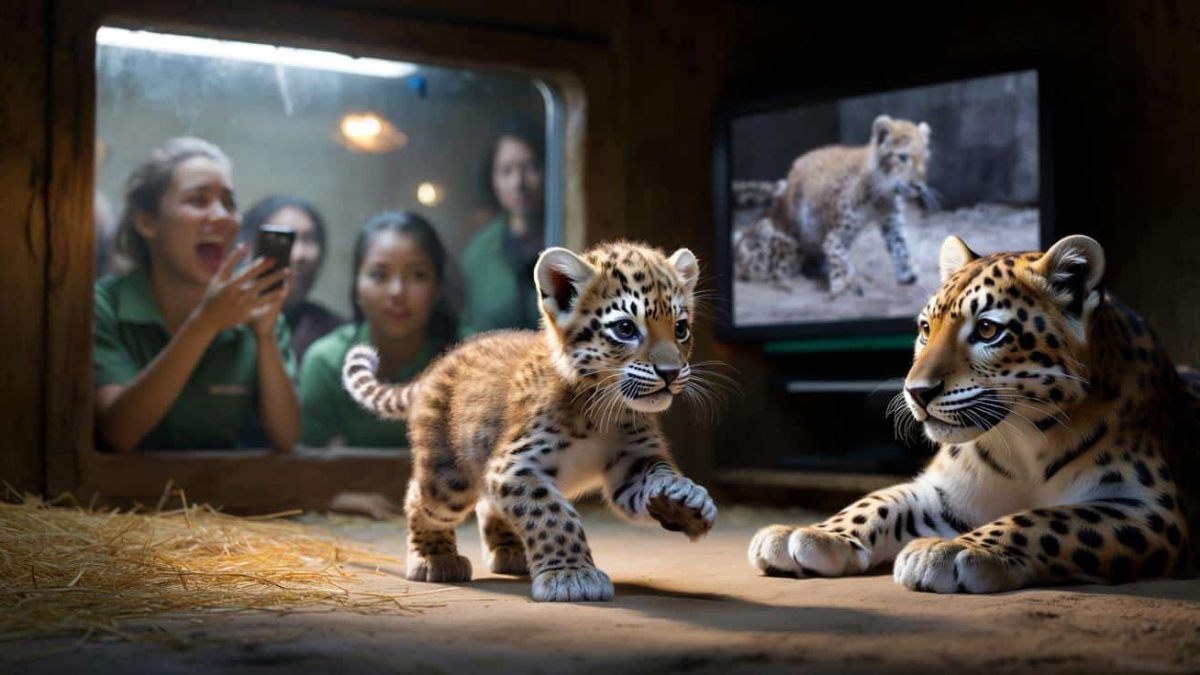
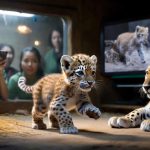
In a heartwarming display of nature’s resilience, a newborn Amur leopard cub recently accomplished a developmental milestone that has sparked celebration throughout the international conservation community. The moment—captured on video at a premier breeding facility in Russia’s Far East—marks another chapter in humanity’s ongoing battle to rescue one of Earth’s rarest felines from the brink of extinction. With fewer than 100 individuals remaining in the wild, each birth represents an invaluable opportunity to strengthen the genetic diversity of this magnificent but perilously endangered species.
A Glimpse Into Fragile Recovery Efforts
The Far Eastern Leopard Breeding Center has emerged as a beacon of hope for conservationists worldwide. Nestled in Russia’s remote eastern regions, this facility operates as more than just a zoo—it functions as a genetic lifeline for a species teetering on the precipice of extinction. The recent birth and development of this particular cub exemplifies the meticulous care and scientific expertise required to ensure the survival of endangered populations.
When the tiny cub first emerged from its mother’s den weeks ago, staff members implemented carefully planned protocols designed to monitor health while minimizing human interference. The decision to document the first steps marked a rare public-facing moment in what is typically a highly controlled environment. Keepers understand that every movement, every behavioral pattern, and every developmental milestone holds significance—not just for individual animal welfare, but for understanding how captive-bred leopards might eventually thrive in restoration efforts.
Why These Moments Matter for Species Survival
The first steps of any cub may seem routine from a biological standpoint, yet in the context of endangered species management, they represent something far more profound. These early motor skills indicate neurological development, physical strength, and the cub’s capacity to eventually move independently through territory—essential capabilities for survival in any potential future reintroduction scenario.
Amur leopards, scientifically known as Panthera pardus orientalis, possess unique adaptations developed over millennia in the remote mountains and forests bordering Russia and China. Their distinctive spotted coat, powerful musculature, and hunting prowess make them architectural marvels of predatory evolution. However, habitat destruction, poaching, and human encroachment have systematically eliminated their populations until captive breeding became the primary method of species preservation.
Conservation biologists recognize that each cub reaching developmental milestones increases the probability of successful breeding programs. The genetic record maintained by institutions like the Far Eastern Breeding Center tracks lineage meticulously, ensuring that future breeding pairs maintain maximum genetic diversity. This prevents the dangerous phenomenon of inbreeding depression—where limited genetic variation compromises immune function, reproductive capacity, and overall fitness.
The Global Network Behind Conservation Success
What many observers don’t realize is that a single cub’s progress involves collaboration spanning multiple continents. International breeding registries, genetic analysis from universities, veterinary consultations with specialists, and coordinated research efforts all converge to support facilities like the Far Eastern Center. Organizations dedicated to big cat conservation contribute funding, expertise, and strategic planning that enables these programs to function effectively.
The protocol following this cub’s first steps includes comprehensive health assessments, behavioral observation, and regular documentation. Veterinarians examine growth rates, ensuring the young leopard develops appropriate musculature and skeletal strength. Animal behaviorists note social interactions with the mother, assessing whether natural maternal behaviors are being expressed and received appropriately. These observations inform broader understanding of Amur leopard development patterns.
Hope Amid Environmental Challenges
While celebrating these victories, conservationists simultaneously grapple with sobering realities. The wild population of Amur leopards has stabilized at approximately 70-100 individuals, concentrated primarily in the Sikhote-Alin mountain range in Russia’s Primorsky Krai region. This fragmented population exists amid logging operations, human settlements, and inadequate legal protection in some areas.
Climate change introduces additional complications, altering prey availability and forest composition in ways that impact leopard survival. Poaching remains an ever-present threat, despite international protections. Infrastructure projects, including highways and industrial development, continue fragmenting habitat and restricting movement between populations. These challenges underscore why breeding programs remain critical—they serve as genetic insurance policies against catastrophic wild population collapse.
The Path Forward for Endangered Felids
The cub’s achievement resonates because it demonstrates that despite overwhelming odds, recovery remains possible with sustained commitment and resources. Scientists believe that carefully managed breeding programs, combined with habitat restoration and anti-poaching enforcement, could eventually enable reintroduction of captive-bred animals into protected wild areas. This multi-pronged approach requires international cooperation, significant funding, and long-term vision that extends decades into the future.
Educational initiatives tied to conservation breeding programs help shift public perception. When people witness images of a tiny leopard taking wobbly first steps, emotional connections form. These connections translate into political will, funding support, and behavioral change—all necessary components of effective conservation.
Celebrating Small Victories While Addressing Systemic Issues
The joy expressed by breeding center staff reflects genuine appreciation for biological progress, yet it’s tempered by awareness of monumental challenges ahead. Each successful birth represents both triumph and reminder of how precariously this species teeters. Staff members who celebrate this cub’s first steps also work tirelessly to address root causes of species endangerment—habitat loss, human-wildlife conflict, and insufficient legal protection.
This particular cub will likely never experience the freedom of wild territories. However, its genetic contribution to the species’ future—either through direct breeding or through knowledge gained from its development—justifies the investment and care provided by dedicated professionals. The moment captured on camera transcends simple animal behavior footage; it represents humanity’s commitment to preventing irreversible biological loss.
As climate change accelerates and human populations expand, stories like this remind us that conservation requires constant vigilance, innovation, and unwavering dedication. The tiny spotted cub taking its first steps at the Far Eastern Leopard Breeding Center symbolizes not just individual survival, but collective responsibility for preserving Earth’s magnificent biodiversity for generations yet unborn.






Leave a Comment