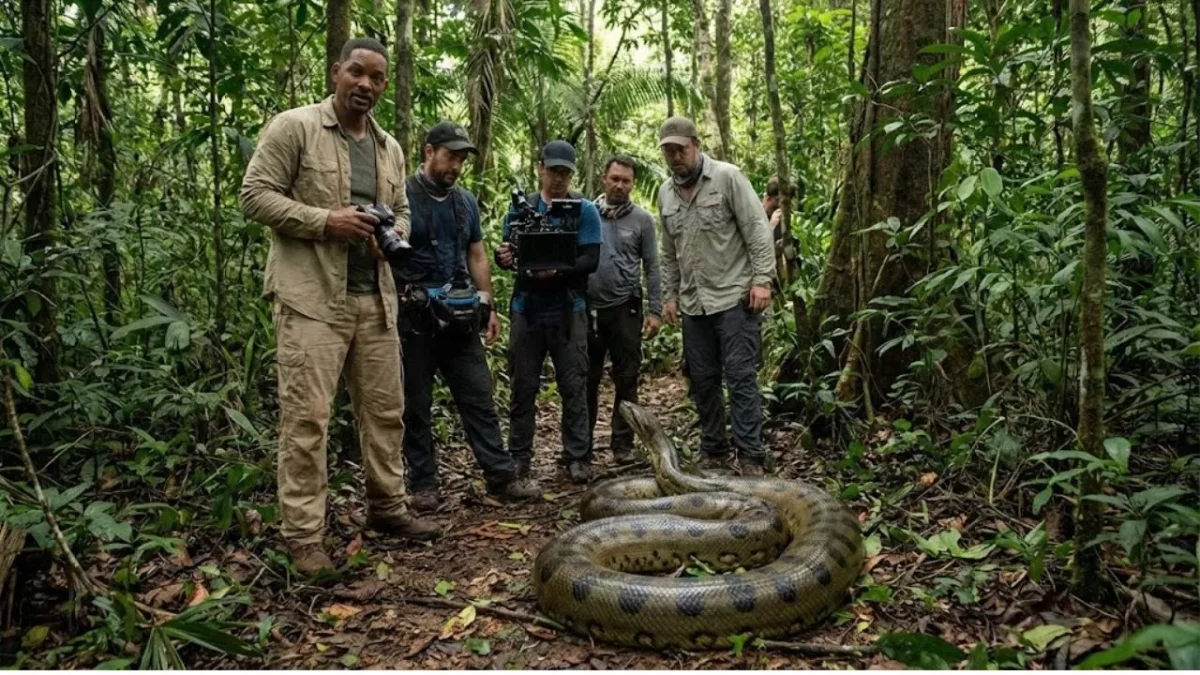
The Amazon rainforest continues to surprise us. Despite centuries of exploration and scientific study, this vast ecosystem harbours secrets that remain hidden from the modern world. Recently, a documentary crew working in one of Earth’s most remote regions captured something extraordinary—a giant anaconda that challenges our understanding of these magnificent creatures and their behaviour in the wild.
The Expedition Into the Unknown
Venturing into the Amazon basin requires meticulous planning, specialized equipment, and unwavering determination. The documentary team, equipped with cutting-edge cameras and guided by experienced naturalists, set out to capture authentic footage of rainforest wildlife in their natural habitat. What they didn’t anticipate was stumbling upon a specimen that would make international headlines and contribute significantly to herpetological research.
The crew navigated through dense vegetation, waterways, and challenging terrain, documenting various species and ecosystems along the way. Every expedition into the rainforest carries inherent risks and unpredictability, but the team remained committed to their mission of revealing the Amazon’s wonders to global audiences.
An Unexpected Encounter That Rewrote History
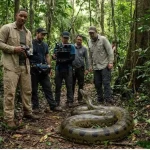
During filming near a tributary system deep within the basin, the crew encountered an anaconda of unprecedented proportions. Measuring approximately 7.5 metres in length, this specimen exceeded the previously documented size records for the species. The encounter wasn’t merely a lucky sighting—it represented a significant scientific moment that required careful documentation and professional handling.
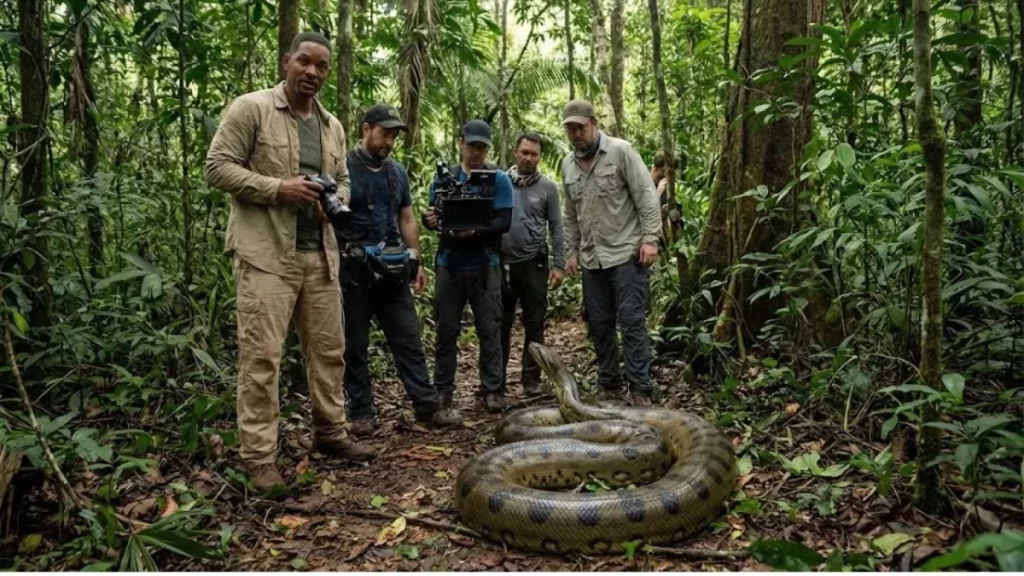
The team’s response was methodical and respectful. Rather than approaching the animal aggressively, they maintained safe distances and employed specialized cameras capable of capturing high-resolution footage without disturbing the creature. This approach yielded invaluable data about the anaconda’s behaviour, movement patterns, and habitat preferences in its natural environment.
Understanding the Anaconda Species
Anacondas represent some of the world’s largest snakes, and the green anaconda is the heaviest species by weight. These remarkable reptiles are native to South America, predominantly inhabiting the Amazon and Orinoco basins. They are semi-aquatic creatures, spending considerable time both in water and on land, making them perfectly adapted to the rainforest’s wet environment.
Despite their impressive size and formidable reputation, anacondas are generally reclusive and difficult to study in the wild. They hunt primarily at dawn and dusk, preying on fish, birds, mammals, and smaller reptiles. Their hunting strategy relies on ambush tactics, remaining submerged or hidden until suitable prey ventures within striking distance.
The discovery of this particular specimen provides researchers with unprecedented opportunities to understand how these snakes grow to such extraordinary sizes and what environmental factors support their development. Scientists are eager to analyze the footage and any collected data to expand the scientific database on anaconda biology and ecology.
Why This Discovery Matters
In an era where biodiversity loss accelerates and species extinction threatens global ecosystems, discovering new or previously undocumented individuals contributes valuable knowledge. This anaconda encounter highlights the Amazon’s continued importance as a biodiversity hotspot and demonstrates that even well-studied regions contain surprises.
The documentary footage serves multiple purposes beyond entertainment. It provides educational material for scientific institutions, wildlife organizations, and conservation efforts. Understanding these apex predators better enables us to protect their habitats and ensure their continued survival for future generations.
Additionally, the discovery underscores the importance of preserving pristine rainforest areas. Remote, untouched regions harbour species and behaviours that science has yet to fully comprehend. As deforestation accelerates globally, protecting these areas becomes increasingly crucial for maintaining Earth’s biological heritage.
Technological Advancement in Wildlife Documentation
The successful capture of footage featuring this giant anaconda reflects significant advances in documentary filmmaking technology. Modern cameras offer exceptional resolution and sensitivity, allowing filmmakers to document wildlife behaviour without invasive interference. Drone technology, thermal imaging, and remote recording equipment enable researchers to observe animals in ways previously impossible.
These technological innovations have democratized wildlife discovery, enabling documentarians and scientists to collaborate in ways that generate more comprehensive understanding of natural systems. High-quality footage becomes scientific data, contributing to peer-reviewed research and expanding human knowledge about animal behaviour.
Conservation Implications
Large predators like anacondas face mounting pressures from habitat destruction, climate change, and human encroachment. Understanding their ecological role and habitat requirements is essential for developing effective conservation strategies. This particular discovery may influence how conservation organizations prioritize Amazon protection efforts and direct resources toward preserving critical anaconda habitats.
The documentary’s global audience impact cannot be understated. When millions of viewers witness the majesty and vulnerability of rainforest creatures, it cultivates emotional connections that translate into conservation support. Public engagement with wildlife discoveries often motivates policy changes and increased funding for environmental protection initiatives.
Future Research Directions
Scientists are eager to conduct comprehensive studies based on the documentary footage. Researchers will examine the specimen’s movement patterns, habitat utilization, feeding behaviour, and interactions with other species. This information could reveal previously unknown aspects of anaconda ecology and potentially lead to new conservation recommendations.
Future expeditions to the region will likely include scientific teams specifically tasked with further studying this population. The successful documentation of one extraordinary individual suggests that the area supports exceptional biodiversity worthy of intensive research and protection.
Conclusion
The discovery of this remarkable 7.5-metre anaconda during a documentary shoot reminds us that the natural world still holds mysteries waiting to be unveiled. It demonstrates that exploration, combined with modern technology and scientific rigor, continues yielding discoveries that expand our understanding of life on Earth. As we face unprecedented environmental challenges, these discoveries reinforce the urgency of protecting the Amazon and other critical ecosystems that sustain Earth’s incredible biological diversity.







Leave a Comment