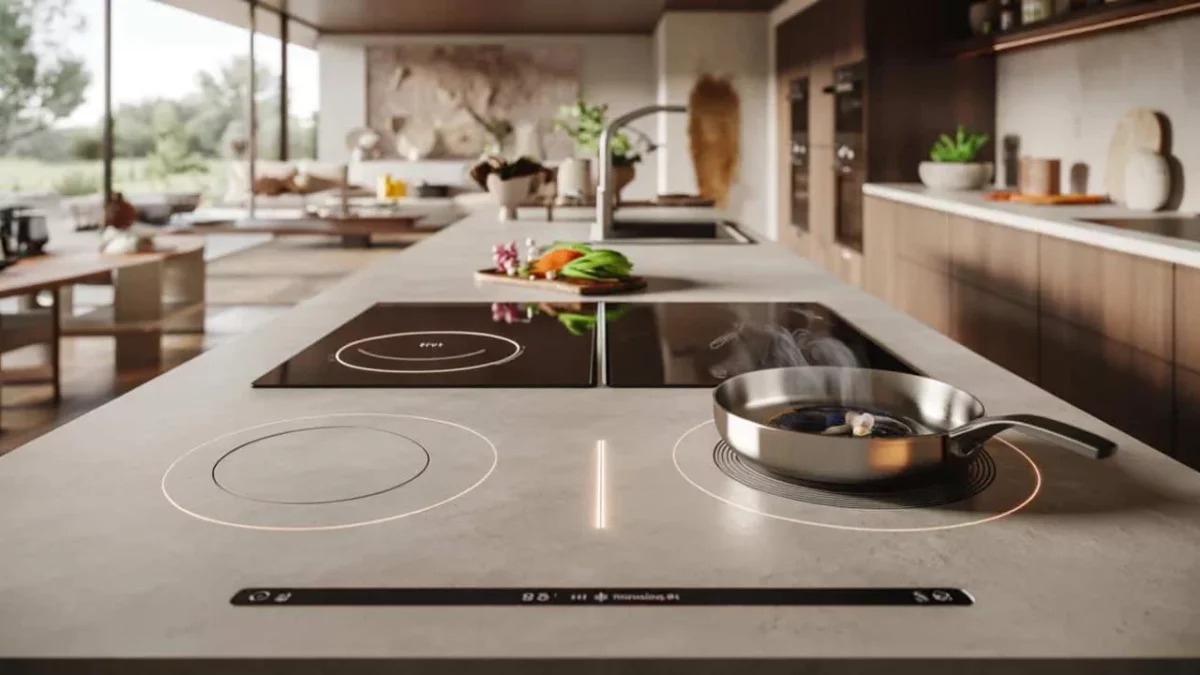
The induction cooktop revolution that swept through kitchens over the past two decades might be coming to an abrupt end. Major European appliance manufacturers are signaling a dramatic shift in cooking technology, with plans to phase out traditional induction hobs entirely by 2026. This seismic change in kitchen design represents more than just incremental improvement—it’s a fundamental reimagining of how heat transfer and food preparation will work in our homes.
Why Induction Hobs Dominated for So Long
Before exploring what comes next, it’s worth understanding why induction cooking became the darling of modern kitchen design. Introduced commercially in the 1980s but gaining mainstream popularity in the 2010s, induction hobs offered unprecedented advantages over traditional gas and electric coil systems. They provided rapid heating, precise temperature control, and superior energy efficiency. Consumers appreciated the sleek glass surfaces, the safety features that prevented burns, and the minimal heat waste.
European markets embraced induction technology enthusiastically, with adoption rates climbing steadily. The technology aligned perfectly with sustainability goals, using up to 90% of generated energy efficiently compared to just 65-75% for conventional methods. Yet despite these impressive credentials, the industry is now acknowledging fundamental limitations that induction simply cannot overcome.
The Hidden Limitations of Current Induction Technology
Engineers and manufacturers have identified several persistent challenges with induction systems that no amount of refinement can fully resolve. The technology requires cookware with ferrous metal bases, limiting flexibility for cooks who prefer copper, aluminum, or specialty vessels. Induction hobs also create electromagnetic fields that some consumers worry about, though scientific evidence remains inconclusive. Perhaps most significantly, the rigid cooking surface presents constraints for professionals and passionate home cooks who need variable heat zones and the ability to move cookware freely.
Thermal response times, while impressive compared to traditional methods, still cannot match what culinary experts achieve with gas flames. The all-or-nothing nature of induction heating—where magnetic fields either engage or don’t—lacks the nuanced control that experienced cooks demand. These limitations became increasingly apparent as global cooking trends diversified and consumers demanded more versatility from their kitchen equipment.
Introducing Hybrid Radiant Cooking Systems
The frontrunner technology poised to replace induction hobs is sophisticated hybrid radiant cooking systems. These innovative surfaces integrate multiple heating technologies into single unified platforms. Unlike traditional induction, these systems employ advanced far-infrared heating elements combined with responsive AI-powered temperature management.
Hybrid radiant systems heat cookware through multiple methods simultaneously, adapting in real-time to the type of vessel, the food being prepared, and the desired cooking style. The surface remains cooler than gas alternatives, addressing safety concerns, while delivering the responsive heat control that serious cooks crave. Early prototypes demonstrate heating speeds comparable to professional gas ranges while maintaining the safety and cleanliness advantages that made induction popular.
Smart Integration and Adaptive Cooking Surfaces
Beyond the physical heating mechanism, manufacturers are embedding sophisticated artificial intelligence into next-generation cooking surfaces. These smart hobs will use sensor networks to detect pan size, food type, moisture levels, and even cooking technique. The system adjusts heat distribution automatically, responding to how you manipulate your cookware and communicating with other kitchen appliances to coordinate meal preparation.
Imagine a cooking surface that recognizes when you’re preparing a delicate sauce and automatically reduces intensity, or one that detects when vegetables are browning to your preference and adjusts temperature accordingly. This level of responsiveness simply isn’t possible with current induction technology. Some manufacturers are testing gesture recognition features that allow cooks to control temperature by hovering their hands at different distances from the surface—no physical controls necessary.
Sustainability Beyond Simple Efficiency
While induction boasted impressive efficiency ratings, the new generation of cooking surfaces addresses the entire lifecycle sustainability picture. Advanced materials developed specifically for these systems are more recyclable than current glass-ceramic induction tops. The manufacturing process generates less waste, and the systems require fewer replacement components throughout their lifespan.
Additionally, these hybrid systems accommodate any cookware type—eliminating the need for consumers to replace their entire collection of copper, stainless steel, or aluminum vessels. This extends the useful life of existing kitchen equipment and dramatically reduces the environmental impact of transitioning to new technology.
What This Means for Consumers
The transition from induction to these advanced hybrid systems will fundamentally transform the cooking experience. Home chefs will gain unprecedented control and flexibility, while casual cooks benefit from intuitive smart features that remove guesswork from meal preparation. Renovation timelines matter here—those planning kitchen updates after 2025 should seriously consider waiting for the new technology rather than investing in induction systems that manufacturers plan to discontinue.
Professional kitchen designers are already adjusting their recommendations, and appliance retailers report that informed consumers are increasingly asking about post-induction alternatives. The shift represents one of the most significant kitchen technology transitions since electric cooking replaced wood-burning stoves.
The Timeline and Market Transition
Most major European manufacturers have committed to phasing out induction hob production by late 2025 or early 2026. Initial pricing for hybrid radiant systems will be premium, but economies of scale typically reduce costs significantly within three to five years of broad market launch. Industry analysts predict that by 2027, these new systems will achieve price parity with current high-end induction models.
The transition won’t happen overnight for consumers. Existing induction hobs will continue functioning for years, and replacement parts should remain available for the foreseeable future. However, anyone purchasing kitchen appliances between now and 2026 should carefully consider whether they want technology destined for obsolescence or prefer waiting for the revolutionary systems reshaping culinary spaces.
Preparing Your Kitchen for the Future
If you’re contemplating kitchen renovations, this information should factor heavily into your planning. Rather than investing substantially in induction infrastructure, consider delaying major updates until hybrid radiant systems become widely available. This approach ensures your kitchen features cutting-edge technology rather than becoming dated almost immediately after installation.
The end of induction hobs marks not a step backward but a leap forward into cooking experiences that finally deliver on the promises of responsive, efficient, and versatile heat control. The kitchens of 2026 will look dramatically different, but they’ll work better than ever before.










Leave a Comment