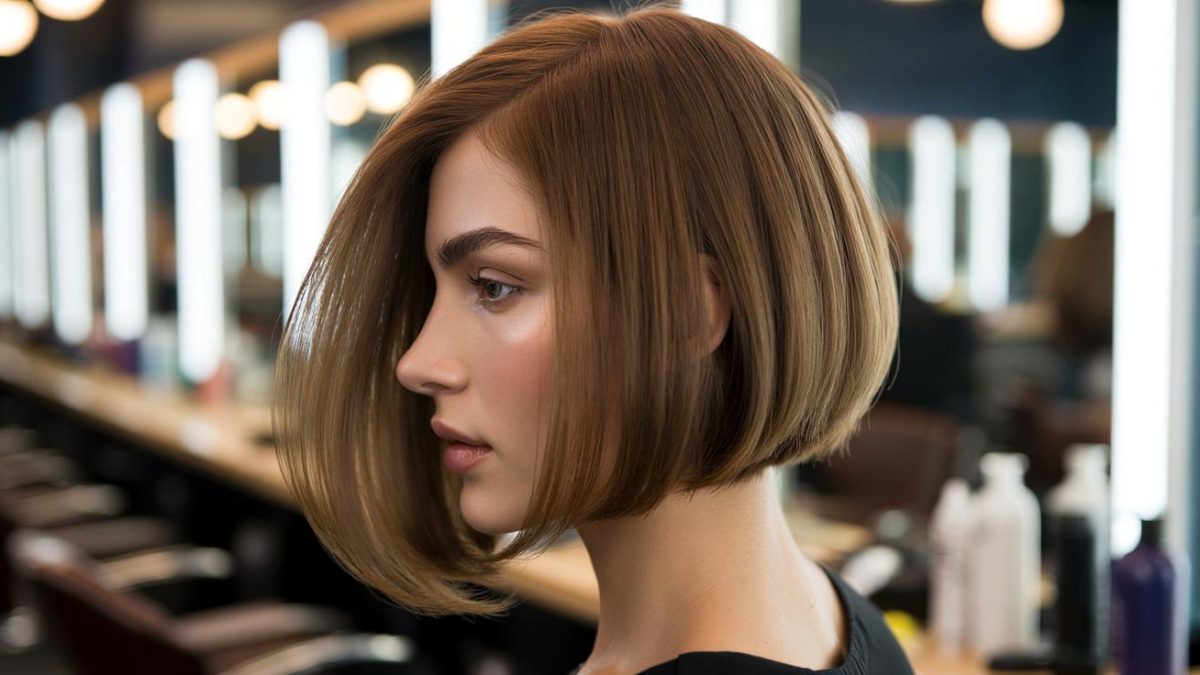
The fashion world constantly evolves, and hair trends follow suit. While blunt bobs dominated the aesthetic landscape for years, offering a chic and minimalist appeal, they’re increasingly revealing their limitations—especially for those with fine or thin hair. As temperatures drop and we transition into autumn and winter styling, a revolutionary approach is gaining momentum among professional stylists worldwide. This shift marks a significant departure from the one-dimensional, heavy-looking cuts that often weigh down delicate hair strands.
The Problem with Traditional Blunt Bobs
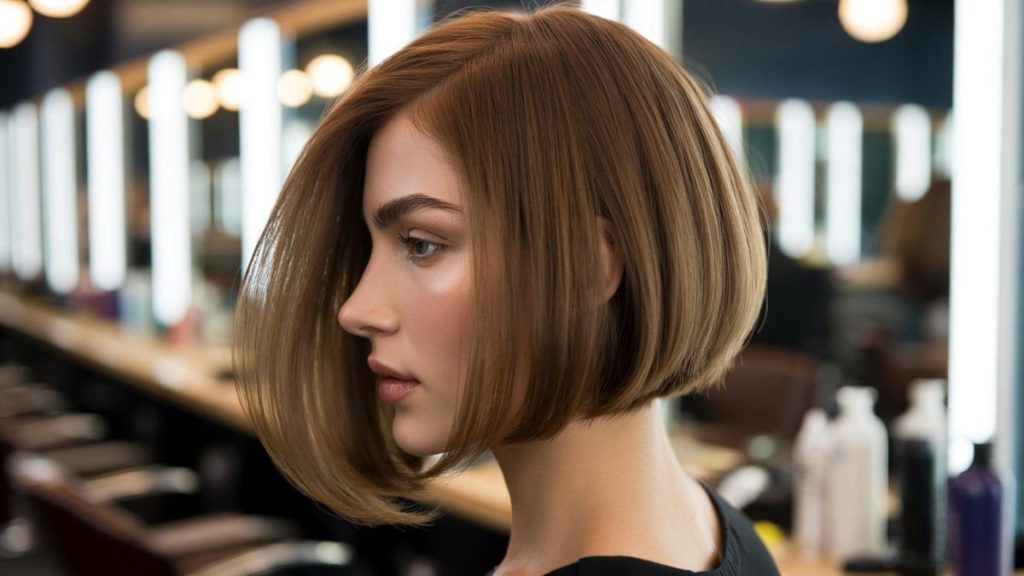
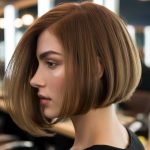
Blunt bobs have long been synonymous with sophistication and clean lines. However, this geometric precision comes at a cost, particularly for individuals with fine hair texture. The flat, uniform length creates a dense perimeter that emphasizes hair density rather than creating the illusion of fullness. When hair strands are naturally thin, the weight concentration at the bottom of a blunt cut can actually make hair appear flatter and less voluminous.
Additionally, blunt bobs require significant styling effort to maintain their structured appearance. They demand regular blow-drying with round brushes, frequent trims to preserve sharp edges, and often rely on volumizing products to achieve any sense of dimension. For busy individuals or those with naturally fine hair struggling to maintain thickness, this styling routine becomes tedious and often counterproductive.
The psychological impact shouldn’t be overlooked either. When a hairstyle requires constant intervention to look presentable, it undermines confidence rather than building it. Fine-haired individuals frequently report feeling disappointed when their blunt bob falls flat despite rigorous styling efforts.
Understanding Fine Hair Needs
Fine hair possesses unique characteristics that demand specialized approaches. Individual strands have smaller diameters than medium or thick hair, making them more susceptible to breakage and prone to appearing limp. The scalp’s natural oils spread more easily across fine strands, often resulting in hair that looks greasy faster than other hair types.
Volume, therefore, becomes the holy grail for those with fine hair. Not the artificial, product-dependent volume, but genuine dimension created through strategic cutting techniques. This is where the modern alternative to blunt bobs shines brilliantly.
The Rise of Textured Layers
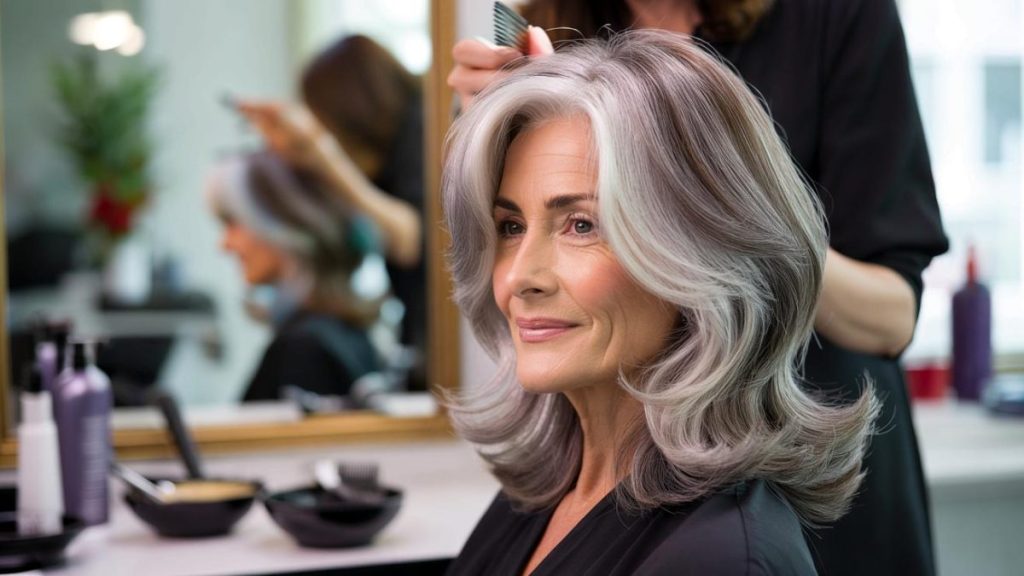
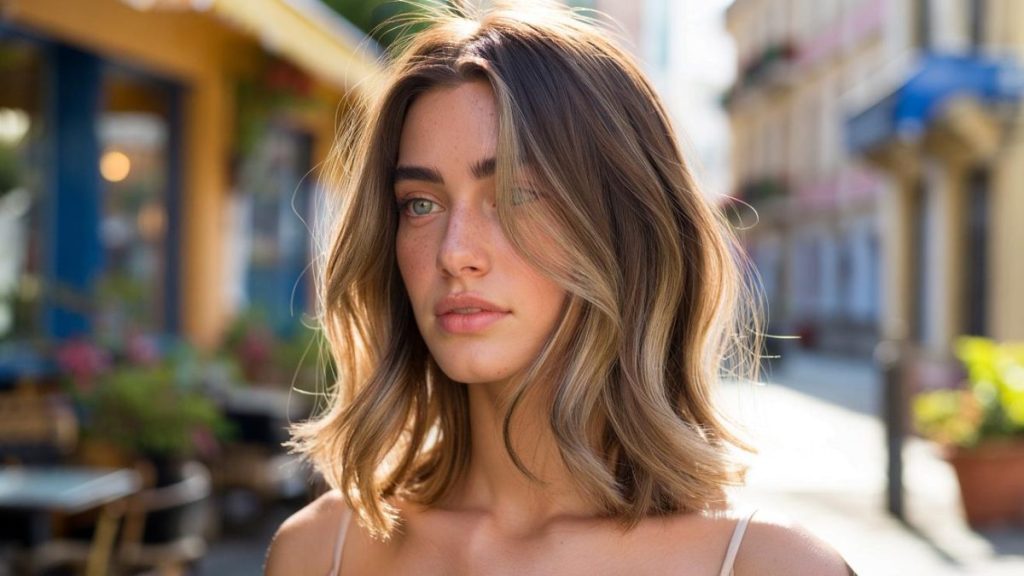
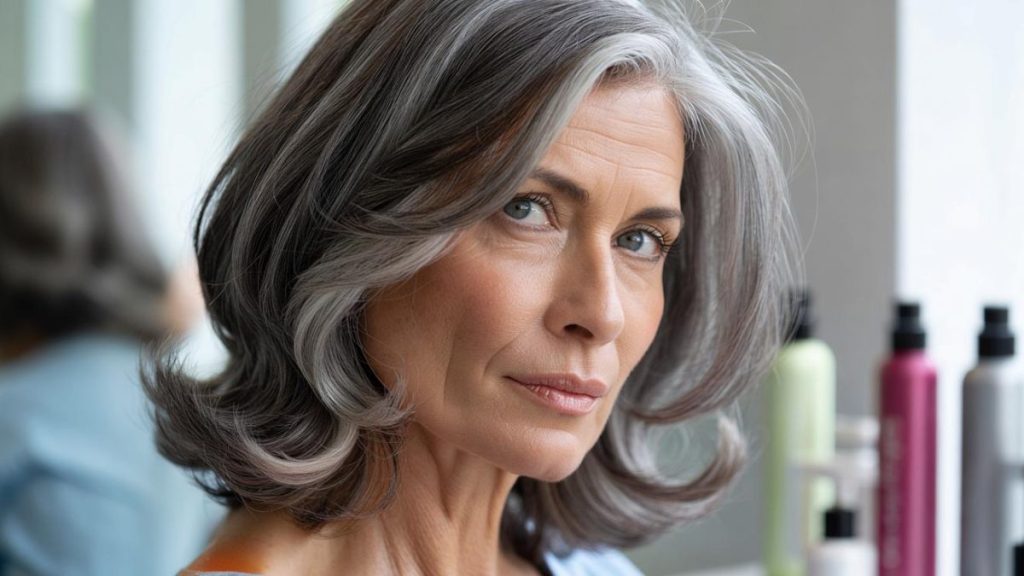
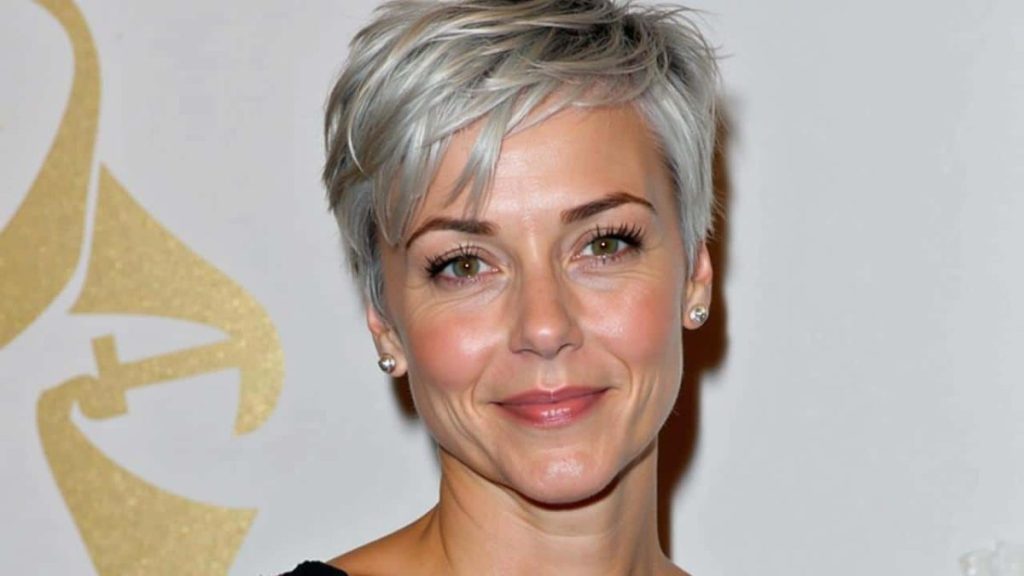
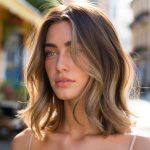
Contemporary stylists are championing a sophisticated alternative: precision-cut layers with intentional texture. Rather than maintaining uniform length throughout, this approach involves removing strategic sections of hair to create movement and reduce bulk. The result is a silhouette that appears fuller, more dynamic, and infinitely more manageable.
Textured layers work by creating multiple points of interest throughout the hair structure. When light hits these varying lengths, it reflects differently across the head, creating an illusion of increased volume. This optical trick is particularly effective for fine hair, where actual density might be limited but visual fullness can be expertly engineered.
The beauty of this approach lies in its versatility. Layers can be customized based on face shape, personal style preferences, and specific hair concerns. A skilled stylist can create anything from subtle, barely-there texture to more dramatic, choppy layers depending on individual needs.
Why Professional Stylists Are Making the Switch
Experienced hair professionals recognize that one-size-fits-all approaches no longer satisfy modern clients. The textured layer alternative addresses multiple concerns simultaneously: it provides volume, requires less intensive styling, allows for various styling options, and importantly, it flatters fine hair rather than fighting against its natural characteristics.
From a practical standpoint, layered cuts are more forgiving between salon visits. While blunt bobs demand precision trims every four to six weeks, textured layers maintain their appeal as they grow out. The lack of a definitive hemline means minor growth isn’t immediately obvious, reducing styling anxiety.
Furthermore, stylists appreciate how this technique allows them to showcase their technical expertise. Creating cohesive layers that work together to enhance volume requires knowledge of hair structure, cutting angles, and styling principles that elevate the craft beyond basic geometric shapes.
Styling and Maintenance Benefits
One of the most compelling advantages of textured layers is simplified styling. Fine-haired individuals can often achieve attractive results with air-drying or minimal heat styling. A quick tousle with fingers, lightweight texturizing spray, or sea salt spray creates that effortlessly tousled aesthetic everyone desires.
For those who prefer blow-drying, the layered structure works with you rather than against you. Sections dry faster, round brushing becomes easier, and the natural movement of the cut helps distribute volume more evenly across the head.
Product application also becomes more strategic. Rather than needing heavy volumizers applied to the entire head, individuals can target root areas and specific sections, using less product overall while achieving better results. This approach suits fine hair perfectly, as heavy product buildup is a constant concern.
Finding the Right Stylist
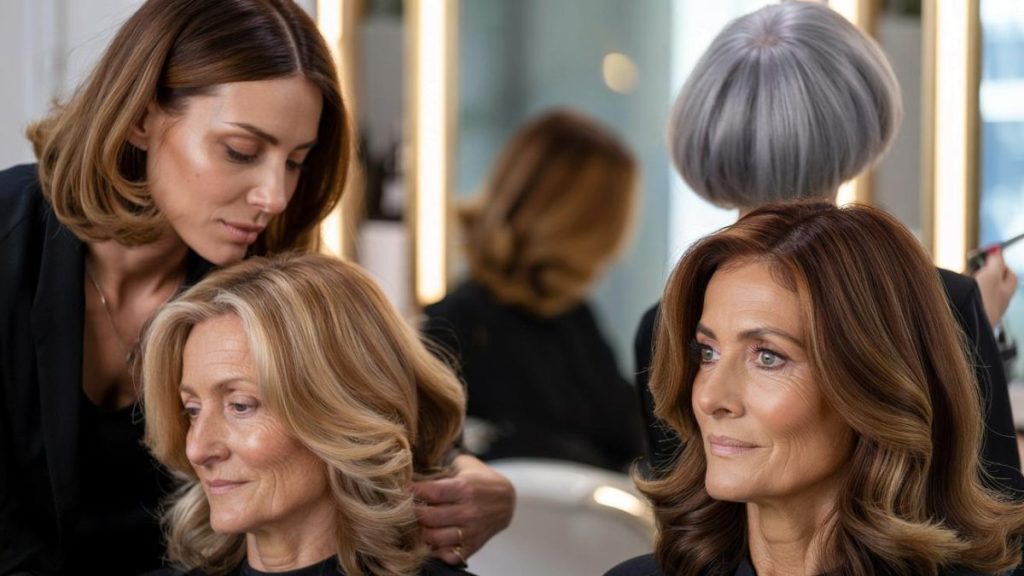
The success of this trend depends heavily on finding a stylist who understands fine hair and possesses strong technical skills. Not all stylists are equally equipped to execute layered cuts that genuinely enhance rather than compromise hair quality. When consulting with a potential stylist, discuss specific concerns about volume and ask to see portfolio examples of textured cuts on similar hair types.
Communication is essential. Bring reference images and be specific about desired length, texture intensity, and styling preferences. A good stylist will ask questions about your daily routine, styling habits, and styling goals before recommending a specific approach.
The Seasonal Advantage
As colder months approach, this timing is perfect for transitioning away from blunt bobs. Winter hairstyles benefit from added dimension and movement, both naturally provided by textured layers. Additionally, the contrast between the season’s heavier clothing and softer, more delicate hair shapes creates beautiful visual balance.
Conclusion
The departure from blunt bobs represents a maturation in hairstyling philosophy. Rather than imposing geometric standards on diverse hair types, modern stylists are customizing approaches to work with individual hair characteristics. For those with fine hair seeking genuine volume and easier styling, textured layers offer a transformative solution that looks effortlessly beautiful while requiring less daily effort. This season, consider embracing this evolution and discovering how strategic cutting can revolutionize your relationship with your hair.



Leave a Comment