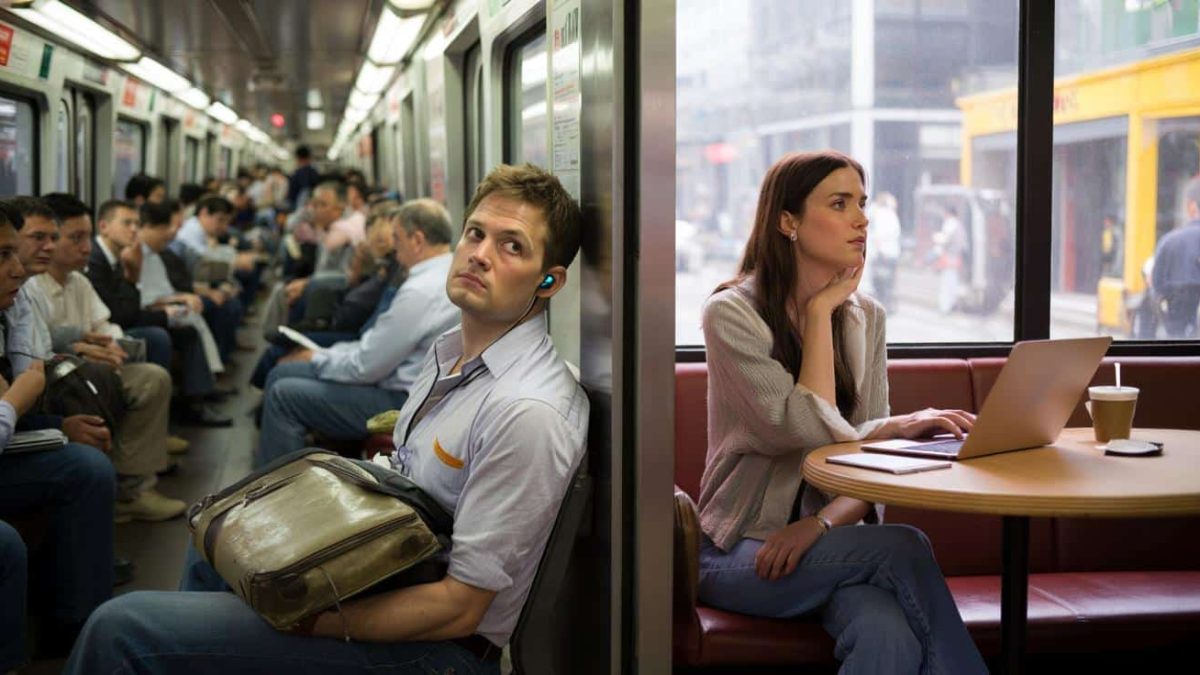
The traditional 9-to-5 job has long been considered the gold standard of employment—a stable, predictable path that offered security and benefits. Yet today’s workforce is witnessing a seismic shift. A growing number of professionals are abandoning their corner offices and cubicles in favor of alternative career models that promise greater autonomy, flexibility, and earning potential. This transformation isn’t merely a reaction to pandemic-era disruptions; it represents a fundamental reshaping of how people envision their professional futures.
The Rise of the Digital Creator Economy
One of the most compelling alternatives to traditional employment is the digital creator economy. Content creators, influencers, and digital artists are now building six and seven-figure incomes by producing material across platforms like YouTube, TikTok, Instagram, and specialized communities. This isn’t limited to entertainment; educational content creators, technical reviewers, and niche experts are establishing themselves as authorities while maintaining complete creative control.
What makes this path particularly attractive is the democratization of tools. A decade ago, broadcasting to millions required expensive equipment and studio access. Today, a smartphone and internet connection are sufficient to launch a successful creative career. Revenue streams have evolved too—from ad revenue and sponsorships to affiliate marketing, digital products, and direct audience support through platforms like Patreon and Substack.
The appeal extends beyond income potential. Digital creators report higher job satisfaction because they work on projects they’re genuinely passionate about. There’s no corporate bureaucracy, no performance reviews conducted by people unfamiliar with their work, and no arbitrary limitations on earning based on job grade or tenure.
Freelancing and Project-Based Work Transform Employment
Freelancing has evolved from a precarious gig reserved for desperate workers to a legitimate, thriving career model. Platforms like Upwork, Fiverr, and specialized marketplaces have created global opportunities for writers, designers, programmers, marketers, and consultants. What’s particularly significant is the shift toward higher-value project work rather than simple task-based gigs.
Many freelancers now earn substantially more than they would in traditional roles because they can work with multiple clients simultaneously, adjust their rates based on experience, and choose projects aligned with their expertise and interests. The flexibility allows professionals to pursue continuous learning, take on challenging projects that traditional employment might not offer, and maintain better work-life balance.
This trend has legitimized portfolio-based careers. Rather than climbing a predetermined corporate ladder, professionals build their reputation through completed work, client testimonials, and demonstrated expertise. Companies increasingly value this transparent metric of competence over years spent in a specific role.
The Digital Service Business Boom
Beyond individual freelancing, many professionals are launching service-based businesses that leverage their expertise. Virtual assistants, social media managers, SEO consultants, business coaches, and digital marketers are building sustainable, scalable businesses without the overhead of physical office space or large teams.
These micro-entrepreneurs typically work from home, manage their own schedules, and retain significantly more of their earnings compared to traditional employment. The barrier to entry is low—requiring mainly marketing savvy and specialized knowledge rather than significant capital investment. As these businesses mature, owners can delegate tasks, hire contractors, and create recurring revenue streams that provide income even during vacation periods.
Online Education and Skills-Based Platforms
The explosion of online learning has created career opportunities previously impossible. Instructors on platforms like Udemy, Teachable, and Skillshare can create courses once and earn passive income indefinitely. Subject matter experts—from software developers to fitness trainers to business strategists—are monetizing their knowledge at scale.
Similarly, tutoring and specialized coaching have moved online. Professionals can work with students or clients globally without geographic limitations. A language teacher in Argentina can serve students in Japan; a business consultant in London can advise startups across the United States. This geographic arbitrage combined with genuine expertise creates powerful earning opportunities.
The Subscription and Membership Model
Direct subscriber models have enabled creators and service providers to establish predictable, recurring revenue. Newsletter writers, podcast producers, and community builders are sustaining full-time careers through subscription income, which provides stability without employer dependency.
This model also fosters genuine community. Rather than serving an employer’s shareholders, creators can build relationships with supporters who directly value their work. This alignment of interests often leads to better work quality and stronger professional satisfaction.
Why This Shift Is Accelerating
Several factors drive this transition away from traditional employment. Technological advancement has eliminated the necessity of physical presence for most knowledge work. The pandemic normalized remote work, proving that professionals could be equally productive outside office environments. Simultaneously, younger generations prioritize flexibility, purpose, and work-life balance over job security, which traditional employers increasingly struggle to provide.
Economic shifts matter too. Traditional employment benefits—pensions, healthcare, job security—have diminished significantly. This makes the trade-off between stability and autonomy less compelling. Meanwhile, the gig economy has matured; benefits platforms and financial tools now address concerns that once made traditional employment seem necessary.
Challenges of Alternative Career Paths
This transition isn’t without challenges. Income variability, lack of employer-provided benefits, self-directed professional development, and the psychological burden of self-promotion can be taxing. Success requires discipline, marketing ability, and financial planning. Not everyone thrives with the autonomy and responsibility these paths demand.
Additionally, the alternative economy favors those with initial financial cushions, marketing skills, or existing networks. People from disadvantaged backgrounds may struggle more to establish themselves in these fields without traditional employer support.
The Future of Work
The workplace is unlikely to return to pre-2020 norms. Instead, we’re witnessing the emergence of a hybrid economy where traditional employment coexists with digital entrepreneurship, freelancing, and creator work. Companies are adapting by offering flexible arrangements and remote options to compete for talent. Simultaneously, platforms continue improving tools and protections for independent workers.
The 9-to-5 job isn’t disappearing, but it’s no longer the default path or the assumed marker of professional success. Today’s professionals have unprecedented opportunities to design careers aligned with their values, skills, and aspirations. Whether as digital creators, freelancers, service providers, or educators, the alternative paths are proving not just viable, but often superior to traditional employment in flexibility, earning potential, and personal fulfillment. The question facing professionals today isn’t whether alternatives to traditional jobs exist—it’s whether the traditional model can survive their rapid rise.










Leave a Comment