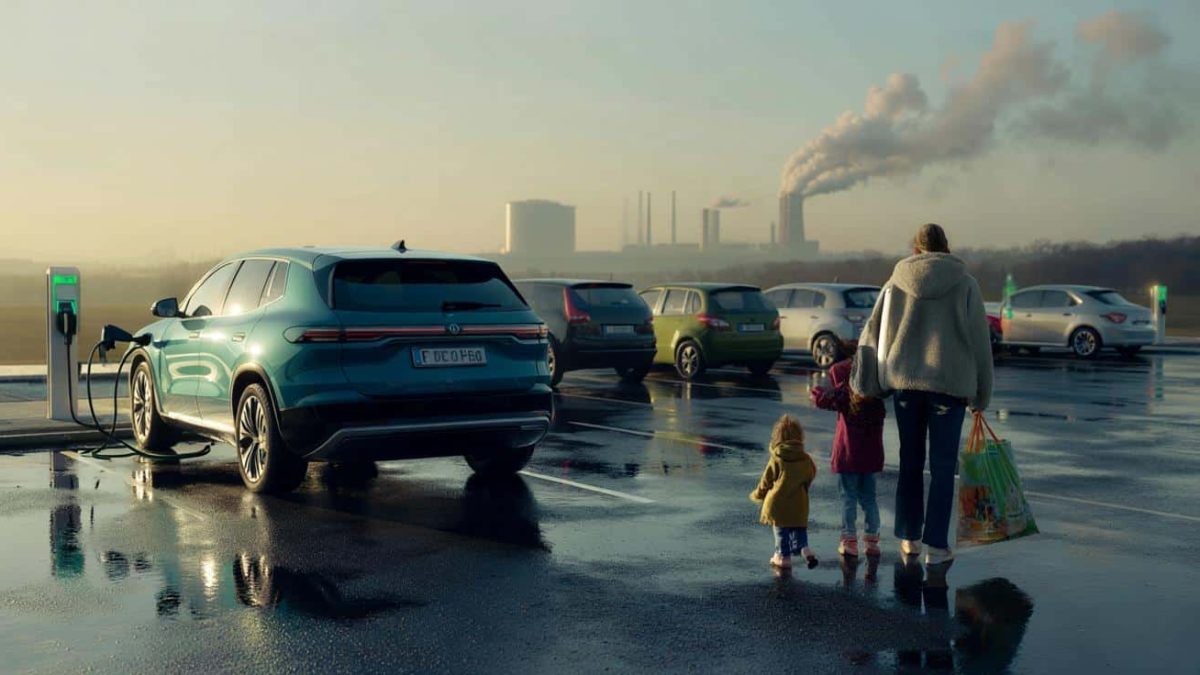
The electric vehicle revolution promised to solve our transportation pollution crisis. Yet a recently published report has sent shockwaves through the automotive and environmental sectors, challenging the fundamental assumption that electric vehicles are inherently cleaner than traditional diesel engines. The study suggests that when examining the complete lifecycle of these vehicles—from manufacturing through disposal—some EVs actually generate more cumulative pollution than their diesel counterparts.
Understanding the Lifecycle Pollution Equation
When most consumers evaluate vehicle environmental impact, they focus exclusively on tailpipe emissions. This perspective is incomplete. The total environmental burden of any automobile encompasses several critical stages: raw material extraction, manufacturing, transportation, operational use, and eventual recycling or disposal. The controversial report shifts attention to these often-overlooked phases of the production cycle.
The manufacturing phase emerges as a pivotal factor in this analysis. Producing an electric vehicle battery requires extensive energy investment and involves extracting rare earth minerals and lithium from environmentally sensitive regions worldwide. Mining operations in South America and Southeast Asia frequently generate substantial local pollution, water contamination, and ecosystem disruption that rarely factor into consumer purchasing decisions.
The Manufacturing Footprint Question
Battery production represents approximately 40 percent of an EV’s manufacturing emissions. A typical electric vehicle containing a 75-kilowatt-hour battery requires significant electrical input during assembly. In regions where electricity comes predominantly from fossil fuel sources, this manufacturing carbon debt becomes substantial. Some analyses suggest an EV produced in coal-heavy regions may need to operate for five to eight years before offsetting its production emissions advantage over a comparable diesel vehicle.
The report’s authors emphasize that electricity grid composition varies dramatically across geographic regions. An EV manufactured and primarily operated in a country with abundant renewable energy demonstrates environmental benefits almost immediately. Conversely, the same vehicle produced and used in regions dependent on coal power tells a different environmental story entirely.
Operational Efficiency and Real-World Performance
While charging from renewable sources makes EVs demonstrably cleaner during operation, the transition to clean electricity grids remains incomplete globally. Current electricity grids still rely heavily on natural gas, coal, and nuclear power in many developed nations. This reality complicates the environmental narrative. An electric vehicle charged primarily from coal-generated electricity performs less impressively when compared to a modern diesel engine meeting current emissions standards.
Diesel technology advancement deserves mention in this discussion. Contemporary diesel engines incorporate sophisticated emissions control systems including selective catalytic reduction and diesel particulate filters. These innovations dramatically reduce harmful nitrogen oxides and particulate matter compared to earlier diesel generations. The environmental gap between clean diesel and electric vehicles narrows considerably when comparing modern technology to modern technology, rather than EVs to outdated diesel baselines.
Examining the Research Methodology
Scientific scrutiny of the controversial report reveals important context. The study assumptions regarding electricity grid composition, manufacturing location, vehicle lifespan, and driving patterns significantly influence outcomes. Reports featuring alarming conclusions often make pessimistic assumptions about grid decarbonization timelines or conservative estimates about EV driving ranges and efficiency improvements.
Different research institutions consistently produce varying conclusions when analyzing identical questions using different methodologies. Some studies assume rapid renewable energy adoption and improved battery production efficiency. Others build pessimistic scenarios expecting slower transition timelines. Both approaches contain validity but reflect different underlying assumptions about technological progress and policy implementation.
The Transportation Sector’s Broader Context
Focusing exclusively on EVs versus diesel vehicles overlooks the larger transportation pollution picture. Public transit systems, cycling infrastructure, and reduced vehicle dependency create more significant environmental benefits than individual vehicle choices alone. Urban planning decisions influencing commuting patterns ultimately impact overall transportation pollution more than debates between fuel types.
Additionally, the complete vehicle lifecycle extends beyond manufacturing and operation. Vehicle weight affects efficiency significantly. Heavier EVs require more energy per mile traveled compared to lighter vehicles, whether electric or diesel-powered. This reality favors compact, efficient designs over large SUVs regardless of powertrain type.

The Question of Sourcing and Responsibility
Mining practices for EV battery materials frequently occur in developing nations with limited environmental regulations. Battery manufacturers source lithium, cobalt, and nickel from operations that may generate local environmental devastation disproportionately affecting vulnerable communities. This ethical dimension extends beyond simple pollution calculations into questions of environmental justice.
Diesel vehicle components, by contrast, originate primarily from established industrial infrastructure in regulated nations with stronger environmental enforcement. While not necessarily cleaner in absolute terms, diesel manufacturing operates within stricter environmental frameworks, creating different accountability structures.
What the Evidence Actually Demonstrates
Honest assessment of available research reveals nuanced truth: electric vehicles demonstrate clear environmental advantages in regions with renewable-heavy electricity grids, particularly when operating for extended vehicle lifespans. In regions dependent on fossil fuel electricity generation, advantages diminish or potentially reverse depending on specific assumptions.
The controversy surrounding recent reports often stems from legitimate scientific disagreement rather than outright deception. Researchers apply different assumptions about technology timelines, grid transformation speeds, and manufacturing improvements. These varying approaches yield different conclusions addressing identical questions.
The Path Forward
The transportation industry’s environmental future depends less on choosing between existing technologies and more on accelerating systemic change. Decarbonizing electricity grids provides benefits across all electric-powered systems simultaneously. Improving manufacturing efficiency helps every industry sector. Supporting public transportation reduces overall vehicle dependency regardless of powertrain type.
Rather than accepting simplistic claims that either EVs or diesel vehicles represent environmental solutions, evidence-based policy should embrace complex reality. Continued innovation in battery technology, expanded renewable energy infrastructure, and thoughtful urban planning collectively create meaningful environmental improvement. Individual technology choices matter less than comprehensive systematic transformation across energy, manufacturing, and transportation sectors.











Leave a Comment