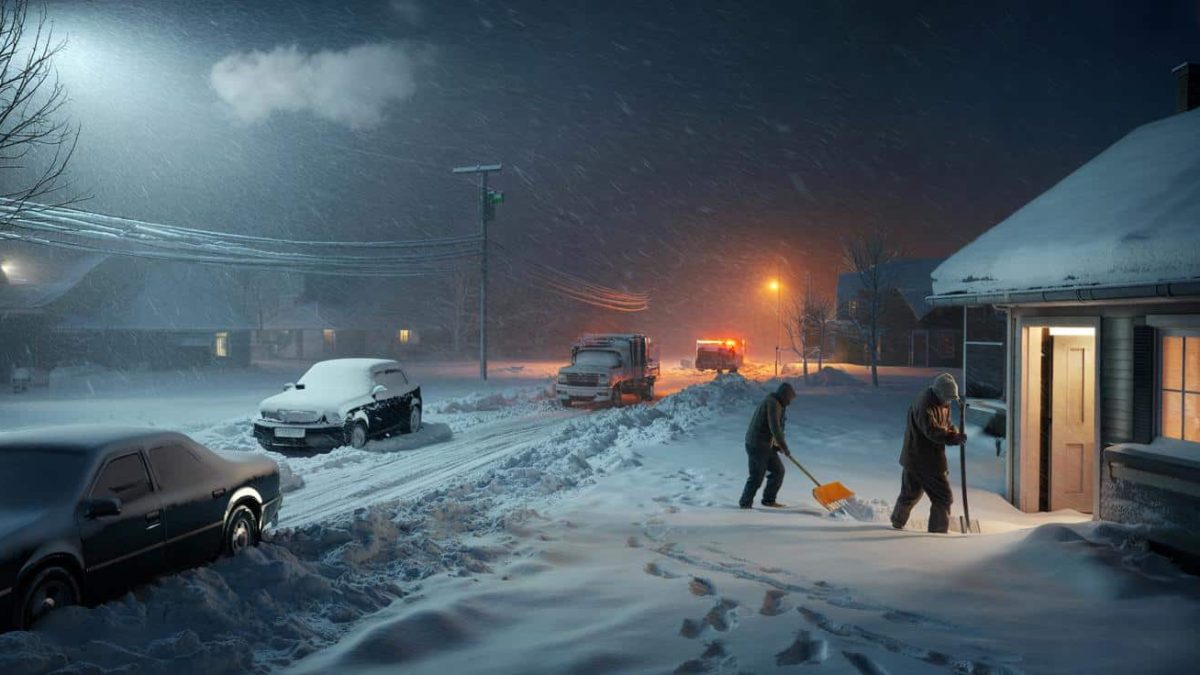
The silence was deafening. The usual hum of traffic and distant sirens had vanished, replaced by the eerie whistle of the wind pushing dry snowflakes sideways down the deserted streets. What began as a standard winter weather alert had evolved into something far more ominous—a stalled storm system with no clear end in sight. This scenario plays out across different regions each winter, leaving communities grappling with extended hazardous conditions that test both infrastructure and human resilience.
The Science Behind Stalling Storm Systems
When meteorologists issue a winter storm warning accompanied by language about a system potentially stalling, they’re describing a phenomenon that fundamentally changes how dangerous a weather event becomes. Unlike typical winter storms that move through a region relatively quickly—usually within 12 to 24 hours—a stalling system settles over an area, continuously dumping precipitation while winds remain strong and temperatures plummet.
This happens when the atmospheric conditions that normally push weather systems eastward become disrupted. High-pressure systems that typically steer storms along predictable paths weaken or shift direction, allowing a low-pressure system to essentially park itself over a particular region. Think of it like traffic congestion on a highway: instead of cars flowing smoothly past an exit, they bunch up and remain stationary, creating gridlock that persists far longer than anyone anticipated.
The implications are significant. A storm that might deposit 8-12 inches of snow while moving through could drop 18-30 inches or more if it stalls. Wind speeds don’t necessarily increase, but their duration becomes exponentially more problematic. Drifting snow accumulates to dangerous heights, visibility drops to near-zero conditions, and the psychological toll of unrelenting harsh weather begins affecting decision-making.
Why These Warnings Matter More Than Standard Alerts
Standard winter weather watches and warnings alert people to prepare for difficult conditions. A stalling storm warning carries additional urgency because it’s telling residents that normal preparation timelines may be insufficient. This isn’t just about stocking up on groceries and ensuring you have heating fuel—it’s about mentally and logistically preparing for conditions that might persist for 48, 72, or even 96 hours straight.
Emergency management officials take these warnings seriously because stalled systems have historically caused some of winter’s most significant impacts. The 1996 Blizzard of ’96 created conditions where a stalling low-pressure system dropped record snowfall across multiple northeastern states. More recently, atmospheric rivers and unusual jet stream patterns have created scenarios where winter storms essentially camp out over regions, creating snow totals that exceed initial forecasts by 50 percent or more.
Communities need additional time to position emergency resources, pre-treat roadways, ensure hospitals have backup power, and communicate evacuation routes. Schools need to decide whether to close not just for one day but potentially multiple consecutive days. Public works departments must arrange for additional equipment and personnel. These preparations require advance notice that only comes from understanding the specific threat a stalling system poses.
The Cascading Effects on Daily Life
When a winter storm stalls, the consequences ripple far beyond snow-covered streets. Transportation networks grind toward paralysis as roads become impassable. What might have been a manageable commute in a slower-moving system becomes impossible. Hospitals report surges in weather-related injuries from people attempting to navigate dangerous conditions they underestimated.
Utilities experience heightened demand for heating power, sometimes leading to rolling blackouts if the extended duration of extreme cold strains capacity. Grocery stores see shelves emptied by shoppers who recognize they may not be able to leave home for several days. Isolation becomes real, particularly for elderly residents or those with medical conditions requiring regular supplies or appointments.
The mental health impact shouldn’t be underestimated. Day one of a storm feels like an adventure. Day two becomes monotonous. Day three creates genuine concern about supplies and normalcy. Extended periods of being housebound, combined with reduced daylight and relentless weather, can trigger anxiety and depression in vulnerable populations.
Preparation Strategies for Stalled Storm Events
Understanding the specific threat of a stalling system allows for targeted preparation. Rather than the generic winter weather kit most people assemble, stalled storm preparedness requires thinking about extended duration scenarios.
Stock supplies for at least a week indoors. This includes medications, food that doesn’t require cooking (in case power is lost), bottled water, batteries, flashlights, and first-aid supplies. Ensure vehicles are winterized with full tanks, jumper cables, blankets, and emergency kits. Review home heating systems well before winter arrives—don’t wait for a stalled storm warning to discover your backup heat source doesn’t function.
Establish communication plans with family members, particularly those who live alone or in assisted living facilities. Create a neighborhood support network before the crisis hits. Identify vulnerable individuals who may need checking on during the event. Have entertainment options available for children—board games, books, and craft supplies occupy time during extended confinement.
What Meteorologists Watch For
Weather forecasters begin noticing stalling potential days in advance by examining upper-level atmospheric patterns. They monitor jet stream positioning, high and low-pressure systems, and moisture content in the atmosphere. Computer models run repeatedly, with each new data cycle either confirming or adjusting the possibility of a system stalling.
When confidence in a stalling scenario increases, the language in warnings changes. Instead of simply forecasting snowfall amounts, meteorologists highlight the timing and duration potential. This precision in communication helps emergency managers and residents understand they’re facing an extended event rather than a traditional weather system.
Moving Forward Through Winter
Winter will always bring storms, and climate patterns will continue creating unusual atmospheric conditions that occasionally allow systems to stall. The key is building community awareness and individual readiness. When forecasters warn of a potentially stalling storm, they’re giving people the gift of advance notice—time to prepare mentally and logistically for an extended challenge.
Taking these warnings seriously, making realistic preparations, and maintaining situational awareness during the actual event transforms what could be a crisis into a manageable, if unpleasant, experience. The eerie silence of a snow-covered street during a stalled storm can either feel like isolation or peaceful solitude, depending largely on how well prepared you are to weather it.








Leave a Comment