When the Bafta nominations dropped this week, one film’s rise barely registered as surprising: One Battle After Another dominated with 14 nods, making it the most-nominated title ahead of the 2026 British Academy Film Awards.
Paul Thomas Anderson’s sprawling story often described as a countercultural parable reflects anxieties and divisions that feel particularly close to the surface right now. Its prominence in the voting suggests Bafta members found something in it that resonates not just with critics, but with the wider concerns of 2026 audiences.
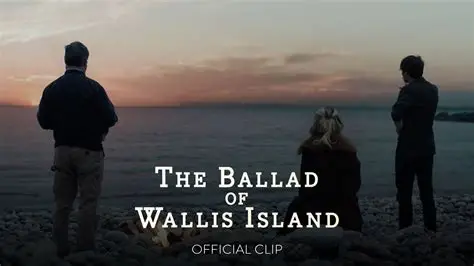
Still, amid all the deserved attention for that film’s achievement, there’s a growing chorus of appreciation for The Ballad of Wallis Island, a smaller British picture that nevertheless managed to earn three nominations.
A Frontrunner That Mirrors the Times
One Battle After Another’s 14 nominations make it the leading contender this awards season, just ahead of Sinners with 13. The haul underscores broad support across acting, technical and main categories.
Critics and industry watchers have pointed out that the film’s themes — involving upheaval, identity and conflict — feel relevant against a backdrop of ongoing social and political turbulence.
The Guardian’s film critic noted that the intensity and timing of One Battle After Another “aligns with a queasily appropriate zeitgeist moment,” suggesting that its narrative feels uncomfortably familiar given current global headlines.
That kind of alignment doesn’t guarantee wins on the night, but it does indicate deep engagement from voters.
Why The Ballad of Wallis Island Deserves Attention Too
While it doesn’t have the same number of nominations as One Battle After Another, The Ballad of Wallis Island has quietly earned respect within the British film community.
It picked up nominations in three key categories, including Outstanding British Film and Adapted Screenplay.
The Guardian singled it out as “a lovely, tender film” anchored by Tim Key’s off-beat, heartfelt performance, comparing its charm to classic British fare like Local Hero.
Film lovers and critics on social platforms have also noted its emotional appeal and distinctive voice, describing it as gentle yet memorable — the kind of movie that grows on you long after the credits roll.
That quiet affection for smaller films is part of what makes awards seasons interesting: they’re not just about the biggest titles, but about the stories that stick with viewers in unexpected ways.
Bafta’s 2026 Landscape: More Than a Single Narrative
The nominations make it clear that no single tone defines this year’s awards.
Alongside One Battle After Another and The Ballad of Wallis Island, other films like Sinners, Hamnet and Marty Supreme also earned significant recognition, showing a range of styles and subjects in the running.
For example, Sinners follows an entirely different sensibility, blending genre elements with historical storytelling, which helped it secure its own 13 nominations.
These varied nominations suggest that Bafta voters are embracing both large-scale, politically resonant films and smaller, character-driven works.

Public and Industry Reaction
Reactions from the film community have been mixed but fervent. A popular thread on Reddit captured voices from both sides of the conversation, with some users excited about the range of nominations and others focused on the recognition for British cinema.
Many noted that Bafta’s choices often introduce audiences to films they might otherwise overlook — particularly international or independent titles.
The nominations for The Ballad of Wallis Island have sparked discussions about how awards bodies can spotlight quieter films that don’t dominate box office headlines but resonate deeply with audiences.
What Comes Next for Bafta 2026
With nominations locked, the industry now turns its sights to campaigning and momentum.
Leading up to the awards ceremony on February 22 at London’s Royal Festival Hall, focus will sharpen not just on frontrunners but on how voters balance thematic heft with storytelling craft.
One Battle After Another may be the one everyone’s talking about now, but the small victories — like nominations for The Ballad of Wallis Island — could shape the narrative of the night itself.
Key Facts at a Glance
| Category | Details |
|---|---|
| Event | 2026 Bafta film nominations |
| Location | United Kingdom |
| Date announced | Jan. 27, 2026 |
| Who is affected | Filmmakers, actors, British and international cinema audiences |
| Current status | Nominations released |
| What readers should know | One Battle After Another leads with 14; The Ballad of Wallis Island earns multiple British film nods |
FAQs
What film leads Bafta 2026 nominations?
One Battle After Another leads with 14 nominations.
How many nominations did The Ballad of Wallis Island receive?
It earned three nominations, including Outstanding British Film.
When is the Bafta 2026 ceremony?
The awards are set for February 22, 2026.
Why is One Battle After Another seen as culturally relevant?
Critics say its narrative mirrors current social and political tensions.
Are other films also notable in this year’s nominations?
Yes. Sinners, Hamnet, Marty Supreme, and others received multiple nominations.
Closing
Bafta’s 2026 nominations reflect both the power of a film that feels of-the-moment and the quiet strength of smaller, character-rich work.
While One Battle After Another dominates the early conversation, recognition for films like The Ballad of Wallis Island shows there’s room on the shortlist for different voices and styles.
The upcoming ceremony will reveal how voters balance big themes with the subtler art of storytelling — something both films represent in their own ways.






Leave a Comment