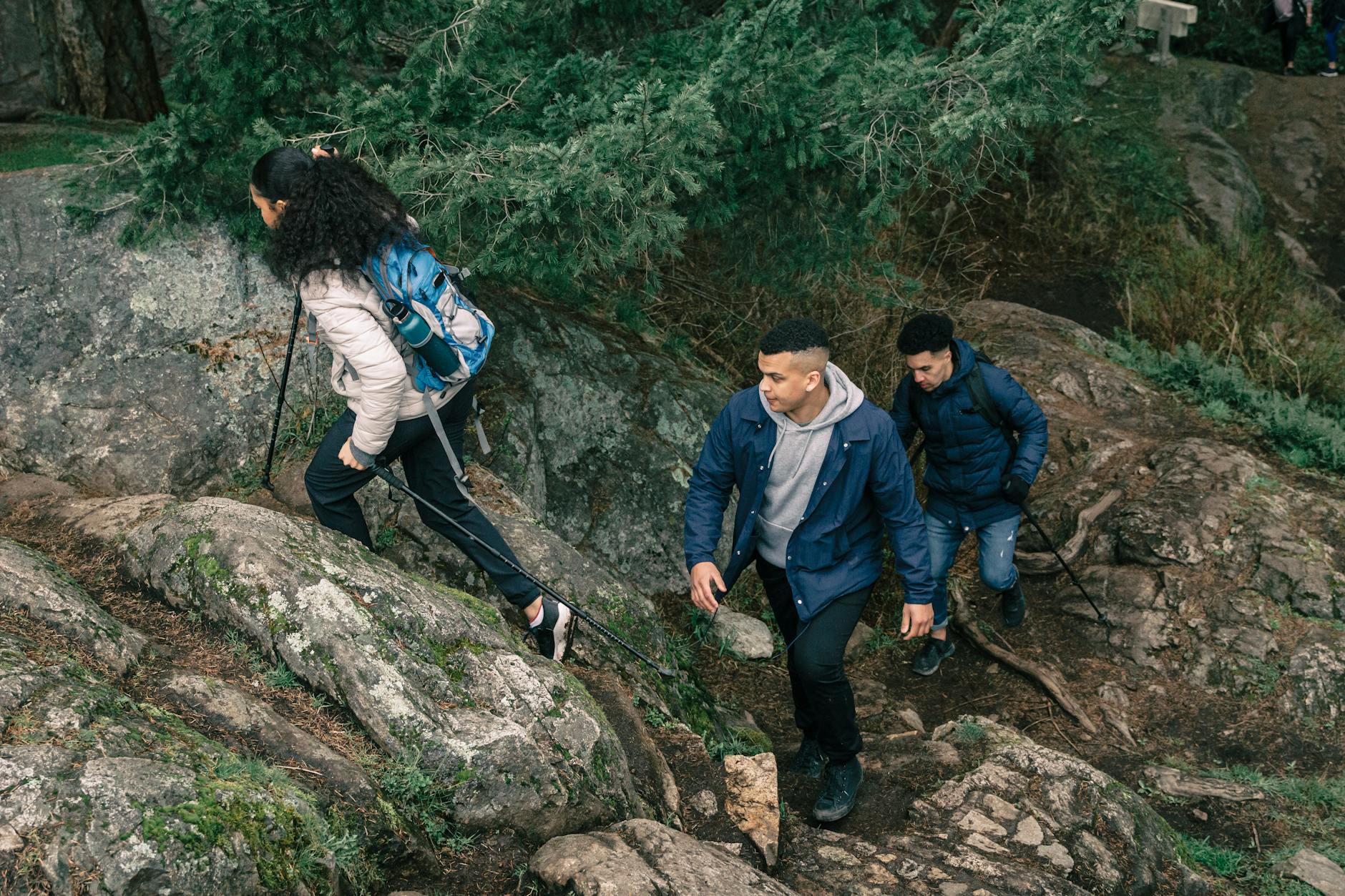
Living in Brownsville, Texas comes with unique geographical advantages, yet many residents overlook the profound health benefits that outdoor activities can provide. While the Bay Area of California boasts world-renowned hiking trails that inspire millions, the principles behind these trails’ popularity offer valuable lessons for anyone seeking to improve their health in South Texas. The question isn’t whether Brownsville has adequate outdoor spaces—it’s whether residents know how to leverage them effectively for lasting wellness.
Understanding the Bay Area Hiking Culture
The Bay Area’s hiking community thrives on accessibility and inclusivity. Trails range from beginner-friendly paths to challenging mountain routes, accommodating diverse fitness levels and abilities. This democratization of outdoor recreation has created a culture where people of all ages and physical conditions feel welcome on the trails. The region’s success stems from clear trail marking, well-maintained pathways, and transparent information about difficulty ratings and required experience levels.
What makes this model particularly relevant for Brownsville is that accessibility doesn’t require mountainous terrain. The Bay Area demonstrates that strategic trail development, community support, and proper information dissemination matter far more than dramatic elevation changes. South Texas residents can apply these principles using local parks, nature preserves, and waterfront areas already available in the region.
The Bay Area also emphasizes inclusivity beyond physical ability. Their hiking community actively welcomes families, elderly individuals, and people recovering from health challenges. This inclusive mindset creates social reinforcement for outdoor activities, making it easier for newcomers to join established communities and maintain consistent exercise routines.
Pet-Friendly Paths: A Gateway to Outdoor Fitness
One of the Bay Area’s greatest contributions to outdoor wellness is the widespread adoption of dog-friendly hiking trails. This simple concept delivers remarkable health outcomes because it addresses a fundamental motivational challenge: consistency. When you’re accountable to a pet that needs daily activity, outdoor exercise becomes non-negotiable rather than optional.
Dog owners who use hiking trails report higher adherence to fitness routines compared to those without pets. The responsibility of pet care creates intrinsic motivation that supplements external goals like weight loss or cardiovascular improvement. For Brownsville residents, implementing more dog-friendly outdoor spaces could unlock this powerful motivational lever.

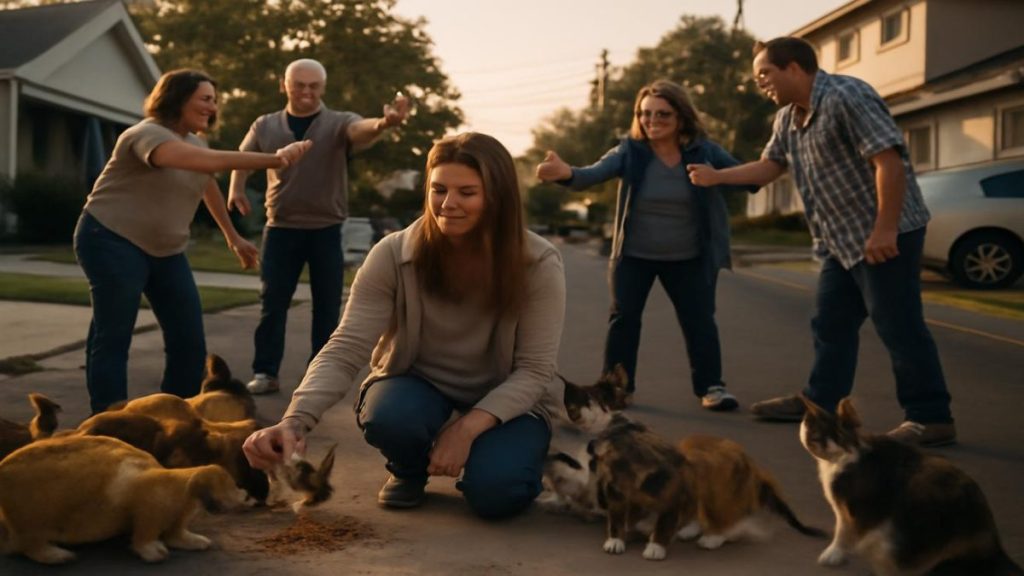
Pet-friendly trails also build social connections. Dog owners naturally interact on trails, creating informal communities that encourage repeat visits and longer stays outdoors. These interactions provide mental health benefits beyond physical fitness, including reduced stress, decreased anxiety, and improved social wellbeing. Brownsville could capitalize on this by designating and promoting dog-friendly routes through local parks and nature areas.
The practical benefits extend to families with children. Walking or hiking with a dog provides young people with positive associations to outdoor activity, potentially establishing lifelong fitness habits. In Brownsville, where childhood obesity rates mirror national trends, pet-inclusive outdoor spaces could serve as preventative health infrastructure.
Trail Accessibility: Making Outdoor Health Achievable
The Bay Area’s success with trail accessibility offers a blueprint that doesn’t depend on terrain. Accessible trails feature gradual elevation changes, firm walking surfaces, rest areas with seating, and clear signage. More importantly, trail information is detailed and honest about difficulty levels, distances, and required experience.
Brownsville can implement similar accessibility standards along existing parks and nature preserves. The Rio Grande Valley’s relatively flat topography actually provides advantages for creating accessible pathways. What’s needed is intentional design and community engagement to identify suitable routes and necessary improvements.
Accessibility considerations also include timing and safety. Well-lit trails, clear parking areas, and emergency contact information make outdoor spaces welcoming to people with varying comfort levels. Women, elderly residents, and those with mobility concerns often require these features to feel confident exploring outdoor areas independently.
Building Consistent Outdoor Habits
Perhaps the most valuable lesson from Bay Area hiking culture is how to establish and maintain consistent outdoor activity habits. The region demonstrates that success requires three key elements: convenient access, clear information, and community support.
Convenience means having quality trails within reasonable distance. Brownsville residents shouldn’t need to drive an hour to access outdoor pathways. Local parks, school properties, and nature areas should be developed as interconnected trail systems. This infrastructure removes the biggest barrier to consistency—the friction involved in planning and traveling to distant locations.
Clear information involves detailed trail maps, difficulty ratings, distance markers, and condition updates. Many people avoid trails because they lack confidence in navigating or assessing whether a route suits their fitness level. Simple improvements like downloadable maps, distance measurements, and user reviews remove these barriers.
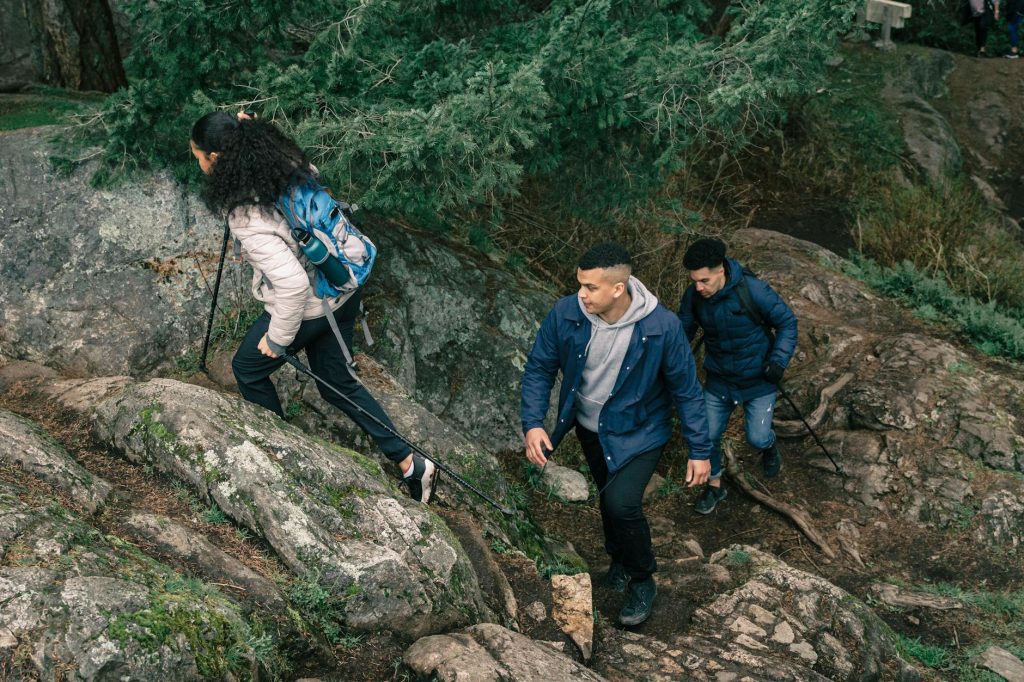
Community support manifests through organized group hikes, social media groups, and public recognition of outdoor achievements. The Bay Area’s hiking clubs attract thousands of members who motivate each other, share route recommendations, and celebrate milestones. Brownsville could develop similar community structures through local organizations, schools, and healthcare providers.
Creating a Brownsville Outdoor Health Movement
Implementing these lessons requires coordination among city planners, parks departments, community organizations, and residents. The good news is that Brownsville already possesses significant assets. South Padre Island, the Rio Grande Valley State Park system, and numerous community parks provide excellent foundations.
Start by conducting a community audit of existing outdoor spaces. Map current trails, identify accessibility gaps, and note opportunities for pet-friendly designations. Engage local residents through surveys about what would motivate outdoor participation. Involve health organizations in identifying health impact metrics and potential partnerships.
Next, develop a community engagement strategy. Create a Brownsville Outdoor Health Coalition that includes parks departments, schools, healthcare providers, environmental organizations, and residents. This coalition can identify priority improvements, coordinate trail development, and launch public awareness campaigns.
Finally, celebrate and promote early wins. As trails improve and community groups organize outdoor activities, share success stories widely. Highlight health improvements, community connections, and lifestyle transformations. These narratives inspire others and demonstrate that outdoor wellness isn’t a luxury—it’s an achievable part of normal community life.
The Long-Term Health Impact
The Bay Area’s hiking culture didn’t develop overnight. It emerged from years of intentional development, community advocacy, and consistent investment. However, the health returns justify the effort. Regular outdoor activity reduces chronic disease rates, improves mental health outcomes, strengthens communities, and enhances quality of life across all demographics.
For Brownsville, adopting these lessons represents an opportunity to transform public health through accessible infrastructure and community engagement. By learning from successful models elsewhere and adapting them to local conditions, South Texas residents can build an outdoor health culture that serves current and future generations. The trails are waiting—it’s time to start walking.









Leave a Comment