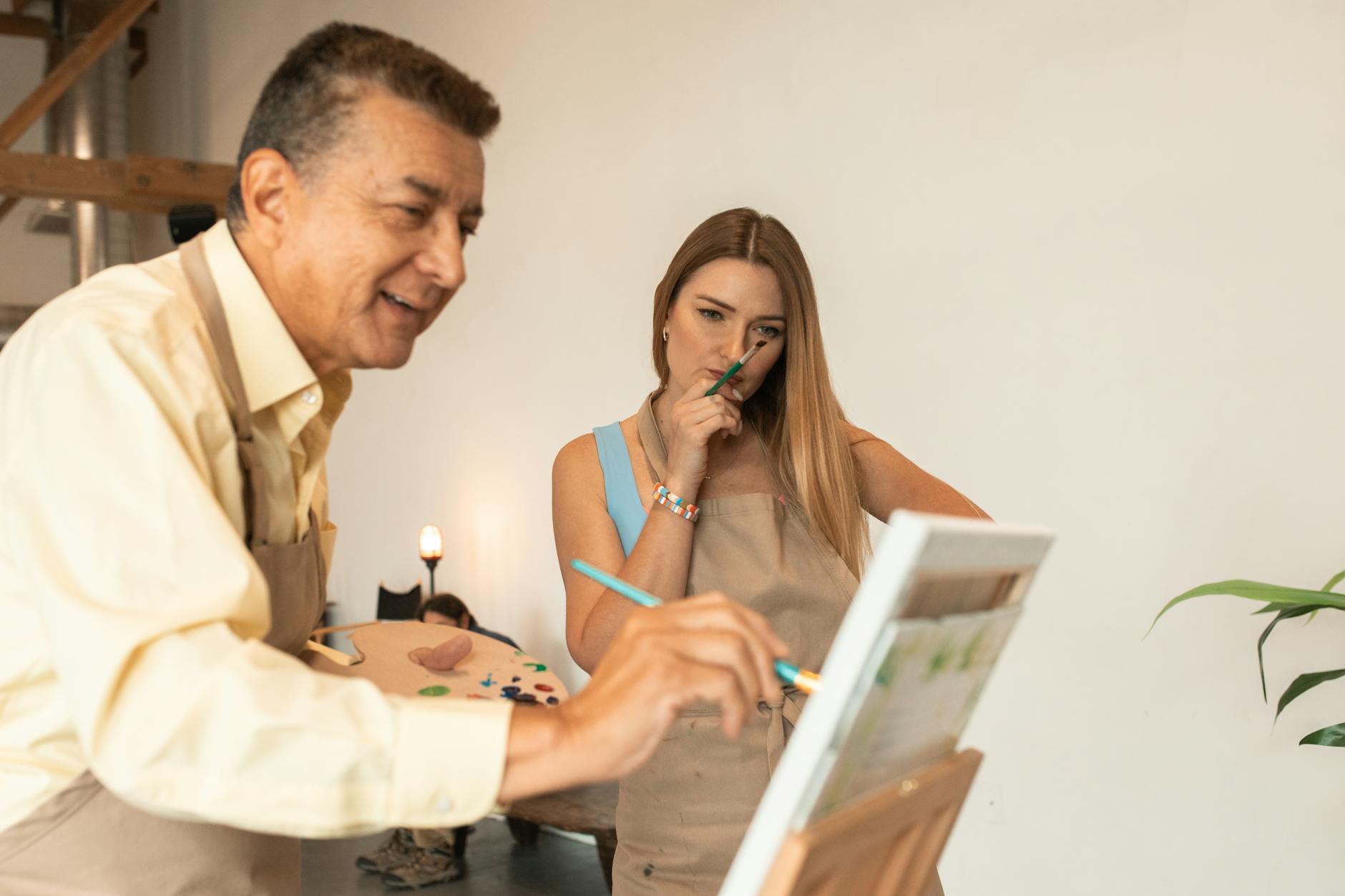
In the heart of Washington, DC, a quiet creative revolution is unfolding. Artist Hetal Anjaria recently conducted an innovative Warli folk art workshop that illuminated the profound connection between ancient artistic traditions and contemporary wellness practices. Participants discovered that engaging with this centuries-old geometric art form offers far more than aesthetic appreciation—it provides a gateway to mental clarity, emotional balance, and meaningful cultural connection.
Understanding Warli: More Than Just Art
Warli art originates from the Warli tribal communities of Maharashtra, India, representing one of the world’s oldest art forms. Unlike other Indian artistic traditions that emphasize elaborate detail and vibrant colors, Warli employs a minimalist approach featuring simple geometric shapes—circles, triangles, and lines—painted in white on earthen backgrounds.
The beauty of Warli lies in its philosophical foundation. Each shape carries meaning rooted in nature and cosmology. Circles represent the sun and moon, triangles symbolize mountains and sacred spaces, and intersecting lines depict interconnectedness. For centuries, Warli artists have used these basic elements to narrate stories of daily life, spiritual beliefs, and seasonal cycles.
What makes Warli particularly relevant for modern wellness practitioners is its inherent meditative quality. The repetitive geometric patterns, combined with the deliberate hand movements required to create them, naturally engage the mind in a state of focused attention—similar to established mindfulness practices.
The Workshop Experience: Creating Space for Reflection
Hetal Anjaria’s workshop approached Warli art not merely as a skill to master, but as a transformative practice. Participants began by learning the historical context of the art form, understanding the cultural significance behind each pattern and technique. This educational foundation proved essential, as it connected attendees to something larger than themselves.
The hands-on portion of the workshop revealed the true therapeutic potential of Warli creation. Using natural pigments and traditional tools, participants attempted to recreate basic geometric patterns. The process was deliberately slow and intentional. Anjaria encouraged artists to focus entirely on the act of creation—the feel of the brush, the texture of the surface, the rhythm of repetitive strokes.
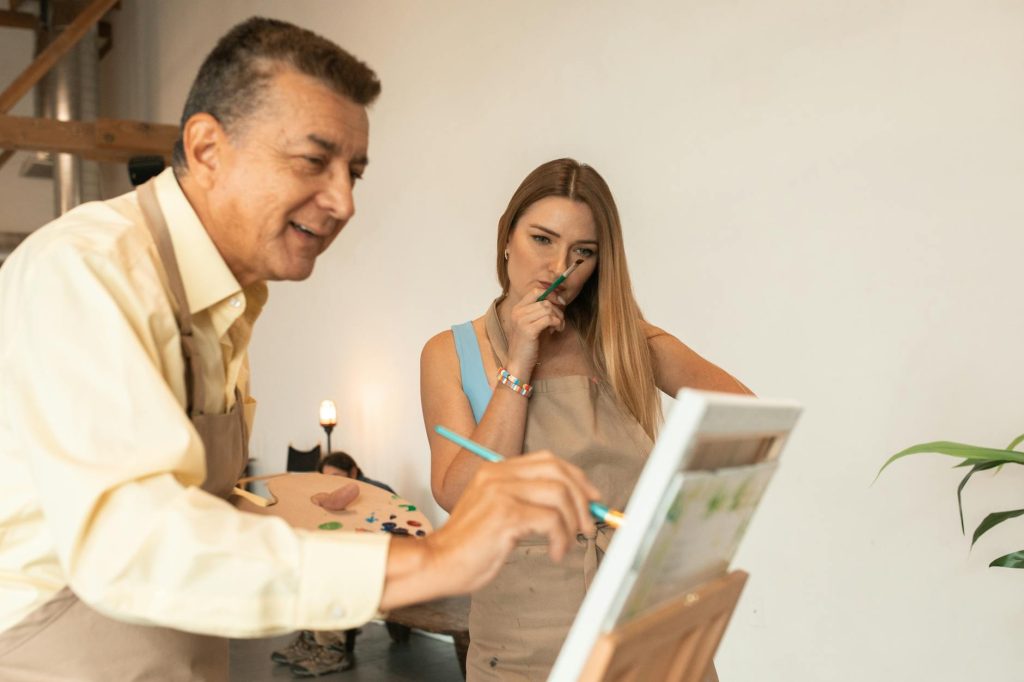
For many DC residents accustomed to fast-paced, screen-dominated lives, this deliberate slowness proved revelatory. One participant noted feeling a sense of calm descend as she completed her first series of concentric circles. Another described the experience as “permission to do something imperfectly, without pressure.”
The Wellness Science Behind the Patterns
The therapeutic benefits participants experienced weren’t merely subjective. Mounting research supports the connection between repetitive artistic practices and improved mental health outcomes. When engaging in patterned creative activities, the brain enters a state characterized by reduced activity in the prefrontal cortex—the region associated with self-criticism and anxiety.
Additionally, the visual properties of geometric patterns themselves have documented calming effects. Symmetrical designs and clean lines naturally reduce cognitive load, allowing the mind to settle into a meditative state. Warli’s mathematical precision creates visual harmony that practitioners and neuroscientists alike recognize as psychologically settling.
For Washington, DC residents navigating high-stress professional environments, political turbulence, and urban intensity, these wellness benefits address genuine mental health needs. The workshop provided a practical tool for stress reduction that doesn’t require apps, subscriptions, or specialized equipment.
Cultural Connection as Healing Practice
Beyond individual wellness, Anjaria’s workshop emphasized a broader wellness dimension: cultural connection. Engaging with indigenous art traditions creates what wellness researchers call “meaning-making”—the human need to connect with something transcending personal concerns.
For many DC workshop participants, especially those from Indian or South Asian backgrounds, Warli art offered a bridge to ancestral heritage. For others, it provided an opportunity to appreciate and respect non-Western artistic traditions, expanding their cultural literacy. Both outcomes contribute to enhanced psychological well-being through increased sense of belonging and purpose.
Anjaria specifically designed her DC workshops to address this dimension. She shared stories of Warli artists, explained the social structures within Warli communities, and discussed how these traditions persist despite historical marginalization. This context transformed the workshop from an art class into a cultural exchange that honored the communities who created and sustained these traditions.
Practical Applications for DC Communities
The implications of this workshop extend throughout Washington, DC’s diverse communities. Mental health professionals recognize the need for accessible, culturally rich interventions. Warli art workshops offer exactly that—low-cost, evidence-supported creative practices rooted in legitimate cultural traditions.
Several DC community centers have already expressed interest in implementing ongoing Warli workshops. Schools recognize the potential for integrating this art form into curricula, offering students a dual benefit: developing artistic skills while enhancing focus and emotional regulation. Corporate wellness programs are exploring how these practices might complement traditional stress-reduction initiatives.
For individuals managing anxiety, depression, or chronic stress, Warli art offers something increasingly rare: a technology-free practice that yields genuine psychological benefits. Unlike meditation, which some find difficult to access initially, Warli provides external structure—a creative task to focus on—while delivering equivalent mental health benefits.
Building Community Through Ancient Traditions
Perhaps most significantly, Anjaria’s workshop demonstrated how ancient traditions address contemporary social fragmentation. Modern life often isolates individuals within competitive, consumption-focused environments. Warli art, rooted in communal creation and storytelling, naturally reverses this tendency.
Workshop participants reported increased social connection and sense of community. The shared creative process generated conversations, laughter, and mutual encouragement. In a city as politically and ideologically divided as Washington, DC, finding common ground through creative collaboration addresses genuine social wellness needs.
The Future of Warli Wellness in Washington
As awareness of Warli art’s wellness benefits spreads throughout DC, opportunities for expansion multiply. Artist Hetal Anjaria and similar practitioners represent bridges between ancient wisdom and contemporary need. Their work proves that meaningful wellness solutions don’t require new inventions—sometimes they require remembering what cultures have always known.
For Washington, DC residents seeking authentic wellness practices rooted in cultural traditions, Warli art workshops offer an invitation: to slow down, connect with something timeless, and discover that creating simple geometric patterns can fundamentally shift how we experience ourselves and our community.
Whether you’re seeking stress relief, cultural connection, or simply a more meaningful way to spend an afternoon, Warli art workshops demonstrate that wellness and beauty are often intertwined with history, tradition, and intentional community practice.






Leave a Comment