In an era of rapid urbanization and digital disconnection, small-town cafes have become unexpected champions of community health. Dolce Spazio, a beloved three-generation family cafe nestled in Los Gatos, California, exemplifies how intimate gathering spaces foster genuine human connection and support the emotional wellbeing of their neighborhoods. For rapidly expanding cities like Surprise, Arizona, this model offers valuable lessons about preserving community character while accommodating growth.
The Rise of Third-Generation Family Businesses as Community Anchors
Dolce Spazio didn’t become a community institution overnight. Built on the foundation of three generations of family ownership, the cafe represents a commitment to consistency, quality, and genuine care that extends far beyond serving food and beverages. The multigenerational aspect proves particularly significant—each generation brings fresh energy while honoring the values established by their predecessors.
This longevity creates something increasingly rare in modern business: institutional knowledge combined with evolving relevance. Grandparents remember when the cafe opened. Their children learned the family recipes and business philosophy. Now, the third generation carries forward the tradition while adapting to contemporary tastes and wellness trends. This continuity provides community members with a stable, recognizable gathering point—something psychologically valuable in uncertain times.
For Surprise residents witnessing their city’s explosive growth from approximately 30,000 residents a decade ago to over 140,000 today, the absence of such anchoring institutions is palpable. New residents often struggle to develop a sense of belonging in sprawling suburban developments dominated by chain establishments. Family-owned cafes create the cultural connective tissue that transforms a collection of houses into an actual community.
Beyond Coffee: Understanding the Wellness Benefits of Community Gathering Spaces
Modern wellness conversations often focus on gym memberships, meditation apps, and nutritional supplements. Yet research consistently demonstrates that social connection represents one of the most powerful health interventions available. The Surgeon General’s recent warnings about loneliness epidemic confirm what community cafe patrons have intuitively known: human connection sustains us.
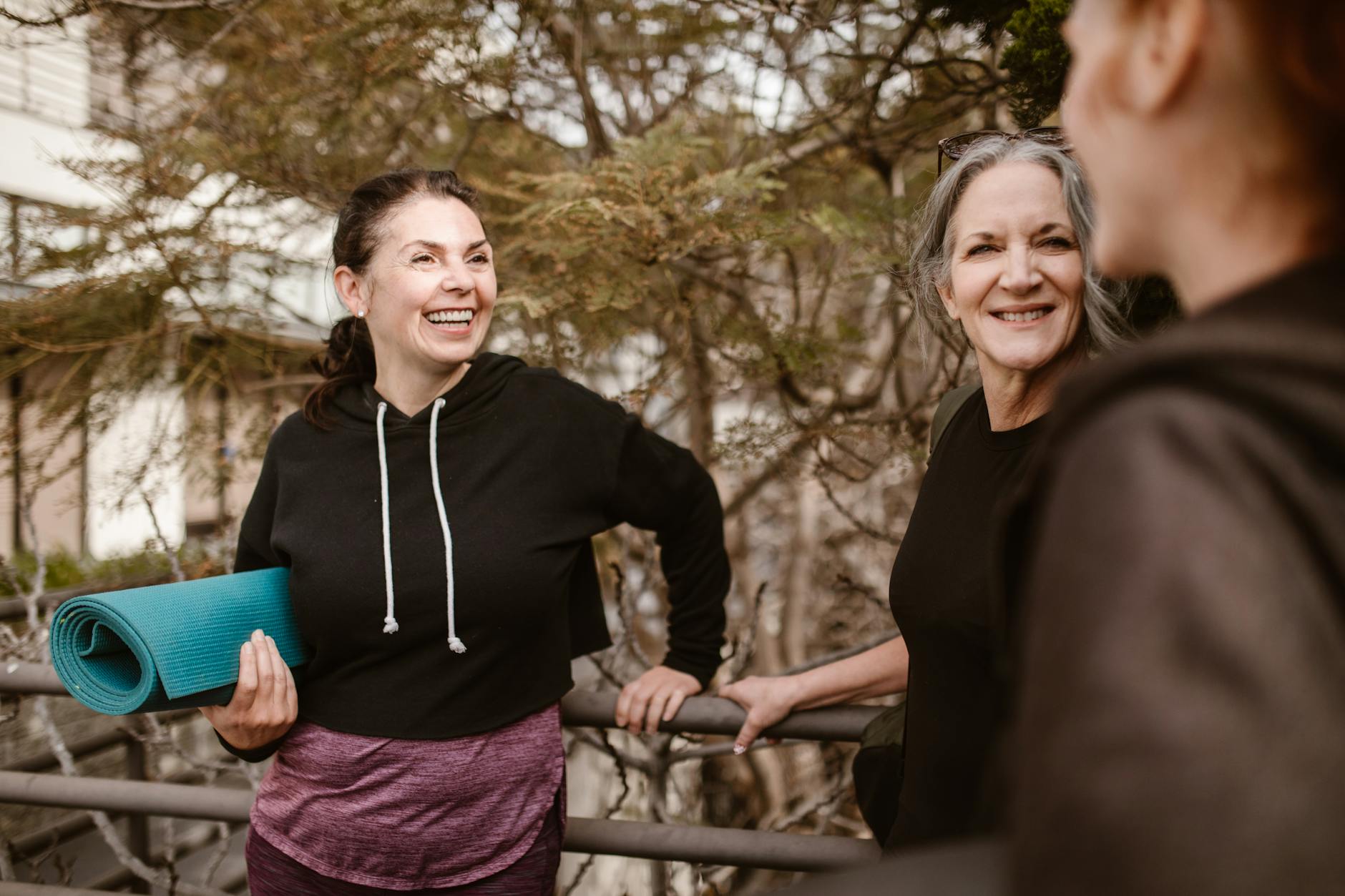
Dolce Spazio functions as more than a caffeine dispensary. It’s where retired couples celebrate anniversaries, young parents find adult conversation during childcare years, teenagers develop first jobs and work skills, and neighbors maintain relationships that strengthen neighborhood resilience. These seemingly small interactions accumulate into measurable health outcomes—lower depression rates, reduced anxiety, better stress management, and improved longevity.
The cafe model also encourages physical activity through walkability. When gathering spaces exist within neighborhoods, residents accumulate incidental exercise through traveling to them on foot or bicycle. Compare this to car-dependent models where most interactions occur in private vehicles or isolated home offices.

Economic Sustainability Meets Social Responsibility
A critical difference between family-owned establishments and corporate chains lies in how profits circulate within communities. When Dolce Spazio generates revenue, much of it stays local—reinvested in the business, paid to staff members, or contributed to community causes. Chain cafes, by contrast, redirect profits to distant corporate headquarters, diminishing economic multiplier effects.
This distinction matters significantly for cities like Surprise, which experienced rapid growth that occasionally felt disconnected from authentic local character. Supporting family businesses strengthens local economic ecosystems while building the social capital necessary for community cohesion. Residents who patronize locally-owned cafes don’t just purchase beverages; they invest in their neighborhood’s future.
Furthermore, family businesses operating across generations demonstrate accountability that national chains cannot match. The owner’s reputation is personally connected to their community—their children attend local schools, they shop at nearby stores, they participate in civic life. This creates powerful incentives for ethical operation and genuine community service.
The Digital Age Paradox: Why Physical Spaces Matter More Than Ever
Ironically, as digital technology promises unprecedented connectivity, humans increasingly crave authentic in-person interaction. Coffee shops and local cafes have become refuges from screen-dominated existence. They offer what remote work and social media cannot: serendipitous conversation, casual mentorship, romantic encounters, and the simple comfort of being around others engaged in familiar rituals.
For Surprise residents, many of whom relocated from larger metropolitan areas or migrated from out-of-state, physical gathering spaces provide orientation points in the community landscape. They establish routines that ground people in place. Over time, familiar faces become friends. Regular locations become refuge. Baristas learn your name and usual order. These small recognitions matter profoundly for mental health and belonging.
Practical Lessons for Growing Communities
Surprise’s city planners and business community can extract several actionable insights from Dolce Spazio’s success. First, encourage mixed-use developments that prioritize walkability and gathering spaces. Zoning regulations should facilitate small cafes and restaurants in residential neighborhoods rather than concentrating all commerce in isolated strip malls.
Second, actively support local entrepreneurs pursuing family business models. Tax incentives, accessible small business loans, and reduced bureaucratic barriers can help aspiring cafe owners establish roots. When potential business owners see viable pathways to success, they invest in community-oriented enterprises rather than relocating elsewhere.
Third, foster intergenerational mentorship programs that help young entrepreneurs learn from established business owners. Dolce Spazio’s three-generation success didn’t happen accidentally—it reflects deliberate knowledge transfer. Creating formal mentorship opportunities accelerates learning curves for new business owners while strengthening community bonds.
Fourth, celebrate and promote family businesses through community recognition programs, cooperative marketing initiatives, and local media coverage. Many Surprise residents remain unaware of excellent family-owned establishments within their neighborhoods. Amplifying their stories builds patronage while reinforcing community pride.
Building a Wellbeing-Centered Future
Surprise stands at a crossroads shared by many rapidly growing American cities. The path forward can emphasize either maximum density and economic efficiency, or intentional community-building alongside growth. Dolce Spazio demonstrates that these approaches need not conflict—profitable businesses and thriving communities reinforce each other.
As Surprise continues expanding, residents and leaders should champion gathering spaces that prioritize human connection alongside commerce. Whether through family cafes, cooperative markets, community gardens, or neighborhood gathering halls, intentional investment in these spaces yields returns measured in both economic vitality and resident wellbeing.
The lesson from Los Gatos is ultimately simple yet profound: communities thrive when they prioritize spaces where people genuinely connect. For Surprise, Arizona, embracing this wisdom offers a pathway to growth that preserves the human dimensions of community life while accommodating necessary expansion.









Leave a Comment