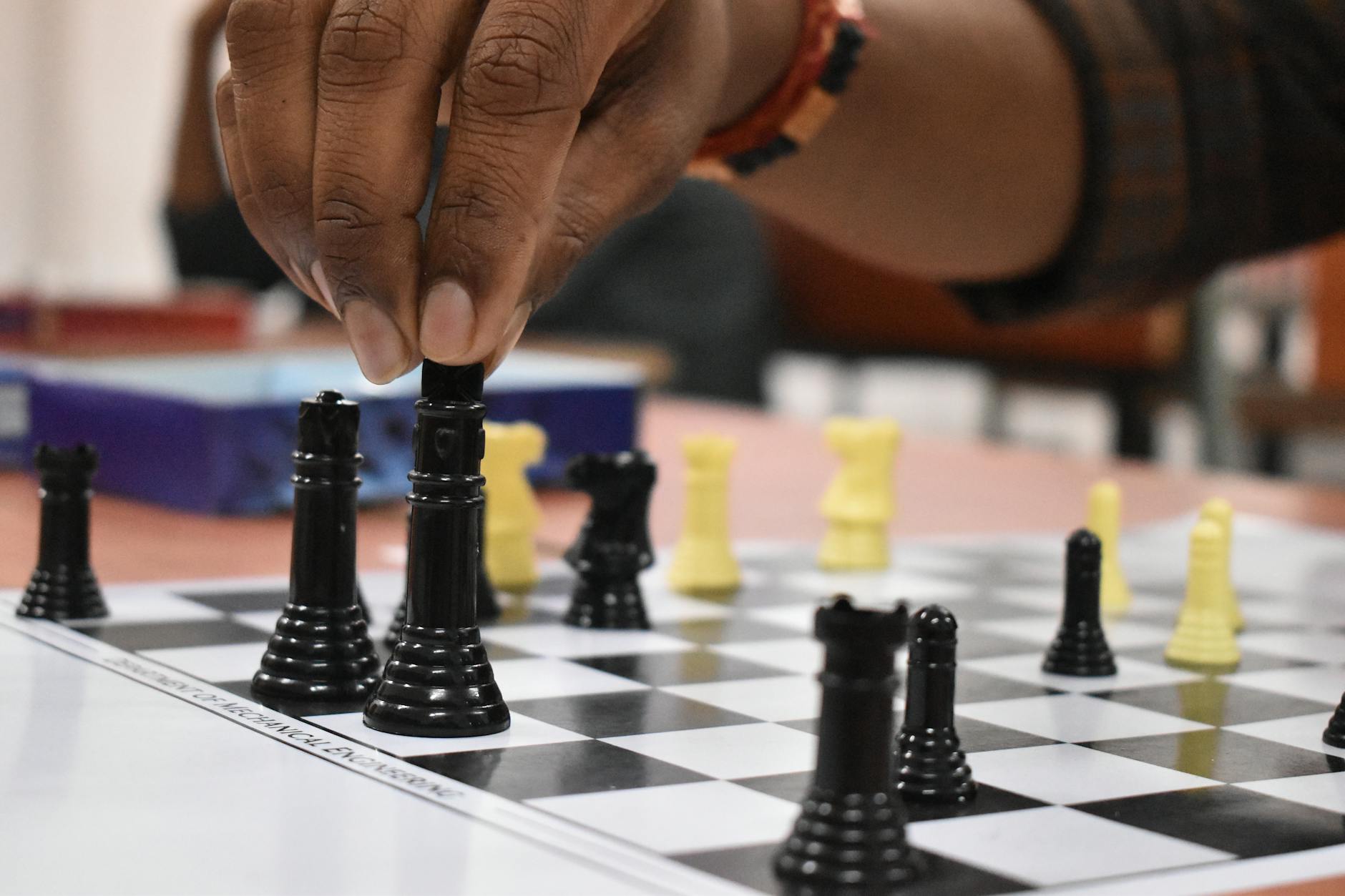
Walking into a Louisville chess club on any given evening reveals a diverse community united by a passion for one of history’s most intellectually demanding games. From teenagers plotting their first tournament victories to retirees rediscovering a childhood hobby, chess players across the city are experiencing transformative benefits that reach far beyond winning matches. Local chess enthusiasts and academic researchers have consistently demonstrated that this ancient game cultivates essential life skills that enhance decision-making, strengthen mental resilience, and improve focus—abilities that transfer seamlessly into everyday life.
The Mental Gymnasium: How Chess Sharpens Critical Thinking
Chess has long been recognized as a mental sport that demands sophisticated analytical thinking. In Louisville, players from all backgrounds are discovering that regular chess engagement fundamentally rewires how they approach complex problems. Every move on the board requires evaluating multiple possibilities, assessing consequences, and anticipating opponent reactions—a process that mirrors real-world decision-making in remarkable ways.
When a Louisville resident sits down to play chess, they’re not simply moving pieces around a board. They’re engaging in a multi-layered thinking process that involves pattern recognition, logical reasoning, and strategic planning. Each game presents hundreds of decision points, forcing players to weigh options and understand cause-and-effect relationships. This constant mental exercise strengthens neural pathways associated with analytical thinking, making critical analysis feel more natural in professional and personal contexts.
Local chess instructors note that students who engage with the game consistently demonstrate improved performance in mathematics, science, and subjects requiring logical reasoning. The skills developed at the chess board—breaking down complex situations into manageable components, recognizing patterns, and building strategic frameworks—translate directly into academic and professional success.
Building Unshakeable Focus in a Distracted World
In an era of constant digital distractions, chess offers Louisville residents a rare opportunity to develop and maintain deep concentration. A single chess match can demand hours of sustained mental engagement, requiring players to block out external interruptions and maintain focus on the task at hand.
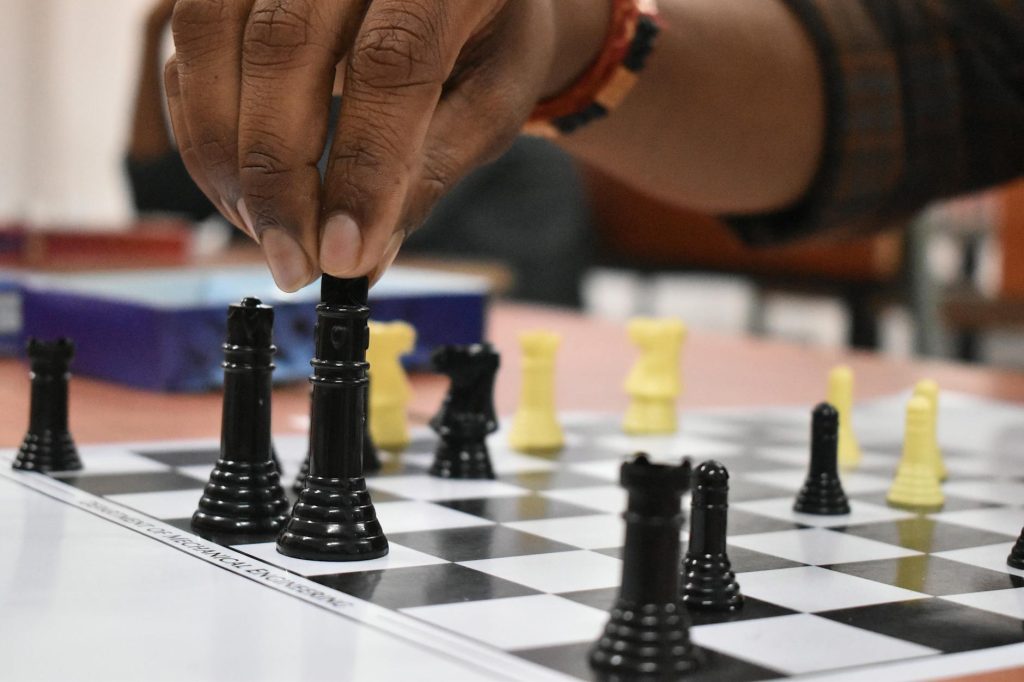
The benefits of this focused attention extend into daily life. Players report that chess training enhances their ability to concentrate on work projects, study sessions, and complex tasks that demand sustained mental effort. Children who play chess often show improved academic concentration, while adults find themselves better equipped to tackle demanding professional challenges.
Chess naturally trains the brain to filter out irrelevant information and maintain attention on what truly matters. This skill proves invaluable in modern life, where countless demands compete for our attention every single day. Louisville chess players describe how their ability to focus extends into reading, learning new skills, and engaging in meaningful conversation—all activities that require the kind of sustained attention that chess cultivates.
Emotional Resilience: Learning to Win and Lose Gracefully
Perhaps one of chess’s most valuable lessons involves emotional development and resilience. Every chess player experiences victories and defeats, and how they process these outcomes shapes their emotional growth. Louisville chess communities emphasize that learning to handle both success and failure with equanimity is crucial for long-term well-being.
Losing a chess match teaches players to analyze mistakes objectively, identify areas for improvement, and approach setbacks as learning opportunities rather than personal failures. This perspective shift is transformative. Rather than avoiding challenges due to fear of failure, chess players develop a growth mindset—they see obstacles as chances to develop stronger skills and strategies.
Young chess players in Louisville learn particularly valuable lessons about managing disappointment. Tournament play teaches children that losing is not shameful but rather an inevitable part of any challenging pursuit. This realization builds genuine confidence that stems from self-knowledge rather than unearned praise. Adults find that chess provides a healthy arena to experience and process competitive outcomes, strengthening their emotional resilience in lower-stakes situations that transfer to life’s bigger challenges.
Strategic Thinking: Planning Ahead in Life and Work
Chess is fundamentally a game of strategic planning. Success requires looking several moves ahead, anticipating opponent responses, and adjusting plans based on changing circumstances. Louisville chess players consistently report that this forward-thinking approach transforms how they approach personal and professional planning.
The concept of “thinking several moves ahead” becomes a life philosophy. Instead of reacting impulsively to situations, chess players develop a habit of considering consequences and planning strategically. In professional settings, this translates into better project planning, improved risk management, and more thoughtful decision-making. In personal life, chess-trained minds naturally consider long-term implications of their choices, whether regarding finances, relationships, or health decisions.
Social Connection and Community Building

Louisville’s vibrant chess community demonstrates another significant benefit of the game: its power to build meaningful social connections. Chess clubs, tournaments, and casual meetups create spaces where people from different backgrounds gather around a shared passion.
Playing chess with others develops important social skills including patience, respect for different perspectives, and appreciation for diverse thinking styles. The competitive yet respectful nature of chess creates relationships built on mutual respect rather than superficial interactions. Many Louisville chess players describe their chess communities as sources of genuine friendship and intellectual stimulation.
Physical and Cognitive Health Benefits
Research increasingly demonstrates that chess provides cognitive benefits similar to other mentally demanding activities. Regular chess play has been associated with improved memory, enhanced problem-solving abilities, and even potential cognitive protection as people age. Louisville residents who engage with chess report feeling mentally sharper and more cognitively engaged.
Beyond cognitive benefits, the meditative aspects of chess provide stress relief. The intense focus required during play creates a state where anxious thoughts fade away, replaced by absorption in the game. This mental state offers respite from daily pressures and contributes to overall well-being.
Getting Started with Chess in Louisville
For Louisville residents interested in discovering these benefits firsthand, numerous resources exist. Local chess clubs welcome players of all skill levels, offering instruction from beginners through advanced competitors. Online platforms provide convenient ways to play and improve, while chess instructors offer personalized coaching.
Whether you’re drawn to chess for mental stimulation, social connection, personal development, or competitive challenge, the game offers pathways to meaningful growth. The life skills developed through chess—critical thinking, focus, emotional resilience, and strategic planning—serve players well far beyond the game board, enriching their professional lives, personal relationships, and overall well-being.
Louisville’s chess community continues growing as more residents discover that this ancient game remains one of the most effective tools for developing the mental agility and emotional wisdom that modern life demands.









Leave a Comment