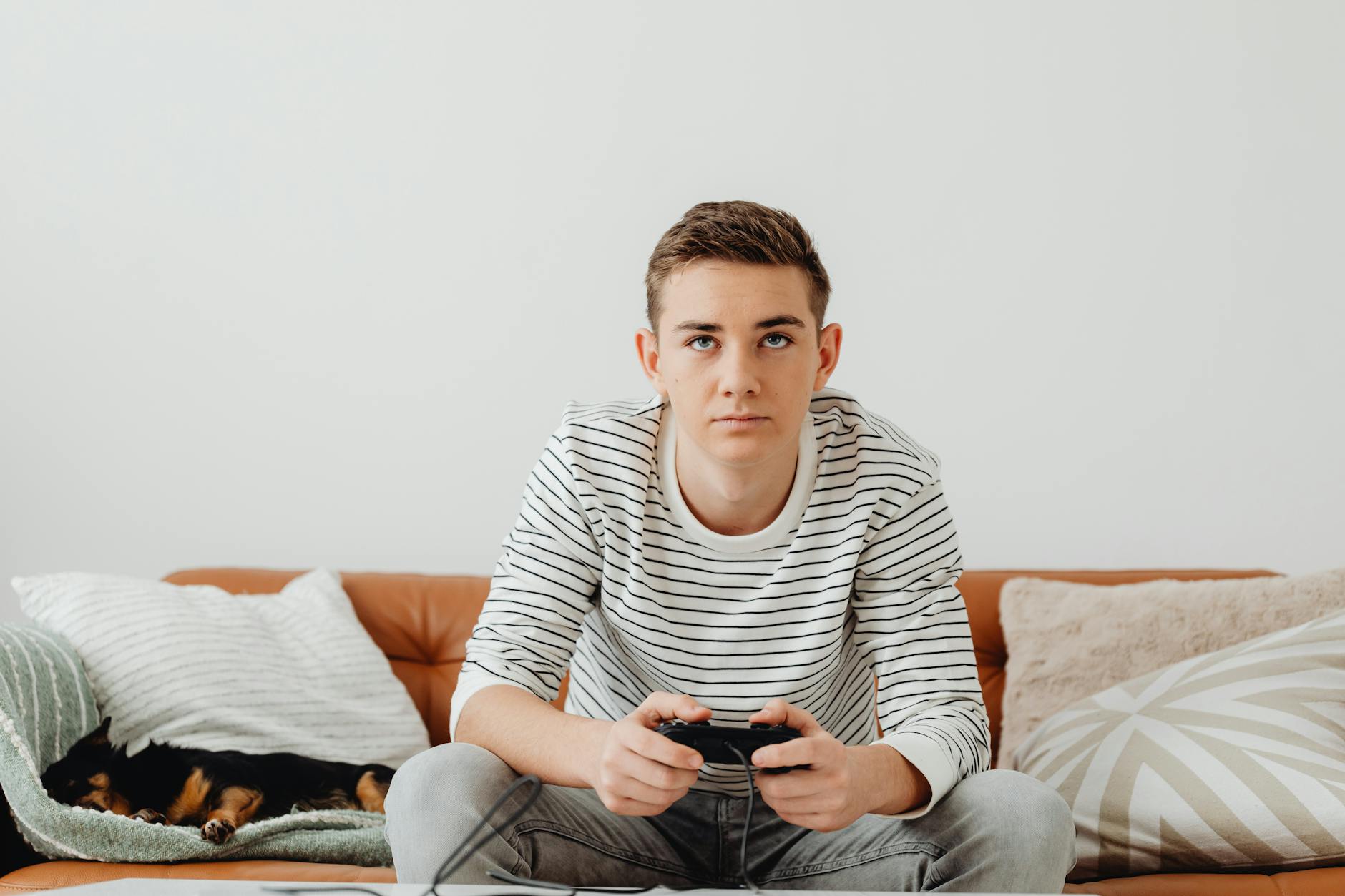
The debate surrounding teenage screen time has shifted significantly in recent years. While excessive gaming remains a concern for parents everywhere, including those in Fullerton, California, emerging research suggests that moderate gaming can actually serve as a legitimate stress-relief mechanism for adolescents. As local families navigate the pressures their teenagers face, understanding the nuanced relationship between gaming and mental wellness has become increasingly important.
Understanding the Stress Landscape for Fullerton Teens
Teenagers in Fullerton face a unique combination of pressures. Between rigorous academic expectations, social navigation, extracurricular commitments, and the ever-present influence of social media, modern adolescents experience stress levels that previous generations might not have encountered. The Orange County school system is particularly competitive, and Fullerton’s proximity to universities and technology hubs means students often feel amplified pressure to excel academically and professionally.
School breaks, which should theoretically provide relief, often leave teenagers feeling restless or anxious about upcoming demands. Parents in the Fullerton community have observed that their teens need healthy outlets to process emotions and decompress during these crucial downtime periods. This is where the conversation about gaming becomes relevant and worth exploring with nuance.
The Science Behind Gaming and Stress Reduction
Recent psychological research has documented measurable benefits from moderate gaming sessions. When teenagers engage in gameplay that they find enjoyable and engaging, their brains release dopamine—a neurotransmitter associated with pleasure and reward. More importantly, gaming can create what psychologists call “flow state,” where individuals become so engaged in an activity that worries and anxieties fade into the background.
This flow state is particularly valuable for stress management. During flow, the prefrontal cortex—the brain region responsible for rumination and worry—becomes less active. For a Fullerton teen struggling with test anxiety or social pressures, a well-chosen gaming session can provide genuine neurological relief from constant stress activation.
However, it’s crucial to emphasize that these benefits apply specifically to moderate gaming. Research consistently shows that excessive gaming (typically defined as more than three to four hours daily) can have the opposite effect, increasing anxiety and depression rather than relieving them. The key is finding a healthy balance that works for individual teenagers and their families.
Why Terraria Works for Decompression
Parents across Fullerton have noticed that certain games seem particularly suited to stress relief compared to others. Terraria has emerged as a notable example—a sandbox adventure game that offers creativity, problem-solving, and achievement without the high-stress competitive elements found in many modern titles.
What makes Terraria effective for stress relief is its lack of time pressure and punitive mechanics. Unlike games with intense combat sequences or strict time limits, Terraria allows players to work at their own pace. Teenagers can build structures, explore at leisure, and progress according to their own schedule. This autonomy is psychologically important; it gives teens a sense of control—something often missing from their highly structured daily lives at school.
Additionally, the game offers clear objectives and measurable progress, which provides a sense of accomplishment. For a teenager who might be feeling overwhelmed by long-term academic goals, completing a boss battle or building a new structure provides immediate, tangible evidence of progress. This psychological reward system can be genuinely beneficial for resilience-building.
Building Resilience Through Gaming
Beyond immediate stress relief, moderate gaming can contribute to developing emotional resilience in teenagers. Resilience—the ability to bounce back from challenges—is built through experiencing manageable difficulties and successfully navigating them. Many games provide exactly this framework in a safe environment.
When a teenager fails at a video game challenge, it carries minimal real-world consequences. Yet the problem-solving skills required to overcome that challenge are genuine. Trying different strategies, learning from failure, and eventually succeeding teaches valuable lessons about persistence and adaptation. These skills transfer to real-world challenges like academic difficulties or social conflicts.
Fullerton parents have reported observing increased confidence in their teenagers following successful gaming sessions, particularly when those sessions involved overcoming difficult challenges. This confidence boost can have positive ripple effects on academic performance and social interactions.
Setting Healthy Gaming Boundaries
Understanding the benefits of gaming doesn’t mean allowing unlimited screen time. Responsible gaming habits require clear boundaries and parental involvement. Fullerton families benefit from establishing specific guidelines:
First, set time limits. Most experts recommend no more than one to two hours of gaming on school days, with slightly more flexibility during breaks. Second, encourage game selection. Understanding what your teenager is playing matters significantly. Third, maintain awareness of gaming content ratings and ensure selections are age-appropriate. Fourth, create screen-free zones and times—particularly before bed and during meals—to maintain healthy family dynamics and sleep schedules.
Parents should also model healthy tech habits themselves. Teenagers are more likely to maintain reasonable gaming limits when they see their parents doing the same with their own devices.
Recognizing When Gaming Becomes Problematic
While moderate gaming can be beneficial, parents should watch for warning signs that gaming has crossed into unhealthy territory. Red flags include academic decline, social withdrawal, sleep disruption, and increased irritability when gaming is restricted. Some teenagers may develop genuine gaming addiction, which does require professional intervention.
If you notice these signs in your Fullerton teen, consulting with a mental health professional experienced in adolescent behavior is wise. Gaming addiction is recognized by major psychiatric organizations and can benefit from therapeutic intervention.
A Balanced Perspective for Fullerton Families
The emerging picture around gaming and teen mental health is more nuanced than the previous generation’s “all screen time is bad” messaging. For Fullerton families, the takeaway is that moderate, thoughtfully-managed gaming can genuinely contribute to teen stress relief and resilience-building when combined with other healthy coping mechanisms.
Encourage your teenager to maintain a diverse range of stress-relief activities: physical exercise, creative pursuits, time with friends, and yes, moderate gaming. The combination creates optimal conditions for emotional wellbeing and healthy development during these demanding teenage years.











Leave a Comment