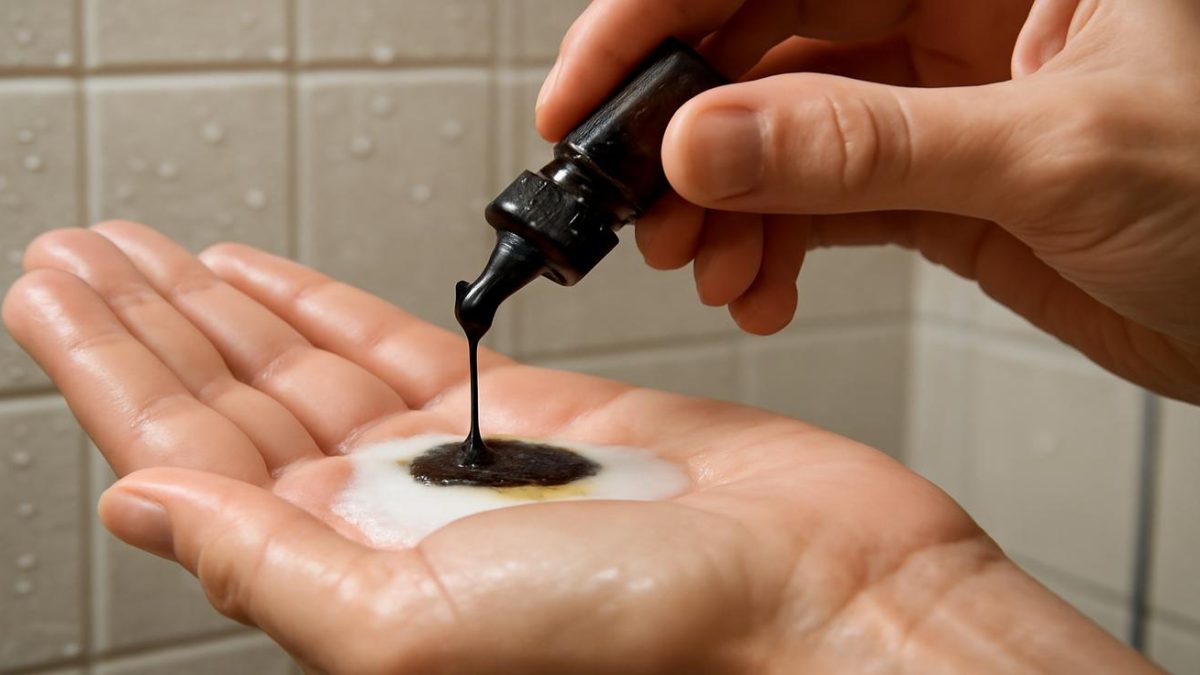
That first silver strand appears without warning, catching the light when you least expect it. For many of us, grey hair represents a milestone we’re not quite ready to embrace. While greying is a natural part of aging, the desire to maintain our natural hair color is completely understandable. The good news? You don’t need expensive salon treatments or harsh chemical dyes to address those stubborn greys. Several natural additives can be incorporated directly into your regular shampoo routine to gradually darken and revitalize grey hair.
Understanding Why Hair Turns Grey
Before diving into solutions, it helps to understand the science behind greying hair. As we age, our hair follicles produce less melanin—the pigment responsible for hair color. Additionally, hydrogen peroxide naturally accumulates in hair follicles over time, bleaching the melanin from within. Genetics, stress, nutritional deficiencies, and certain lifestyle factors can accelerate this process. Rather than fighting this biological reality with harsh chemicals, we can work with our bodies using gentler, nutrient-rich alternatives.
The Power of Tea-Based Solutions
One of the most effective and accessible additions to your shampoo is brewed tea. Black tea contains tannic acid, which has been used for centuries in traditional hair care. When added to shampoo, black tea gradually darkens grey hair while adding shine and smoothness. The process works best with consistent use over several weeks. Brew a strong pot of black tea, let it cool completely, and mix it into your regular shampoo bottle. A ratio of one part cooled tea to three parts shampoo works well for most hair types.
Sage tea offers similar benefits with an additional advantage: it contains compounds that may actually stimulate melanin production. This herbal tea has been traditionally used across various cultures specifically for maintaining hair color. Some people find that sage tea provides more noticeable results than black tea, particularly for those with darker hair types.
Henna Powder: Nature’s Hair Dye
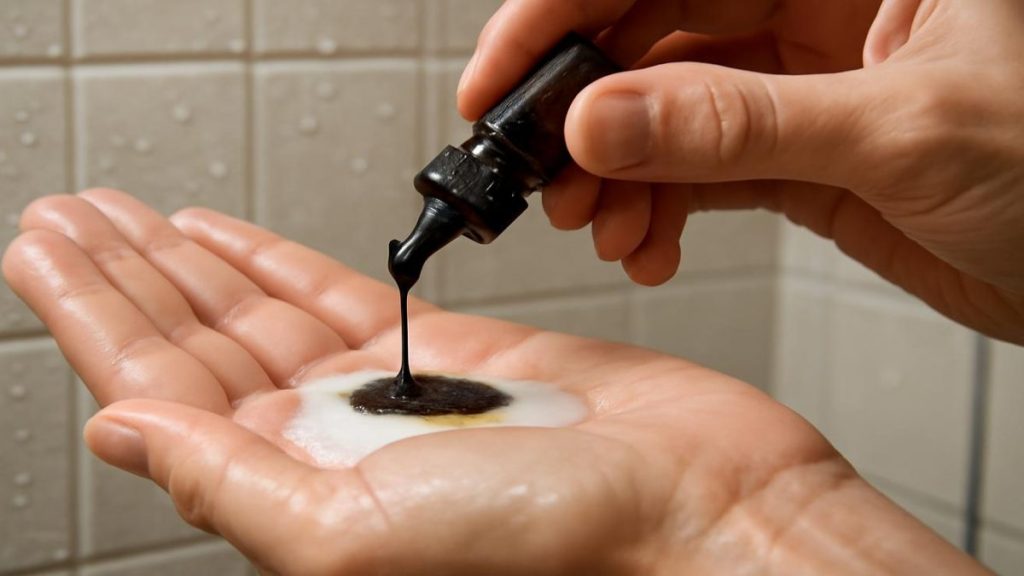
Henna powder represents one of nature’s most powerful hair-coloring agents. Unlike chemical dyes, henna coats each hair strand with color while simultaneously conditioning it. When mixed into shampoo, henna powder works more subtly than traditional henna treatments, gradually building color with each wash. Start with a small amount—perhaps a quarter teaspoon per ounce of shampoo—as henna can be quite potent. Indigo powder, often combined with henna in traditional dyes, creates deeper, richer tones and works particularly well for those seeking darker results.
The beauty of henna lies in its dual action: it not only darkens hair but also strengthens it from the outside in. Users often report thicker, more lustrous hair within weeks of regular use.
Essential Oils and Their Pigment-Boosting Properties
Certain essential oils contain naturally occurring pigments and compounds that support hair health and color retention. Rosemary oil has long been associated with darkening grey hair and improving overall scalp health. Add five to seven drops of rosemary oil per eight ounces of shampoo for best results. Clary sage essential oil works similarly, promoting hair pigmentation while providing a pleasant herbal scent.
Amla oil, derived from Indian gooseberries, is particularly noteworthy. Rich in vitamin C and tannins, amla oil not only darkens grey hair but also prevents further greying by strengthening hair roots. Mix a tablespoon of amla oil into your shampoo for enhanced benefits. Coconut oil can be added alongside these essential oils to provide deep conditioning benefits while supporting color restoration.
Mineral-Rich Additions for Hair Nourishment
Nutritional deficiencies can accelerate grey hair development. Adding mineral-rich ingredients to your shampoo addresses this from the outside. Nettle powder contains silica, iron, and other trace minerals that support melanin production. Horsetail extract offers similar mineral content and has been used in traditional medicine for hair vitality for generations.
Kelp or bladderwrack powder provides iodine and other minerals crucial for thyroid function, which directly impacts hair color and health. Add a small amount of these powders to your shampoo—starting with one-quarter teaspoon per bottle and adjusting based on results.
The Role of Vitamin E and Antioxidants
Vitamin E serves multiple purposes in hair care. It combats oxidative stress, which contributes to greying, while also improving scalp circulation. Pierce a vitamin E capsule and add it to your shampoo bottle. The antioxidant action helps prevent further damage to pigment-producing cells. Similarly, green tea extract offers powerful antioxidants that protect hair cells and may stimulate pigmentation.
Creating Your Custom Darkening Shampoo
The most effective approach combines multiple complementary ingredients. A powerful formula might include brewed black tea or sage tea as the liquid base, a tablespoon of amla oil, five drops of rosemary essential oil, and a small amount of henna powder. Start conservatively with quantities, as some ingredients can be potent. Mix thoroughly and shake well before each use, as oils and powders naturally separate.
Setting Realistic Expectations
Natural hair darkening works gradually, not overnight. Most people notice subtle improvements within three to four weeks of consistent use, with more dramatic results appearing after two to three months. The process requires patience, but many users find the gradual nature of the change preferable to sudden color shifts. Your results will depend on your hair type, the severity of greying, genetics, and how consistently you use the treatment.
Additional Tips for Success
Complement your darkening shampoo routine with complementary practices. Stay hydrated, manage stress, and ensure adequate nutrition—particularly B vitamins, copper, and zinc, which support hair pigmentation. Some people find that scalp massages improve absorption and effectiveness of these beneficial ingredients. Massaging your scalp daily for five minutes increases blood circulation to hair follicles, potentially enhancing the treatment’s impact.
Consider using a clarifying shampoo once weekly to remove buildup that might reduce the effectiveness of your darkening shampoo. This ensures your hair follicles remain receptive to the beneficial compounds you’re adding.
Safety Considerations and Patch Testing
While natural ingredients are generally safe, individual sensitivities vary. Before applying a new shampoo mixture to your entire head, apply a small amount behind your ear and wait twenty-four hours to check for any adverse reactions. Those with known allergies to plants should research their specific ingredients carefully.
Embracing natural solutions for grey hair offers a gentler, more sustainable approach to hair care. By harnessing the power of tea, herbs, oils, and minerals, you can gradually restore your hair’s natural color while improving its overall health and vitality. The journey to darker, more vibrant hair needn’t involve harsh chemicals or expensive treatments—just simple, natural ingredients and consistent dedication to your hair care routine.











Leave a Comment