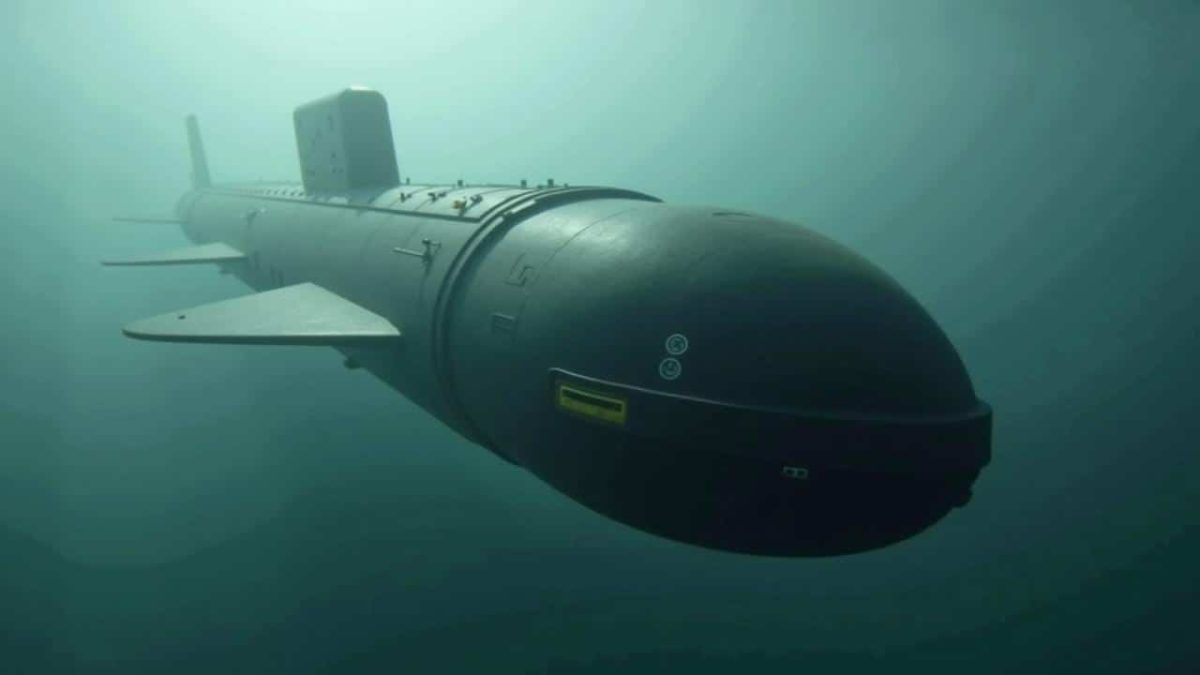
The landscape of military technology continues to evolve at a breathtaking pace, driven by ambitious engineering teams and bold strategic thinking. One of the most intriguing recent developments involves a radically different approach to submarine design—a concept that treats vessels not as independent operators but as tactical attachments to larger maritime assets. This paradigm shift represents one of the most fascinating intersections of military strategy and technological innovation in recent years.
Rethinking Naval Strategy from the Ground Up
For over a century, submarines have operated as autonomous platforms, carrying their own crews, propulsion systems, and weapon arrays. They venture into the deep independently, relying on sophisticated stealth technology to mask their presence. However, a growing number of defense strategists and engineers have begun questioning whether this traditional model represents the most effective approach to modern naval warfare.
The fundamental challenge facing contemporary navies involves balancing capability with sustainability. Deploying full-sized submarines requires enormous logistical support, extensive crew training, and substantial financial investment. Furthermore, detection technology has advanced considerably, making traditional submarines increasingly vulnerable to modern sensor systems. These pressures have prompted defense contractors to explore unconventional solutions that maximize tactical advantage while minimizing operational burden.
The Concept of Covert Integration
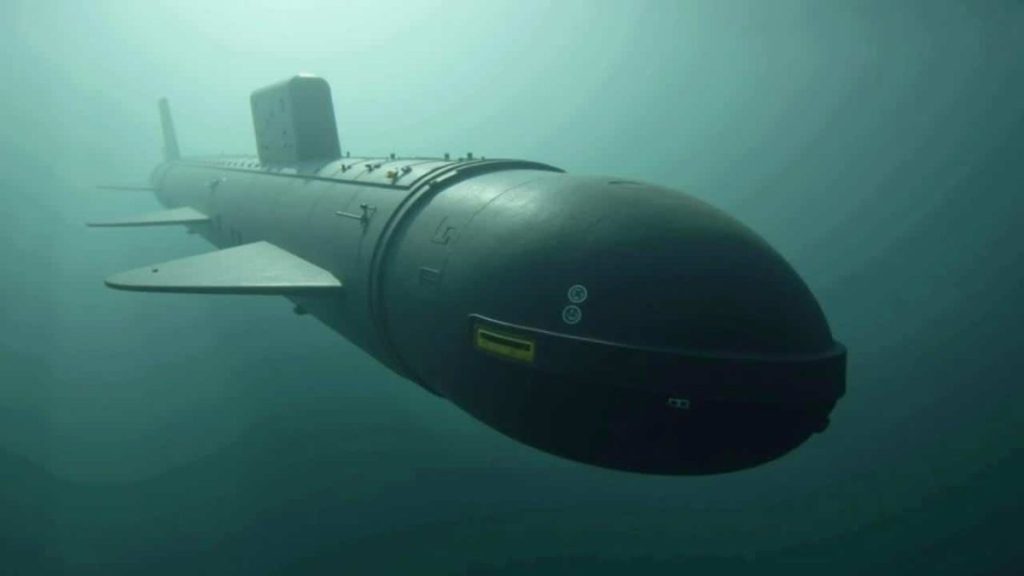
Imagine a small, specialized underwater vessel that could remain concealed within the protective wake of a commercial freighter or military transport. This vessel would contain minimal crew, rely on host vehicle power systems, and emerge only when strategic objectives demanded action. Such a concept fundamentally challenges everything naval architects have assumed about submarine design parameters.
The advantages of this approach are immediately apparent to military strategists. First, the small vessel gains the operational advantage of concealment—authorities would observe only a standard cargo ship or transport vessel moving through international waters. Second, the reduced size and crew requirements dramatically lower operational costs compared to traditional submarine deployment. Third, the docking capability allows for rapid repositioning and logistics support that independent submarines cannot easily achieve.
Technical Challenges and Engineering Solutions
Developing such a system requires solving numerous complex engineering problems. The attachment mechanism must secure the smaller vessel against currents and vibrations while remaining completely undetectable to external sensors. Power transfer systems must operate silently and reliably, without compromising the host vessel’s acoustic signature. Communication systems must function despite the electromagnetic interference generated by the host ship’s propulsion and navigation equipment.
Additionally, the small vessel’s internal systems must achieve remarkable efficiency. Limited space means engineers cannot incorporate redundancy or excess capacity—every component must serve multiple purposes. Life support systems must operate flawlessly in confined quarters, while weapon systems must deliver tactical effectiveness despite size constraints. These engineering demands have driven innovations in materials science, miniaturization technology, and autonomous systems.
Strategic Implications for Modern Navies
The potential applications of such technology extend far beyond simple military advantage. Nations with extensive commercial shipping fleets could theoretically enhance maritime security through covert capabilities positioned throughout global trade routes. This approach would allow rapid response to emerging threats without maintaining expensive permanent military infrastructure in distant regions.
However, the strategic implications carry significant complexity. The international community has developed extensive frameworks governing submarine operations, including protocols regarding identification, presence declarations, and weapons testing. A technology that blurs the line between civilian commerce and military capability would necessitate entirely new diplomatic and legal arrangements.
Operational Flexibility and Mission Diversity
Beyond traditional warfare applications, proponents suggest such systems could conduct specialized missions previously requiring dedicated platforms. Intelligence gathering operations could benefit from extended deployment periods enabled by host vessel support. Search and rescue operations could achieve greater effectiveness when equipped with specialized underwater vehicles. Scientific research initiatives could utilize such platforms to access remote oceanic regions with unprecedented operational flexibility.
The modular nature of this concept suggests adaptability across multiple mission profiles. A single host vessel could potentially dock with various specialized underwater platforms depending on operational requirements. One configuration might emphasize surveillance capabilities, while another prioritizes tactical strike systems. This flexibility represents a significant departure from the specialized design philosophy that has dominated submarine development.
Defense Industry Innovation and Competition
The emergence of such concepts reflects broader trends within the defense technology sector. Major contractors increasingly recognize that future military advantage depends not merely on producing larger, more powerful weapons systems, but rather on developing creative solutions that accomplish strategic objectives through unconventional means. This innovation-focused approach attracts talented engineers and strategists who view military technology as a complex problem-solving domain.
Competition among defense contractors has intensified this innovation cycle. As companies vie for government contracts and strategic partnerships, they invest heavily in research initiatives exploring previously unconsidered possibilities. The conceptual breakthrough represented by integrated submarine systems demonstrates how sustained investment in exploratory development can yield paradigm-shifting innovations.
Future Directions and Emerging Questions
As this technology moves from concept toward potential implementation, numerous practical questions require resolution. How would international maritime law govern such vessels? What detection technologies might identify them? How would crew training programs need to adapt? What safety protocols would protect both the host vessel and attached submarine during emergency situations?
The answers to these questions will determine whether this innovative concept transitions into operational reality or remains a fascinating example of military speculation. Nevertheless, the very fact that major defense contractors are exploring such possibilities indicates that traditional submarine warfare has entered a period of significant transformation.
The Broader Context of Naval Innovation
This technological concept should be understood within the broader context of how modern militaries approach maritime challenges. Unmanned systems, autonomous vehicles, and distributed sensor networks are already reshaping naval operations. The integrated submarine concept represents another step in this evolutionary process, combining unmanned principles with specialized manned platforms in novel configurations.
The defense industry’s exploration of such concepts ultimately reflects military requirements that conventional approaches struggle to address. As international waters become increasingly contested, as detection technology advances, and as budgetary pressures mount, unconventional solutions gain traction. Whether this particular concept achieves widespread adoption remains uncertain, but the innovative thinking it represents will undoubtedly influence naval strategy for decades ahead.









Leave a Comment