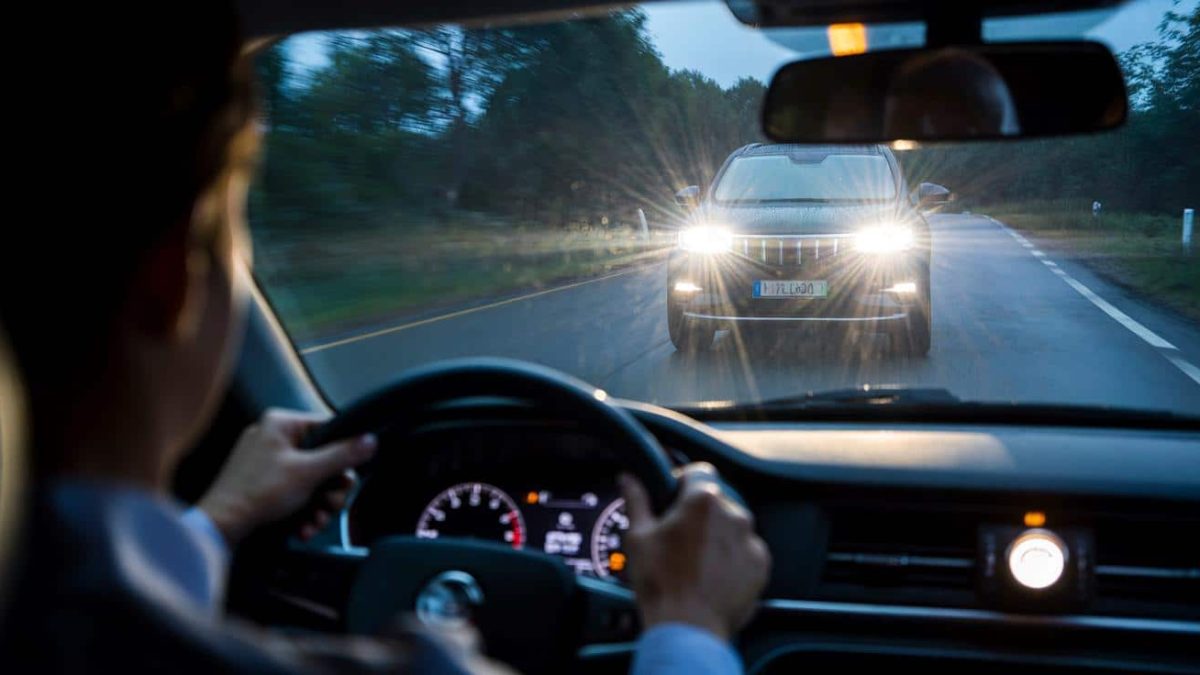
If you’ve ever been temporarily blinded by an oncoming vehicle’s headlights or squinted to see the road ahead because your own car’s lights seemed inadequate, you’re not alone. Millions of drivers experience these frustrations nightly. Now, a detailed technical study has finally put numbers behind what’s been obvious to anyone spending time on darkened highways: LED headlight performance varies wildly between vehicles, and many of them are far too bright for their own good while others struggle with basic visibility.
The Research That Confirmed Common Knowledge
Researchers recently undertook a comprehensive analysis of LED headlight systems across multiple vehicle manufacturers and models. Rather than relying on manufacturers’ specifications or marketing claims, they actually measured the light output, color temperature, beam pattern, and intensity of headlights on real vehicles in controlled testing environments. What they discovered shouldn’t have surprised anyone who regularly drives after sunset: consistency doesn’t exist in this industry.
The study revealed that while some vehicles produce a focused, white beam that illuminates the road effectively without creating excessive glare, others emit light so bright and so poorly aimed that they essentially become moving light cannons pointed directly into the retinas of oncoming traffic. Meanwhile, a third category of vehicles had headlights that barely cut through darkness at all, leaving drivers squinting and straining to see potential hazards.
Why Do Headlights Vary So Much?
The inconsistency boils down to several interconnected factors. First, there’s minimal standardization in how manufacturers design and calibrate their LED headlight systems. Unlike some safety features where regulations establish clear minimums and maximums, headlight regulations have historically been somewhat vague about brightness thresholds and beam patterns. This has allowed manufacturers significant freedom in their design choices, and not all of them prioritize safety equally.
Cost considerations play a major role too. Premium brands often invest heavily in sophisticated headlight technology featuring multiple LED elements, adaptive positioning systems, and advanced lenses that distribute light intelligently. Budget-conscious manufacturers, meanwhile, might cut corners by using fewer LEDs or simpler lens designs that don’t distribute light as efficiently or carefully.
Installation and alignment issues compound the problem further. Even identical headlight units can perform dramatically differently depending on how they’re mounted and aimed during assembly. A slight misalignment—even just a few degrees—can transform a well-designed headlight system into a blinding nuisance or reduce its effectiveness to nearly useless levels.
The Blinding Problem Nobody Properly Addresses
Perhaps the most frustrating finding from the research concerns headlight glare. Numerous vehicles, particularly larger SUVs and trucks, have headlights positioned higher on the vehicle. When paired with LED systems that weren’t designed with proper low-beam cutoff patterns, these lights create almost unbearable glare for drivers in smaller vehicles. The study documented specific instances where oncoming traffic became functionally blind for several seconds after being exposed to certain vehicles’ headlights.
This isn’t just an annoyance. Temporary blindness while operating a two-ton vehicle traveling at highway speeds creates genuine safety hazards. Yet manufacturers face minimal consequences for producing excessively bright headlights. Regulations exist, but enforcement remains inconsistent, and loopholes abound. Some manufacturers cleverly design their headlight systems to technically comply with regulations while still producing brightness levels that exceed the spirit of those rules.
The Flip Side: Inadequate Illumination
Interestingly, the study didn’t only document problems with excessive brightness. A surprising number of vehicles—particularly some mainstream brands trying to reduce costs—actually fail to provide adequate road illumination despite using LED technology. These vehicles’ drivers often don’t realize their headlights are subpar until they encounter genuinely dark roads without streetlights.
This creates a peculiar safety paradox. A driver might feel perfectly safe navigating well-lit urban roads, only to discover their headlights provide inadequate visibility when they venture onto dark rural highways. They then become vulnerable to accidents because they’ve never experienced their vehicle’s true lighting limitations.
What the Research Means for Drivers
The practical implications of this study are significant for anyone who spends time driving at night. For consumers shopping for new vehicles, headlight performance should rank higher on the evaluation checklist than many people currently place it. Test-driving a vehicle at night, specifically with the headlights on dark roads, provides crucial information that daytime test drives can’t reveal.
The research also validates the frustration of drivers who’ve complained about blinding headlights for years. They weren’t imagining the problem. The study quantified what their eyes already knew: some vehicles genuinely do produce unacceptably bright headlights with poor beam patterns. This information might eventually pressure manufacturers to prioritize better design and alignment standards.
Where Do We Go From Here?
Ideally, this research should prompt manufacturers to establish stricter internal standards and regulators to enforce more consistent specifications for headlight systems. Adaptive headlight technology that automatically adjusts brightness based on oncoming traffic offers promise, but it requires investment that not all manufacturers currently prioritize.
In the meantime, drivers should remain aware of their headlights’ characteristics and those of other vehicles on the road. Using high beams responsibly, ensuring proper headlight alignment, and choosing vehicles with well-designed lighting systems all contribute to safer nighttime driving conditions for everyone.
The study essentially proved what drivers have known intuitively for years: LED headlight technology isn’t standardized enough, enforcement of existing regulations remains inconsistent, and both excessively bright and inadequately bright headlights represent genuine safety problems. Sometimes the most valuable research confirms what experience has already taught us, and this study does exactly that while providing the scientific evidence necessary to potentially drive industry change.










Leave a Comment