
The furniture world is abuzz with conversation following Ikea’s latest innovation—a multifunctional sofa designed specifically for the modern challenge of limited living spaces. This isn’t just another sofa-bed hybrid; it’s a carefully engineered solution that attempts to merge comfort, functionality, and aesthetic appeal in ways traditional guest furniture simply cannot. But as with many bold design decisions, the reception has been decidedly mixed.
The Crisis of Modern Small-Space Living
Urban living has fundamentally changed over the past decade. Young professionals, remote workers, and urban dwellers increasingly find themselves navigating studio apartments and one-bedroom units that would have been considered impossibly small just twenty years ago. The challenge is real: how do you maintain a comfortable personal living space while also accommodating guests, particularly overnight visitors?
Traditionally, the answer has been the sofa bed—that ubiquitous piece of furniture that does neither job particularly well. Everyone knows the experience: a sofa that’s uncomfortable for sitting because of its conversion mechanisms, and a bed that’s awkward and cramped when extended. It’s a compromise that satisfies no one completely, yet millions of small-apartment dwellers have accepted it as a necessary evil.
Ikea recognized this widespread frustration and decided to approach the problem differently. Rather than tinkering with the conventional sofa-bed formula, they started from scratch with a completely reimagined concept.
What Makes This Sofa Different

Ikea’s new multifunctional sofa features several innovative components that set it apart from traditional guest furniture. The design incorporates modular elements that can be reconfigured depending on your immediate needs. Instead of a simple pull-out mechanism, the sofa uses an intelligent system of removable cushions and expandable frames that transform the piece through spatial rearrangement rather than mechanical operation.
The integrated storage compartments provide practical solutions for apartment dwellers who struggle with clutter management. Built-in shelving, hidden drawers, and organizational features transform what would otherwise be wasted space beneath and beside the sofa into functional storage areas. This is particularly valuable in studios where every square inch counts.
Perhaps most notably, the design maintains the aesthetic appeal of a contemporary sofa even in its expanded configurations. Many traditional sofa beds, when opened, reveal their mechanical underbelly—metal frames, awkward joints, and structural elements that visibly compromise the furniture’s design integrity. Ikea’s approach hides these practical necessities behind thoughtfully designed panels and upholstery.
The Comfort Question That Divides Opinions
Here’s where the controversy truly emerges. The furniture industry has long debated the impossible triangle of sofa-bed design: comfort while sitting, comfort while sleeping, and aesthetic appeal. Traditional wisdom suggests you can only truly excel at two of these three elements.
Ikea claims their design breaks this constraint through innovative cushioning technology and modular construction. However, early reviews reveal a significant split in user opinions. Some enthusiasts praise the sleeping experience, noting that the expanded configuration provides genuine orthopedic support comparable to a proper mattress. Others argue that the sitting experience has been compromised slightly to achieve this sleeping comfort level.
Guest bed traditionalists worry that offering anything other than a dedicated sleeping surface does a disservice to overnight visitors. There’s a vocal contingent of furniture designers and interior architects who believe that attempting to merge these functions inevitably results in mediocrity on both fronts.
Price Point and Accessibility Concerns
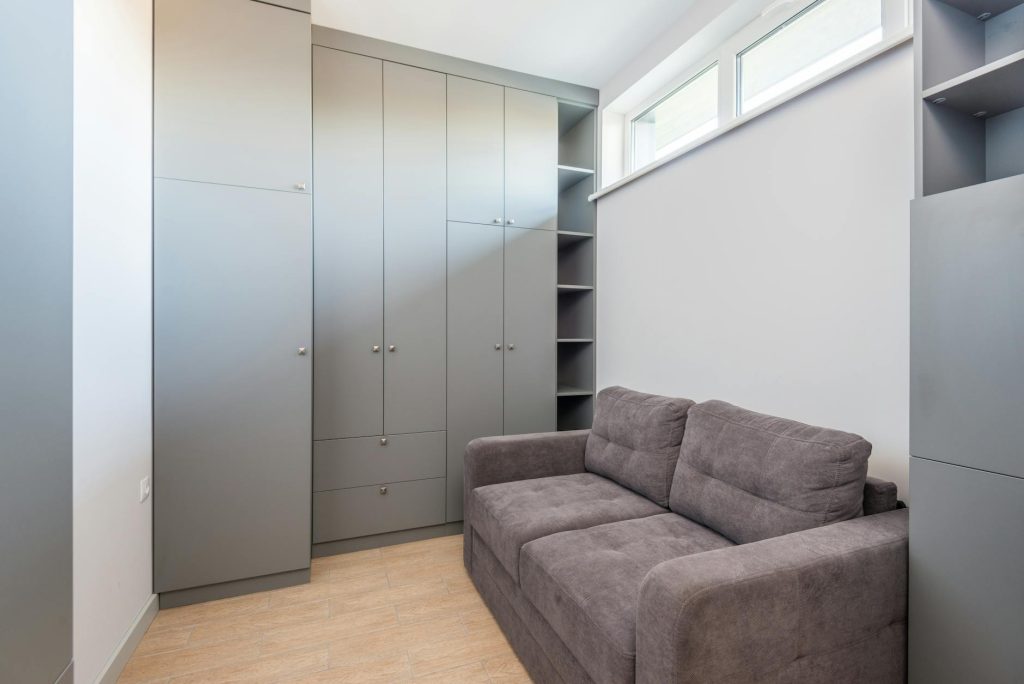
Ikea has built its empire on democratic design—the concept that beautiful, functional furniture should be accessible to everyone regardless of budget. This multifunctional sofa maintains that philosophy while requiring a higher price point than standard sofas. This creates an interesting tension: it’s genuinely affordable compared to high-end designer pieces, yet it represents a significant investment for the budget-conscious apartment dweller it’s designed to serve.
The question becomes whether the functionality justifies the cost. If a customer can purchase a decent sofa and a separate bed frame for less money combined, does the multifunctional solution’s space-saving benefits warrant the premium? This calculation differs significantly depending on individual circumstances and local real estate costs.
Environmental and Sustainability Angles
A less discussed but equally important aspect of this furniture innovation involves sustainability. By consolidating two pieces of furniture into one, Ikea’s design reduces manufacturing waste, transportation emissions, and ultimately, the amount of furniture ending up in landfills.
The modular construction also extends the product’s lifespan. Individual components can be replaced or upgraded without discarding the entire piece. This circular economy approach aligns with growing consumer interest in sustainable consumption patterns.
What This Means for the Future of Furniture Design
Regardless of whether this specific product succeeds or fails commercially, it represents an important shift in how furniture manufacturers approach design challenges. Rather than incremental improvements to existing concepts, companies are reconsidering foundational assumptions about how furniture should function.
This approach has implications far beyond sofas. The multifunctional philosophy could revolutionize how we design other pieces for small spaces—tables that transform, beds that integrate storage, shelving that adapts to changing needs.
The Verdict: Evolution or Gimmick?
Whether Ikea’s multifunctional sofa represents genuine innovation or an elaborate workaround for a persistent design problem depends largely on individual priorities and circumstances. For a young professional in a expensive urban market who rarely hosts overnight guests, it might be the perfect solution. For someone who frequently entertains family or has regular visitors, a traditional guest bed might still feel more appropriate.
What’s undeniable is that Ikea has sparked an important conversation about how we live and what our furniture should accomplish in an era of constrained spaces and flexible lifestyles. The controversy itself validates the boldness of the design—it’s not a compromise product designed to offend no one. Instead, it’s a clear statement about a specific vision for modern living.
The furniture industry will be watching closely to see whether this multifunctional approach becomes the new standard or remains a niche solution. Either way, Ikea has successfully challenged our assumptions about what furniture can and should do—and sometimes that provocation is exactly what innovation requires.










Leave a Comment