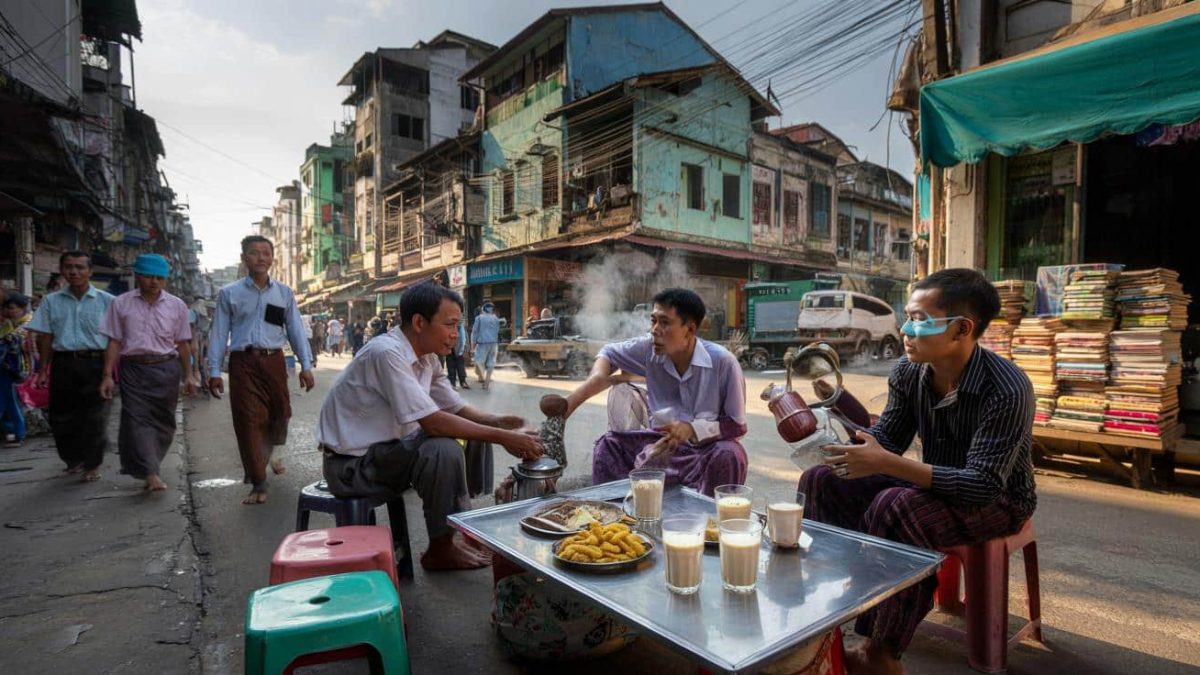
The scent of cardamom and chili mingles in the air as ancient tuk-tuks rattle past colonial-era buildings adorned with faded pastel paint. Welcome to Yangon, Myanmar’s largest city and one of Southeast Asia’s best-kept secrets. While Thailand counts its visitors in millions and Vietnam’s coastal towns overflow with backpackers, Yangon remains refreshingly undiscovered—a destination where authentic encounters outnumber tourist traps.
Why Yangon Deserves Your Attention
Every traveler has heard of Bangkok, Hanoi, or Ho Chi Minh City. But ask someone about Yangon, and you’ll likely receive a blank stare. This oversight represents one of modern travel’s greatest opportunities. The city hasn’t been commercialized to death, which means visitors still experience genuine interactions with locals rather than rehearsed tourist performances.
Yangon’s transformation over the past decade has been remarkable. After Myanmar opened to international tourism in 2011, the city began cautiously welcoming outsiders. Yet unlike neighboring countries that capitalized immediately on tourism revenue, Yangon has developed at a measured pace. This slower growth has preserved the city’s authentic character—something increasingly rare in Southeast Asia.
The fundamental difference between Yangon and overcrowded tourist capitals is tangible. You won’t find Instagram-perfect cafés on every corner designed specifically for social media content. Instead, you’ll discover real neighborhoods where daily life unfolds organically, untainted by tourist expectations.
Architectural Wonders Waiting to Be Explored
Yangon’s architecture tells a compelling story spanning centuries. Downtown, the British colonial influence remains evident in weathered Victorian buildings, grand Victorian theaters, and historic mansions. Many structures show their age, with peeling paint and crumbling façades, yet this deterioration adds authenticity rather than detracting from their charm.
The Shwedagon Pagoda stands as Yangon’s crown jewel. This 2,600-year-old golden temple complex rises 368 feet above the city, visible from almost everywhere in Yangon. The pagoda’s significance extends beyond tourism—it remains the spiritual heart of Burmese Buddhism. Visiting during sunset reveals the structure in its most spectacular light, when the massive golden dome reflects the fading sun in brilliant hues. Unlike Thailand’s Wat Arun or other famous Southeast Asian temples, Shwedagon remains primarily a place of genuine worship rather than a tourist photo opportunity.
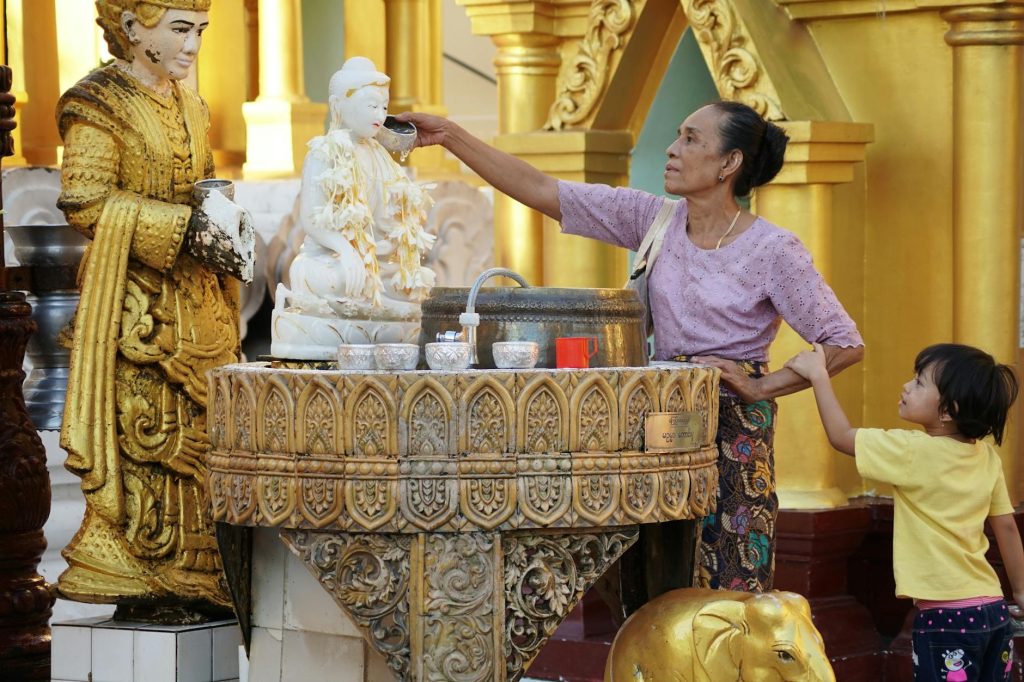
Botahtaung Pagoda, another essential site, sits near the Irrawaddy River. This pagoda’s interior tunnel contains religious reliquaries and offers a peaceful retreat from the city’s energy. The contrast between quiet spiritual spaces and bustling street life encapsulates Yangon’s dual nature perfectly.
Street Food Culture That Rivals Any Southeast Asian City
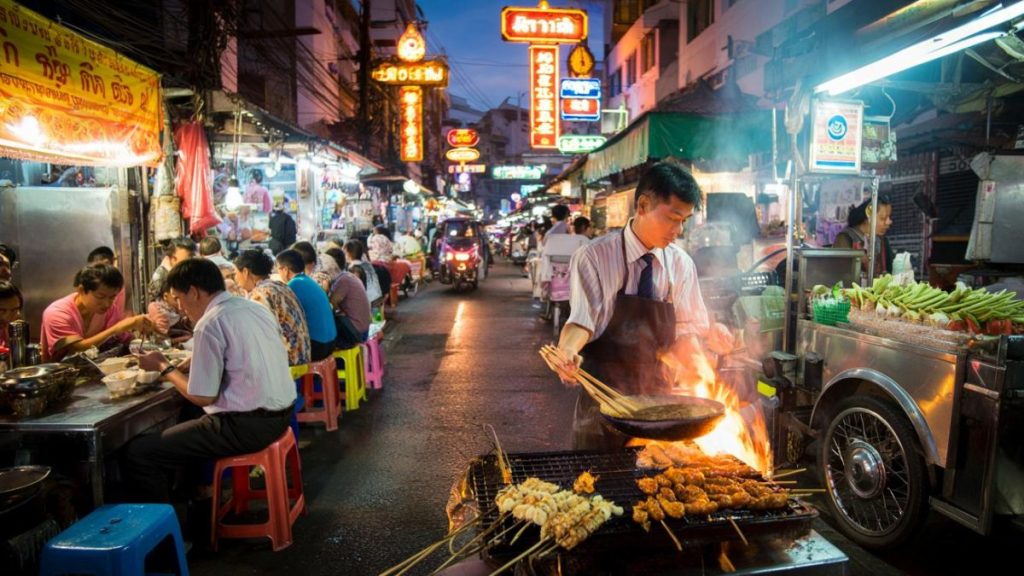
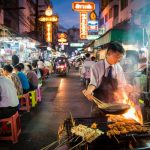
Yangon’s food scene represents phenomenal value for budget-conscious travelers. A filling, delicious meal from a street vendor costs between 1,500 and 3,000 Burmese Kyat—roughly $1 to $2 USD. Quality remains consistently excellent, with local cooks perfecting recipes across generations.
Shan noodles, Burma’s national dish, appear on virtually every street corner. These yellow wheat noodles served with meat broth, crispy noodles, and fresh vegetables create a simple yet profoundly satisfying experience. Mohinga, a savory rice noodle soup with fish broth, represents another must-try local specialty.
Bogyoke Aung San Market provides an immersive food experience where tourists remain genuine curiosities rather than expected customers. The market’s narrow aisles overflow with produce, spices, fresh fish, and prepared foods. Navigating this sensory explosion challenges even seasoned travelers, but the experience provides incomparable cultural insight.
Genuine Hospitality in a Modern Context
Myanmar’s reputation for hospitality stems from genuine cultural values rather than tourism industry training. Burmese people display natural warmth toward visitors, regardless of language barriers. This openness creates opportunities for meaningful conversations and authentic connections rarely found in heavily touristed destinations.
Staying in family-run guesthouses rather than international hotel chains dramatically enhances this experience. Owners often provide personalized recommendations, share stories about the city, and assist with travel logistics simply because they find joy in helping visitors. These interactions create travel memories far more valuable than luxury amenities.
Practical Advantages of Choosing Yangon
Beyond cultural richness, Yangon offers compelling practical advantages. The cost of living remains incredibly low compared to Bangkok or Hanoi. Accommodation ranges from budget hostels at $10-15 nightly to comfortable mid-range hotels for $30-50. Street food meals cost pennies, and even restaurant dining remains affordable by international standards.
The absence of overwhelming crowds means shorter lines at attractions, easier navigation through neighborhoods, and more relaxed travel experiences overall. You can actually speak with your guesthouse owner without waiting for attention, visit major temples without elbowing through crowds, and explore markets without feeling overwhelmed by human density.
Transportation is straightforward and affordable. Public buses serve the entire city for minimal fares, while taxis and Grab rides (Southeast Asia’s ride-sharing app) cost a fraction of Bangkok prices. Walking through neighborhoods remains safe and pleasant, allowing casual exploration.
The Window of Opportunity
Every destination eventually succumbs to overtourism. Yangon currently occupies a sweet spot—developed enough for traveler comfort but undiscovered enough to preserve authenticity. As more people recognize the city’s appeal, this window narrows. Infrastructure improvements, increased flights, and international marketing will inevitably follow.
Those who visit now experience Yangon as it truly exists rather than as a carefully packaged tourist product. Future visitors may not enjoy this advantage.
Planning Your Yangon Adventure
Most travelers need only 3-4 days to experience Yangon’s highlights. Allocate time for Shwedagon Pagoda, Botahtaung Pagoda, downtown exploration, market visits, and neighborhood walks. Consider day trips to nearby destinations like the Bago temples or Kyaikto for spiritual experiences.
Visa requirements vary by nationality, but most Western travelers can obtain tourist visas upon arrival or through pre-arrival electronic authorization. The best travel seasons are October through February when temperatures remain moderate.
Yangon represents modern travel’s greatest opportunity. Here exists an Asian destination combining spiritual significance, architectural beauty, exceptional cuisine, genuine hospitality, and authentic experiences—all at extraordinary value. While other Southeast Asian cities have become victim to their own success, Yangon remains wonderfully, gloriously overlooked. That remarkable reality makes it absolutely essential visiting while the window remains open.








Leave a Comment