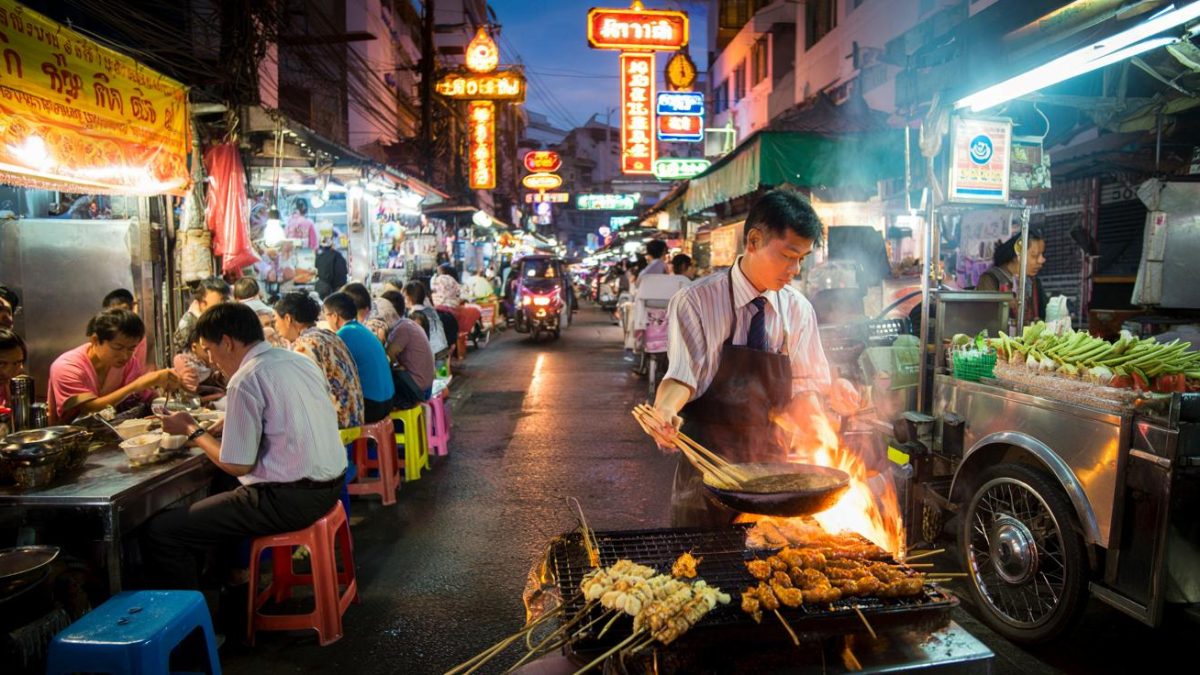
In the heart of bustling markets and winding alleyways, where the aroma of spices mingles with laughter and conversation, lies an experience that transcends mere eating. Street food represents more than sustenance—it embodies culture, tradition, and the authentic soul of a place. Recently, a remarkable city has been formally recognized as the world’s street food capital, a title that celebrates its extraordinary culinary heritage and the passionate individuals who bring these flavors to life daily.
The Magic Behind Street Food Culture
Street food occupies a unique position in global cuisine. Unlike fine dining establishments with their polished presentations and formal settings, street food thrives on authenticity and accessibility. It tells stories of immigration, adaptation, and creative resourcefulness. Every vendor brings their own heritage, family recipes, and personal touch to their offerings, creating an ever-evolving tapestry of flavors that reflects the community’s history and present-day influences.
The newly crowned street food capital exemplifies this phenomenon beautifully. Walking through its streets at any hour reveals scenes of masterful preparation—deftly seasoned meat sizzling on open flames, delicate parcels being folded with practiced precision, aromatic broths simmering in enormous pots, and colorful ingredients being transformed into edible art right before your eyes. The sensory experience is overwhelming in the most delightful way possible.
What Makes a City Worthy of This Honor
Several factors contribute to earning the prestigious title of street food capital. First and foremost is the sheer diversity of offerings. A true street food destination doesn’t simply repeat the same dishes across different vendors. Instead, you’ll find hundreds of unique preparations, regional specialties, and innovative creations that showcase both tradition and contemporary culinary thinking.
Secondly, the quality of ingredients and preparation methods matters significantly. The crowned capital maintains strict standards despite the informal setting. Vendors take pride in their work, using fresh ingredients and time-honored techniques passed down through generations. This commitment to excellence distinguishes it from merely casual food service.
Community integration represents another crucial element. In the world’s street food capital, these establishments aren’t peripheral to city life—they’re central to it. Locals dine alongside tourists, families celebrate occasions at food stalls, and business professionals grab lunch from trusted vendors they’ve patronized for years.
A Journey Through the Flavors
The culinary landscape of this celebrated destination spans an impressive spectrum. Morning brings fresh breakfast specialties—light, warming options meant to energize you for the day ahead. As afternoon approaches, heartier fare takes center stage, with vendors preparing elaborate dishes that represent the height of their craft. Evening introduces late-night offerings designed to satisfy cravings after sunset, often featuring bolder flavors and rich preparations.
Each dish tells a story of cultural intersection and culinary evolution. You’ll encounter recipes that have remained virtually unchanged for centuries, sitting beside innovative creations that honor tradition while embracing modern tastes. This beautiful coexistence of old and new is precisely what gives the street food capital its enduring appeal.
The Vendors: Artists and Guardians of Tradition
Behind every remarkable street food experience stands a vendor—often someone who has dedicated their entire life to perfecting their craft. These individuals are more than business operators; they’re culinary artists, cultural ambassadors, and keepers of heritage. Many operate from the same locations their families established decades ago, while others bring fresh perspectives to traditional recipes.
What unites them is an unwavering commitment to quality and customer satisfaction. Despite working in challenging conditions—limited space, weather exposure, and long hours—they maintain standards that rival formal restaurants. Their pride in their work is evident in every plate they serve, every interaction with customers, and their willingness to share their knowledge with the next generation.
The Economic and Social Impact
Beyond the culinary excellence, street food culture generates substantial economic activity and provides crucial employment opportunities. The food stalls create livelihoods for thousands of individuals and families. Markets become vibrant hubs of commerce where not only food changes hands but also stories, advice, and community bonds strengthen.
This economic ecosystem supports countless suppliers, from farmers producing fresh vegetables to spice merchants to packaging suppliers. The ripple effect extends throughout the entire community, making street food culture an integral component of local economic health.
Preserving Heritage in a Modern World
As globalization continues reshaping food cultures worldwide, the importance of protecting authentic street food traditions becomes increasingly vital. The recognition of a street food capital serves as validation that these culinary practices deserve preservation and celebration. It encourages younger generations to continue family food businesses and explore careers in culinary arts.
This title also attracts culinary researchers, food anthropologists, and journalists who document these practices, ensuring that techniques, recipes, and stories remain available for future generations. Tourism increases awareness and appreciation, creating economic incentive for maintaining traditional methods.
Planning Your Visit
For those seeking to experience the world’s street food capital firsthand, timing and planning enhance the adventure. Visiting during different seasons reveals how vendors adapt menus to seasonal ingredients. Exploring various neighborhoods shows how street food variations reflect local preferences and immigrant communities’ influences.
Engaging with vendors by asking about their dishes, ingredients, and preparation methods enriches the experience immeasurably. Many vendors enjoy sharing their knowledge and take pride in explaining their culinary heritage. Arriving with an open mind and adventurous palate ensures maximum enjoyment.
Conclusion: More Than Just Food
The naming of the world’s street food capital celebrates far more than delicious cuisine. It honors cultural traditions, acknowledges the dedication of countless vendors, recognizes economic contributions, and validates the importance of accessible, authentic food experiences. This designation shines a spotlight on a community’s identity and invites the world to partake in something genuinely special—a living, breathing expression of culture served one plate at a time.










Leave a Comment