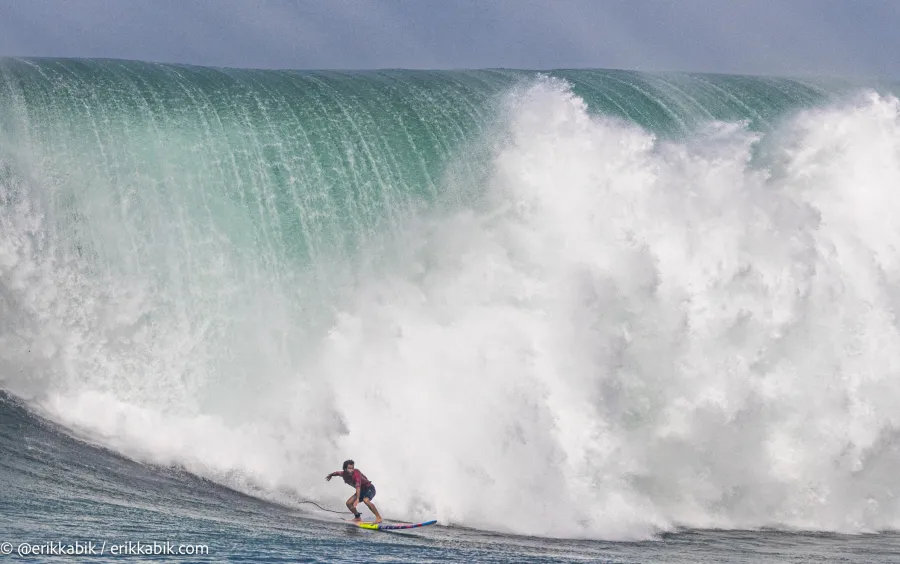
Strong ocean swells are once again drawing attention to Hawaii’s western shores.
A High Surf Advisory has been issued for west-facing coastlines of the Big Island as two separate swells move down the island chain, according to forecasters.
While conditions are not expected to reach warning levels, the advisory signals dangerous surf for swimmers, boaters, and shoreline activities, especially along exposed areas.
Officials urge residents and visitors to remain cautious as wave energy increases and conditions change through the weekend.
High Surf Advisory Issued for Western Big Island Shores
The National Weather Service (NWS) has placed west-facing shores of the Big Island under a High Surf Advisory as incoming swells begin to overlap.
Forecasters say the advisory reflects elevated surf conditions capable of creating hazardous ocean activity, particularly for those entering the water or traveling near rocky shorelines.
The advisory applies mainly to Kona and other west-facing coastal areas, where wave energy from multiple sources is expected to combine.
High Surf Advisories are typically issued when surf reaches levels that can pose risks but remain below thresholds for a High Surf Warning.
Background: Why Hawaii’s West Shores Are Vulnerable
Hawaii’s west-facing coastlines are especially sensitive to northwest and west swell events, particularly during winter months.
As swells travel south through the Pacific, the island chain acts like a funnel, allowing wave energy to wrap around coastlines and intensify in specific areas.
The Big Island’s geography adds another factor.
Steep underwater slopes and lava rock shorelines can cause waves to break suddenly and with more force, increasing the risk of shoreline erosion and wave run-up.
Even when surf heights appear manageable, these conditions can be deceptive for less experienced ocean users.
Two Swells Building Down the Island Chain
According to forecasters, two distinct swells are contributing to the advisory conditions.
The first swell is already impacting the western shores, bringing moderate but rising surf.
A second swell, arriving shortly after, is expected to reinforce wave energy, keeping surf elevated for an extended period rather than allowing a quick drop-off.
When swells overlap, waves can arrive closer together, increasing the chance of unexpected larger sets.
This pattern often leads to stronger currents and hazardous nearshore conditions.
Timeline: What to Expect Over the Coming Days
Friday:
Surf begins rising along west-facing Big Island shores as the first swell peaks.
Saturday:
The second swell moves through, maintaining elevated surf levels and potentially producing larger wave sets.
Sunday:
Surf remains above average, gradually easing depending on how quickly the swells weaken.
Forecasters note that timing and intensity can shift slightly based on wind conditions and swell direction.
Official Statements and Safety Messaging
The National Weather Service advises caution during high surf events, even when conditions fall below warning criteria.
In previous advisories, the agency has emphasized that wave impacts can vary significantly by location, with some areas experiencing stronger surges than others.
Ocean safety officials routinely warn that high surf increases the risk of:
-
Strong currents and rip currents
-
Sudden wave run-up on rocks and shorelines
-
Difficult conditions for small boats and paddlers
Authorities recommend staying well back from the water’s edge and avoiding swimming in exposed areas during advisory periods.
Impact on Ocean Activities and Coastal Travel
High surf advisories often affect more than just swimmers.
Boat ramps, harbors, and shoreline access points along the west coast can experience overwash or difficult launch conditions.
Fishermen operating from rocky shorelines face increased risks, especially when waves rebound off lava rock cliffs.
Tour operators may also adjust schedules or reroute activities to calmer waters on leeward or protected shores.
Visitors unfamiliar with Hawaii’s ocean conditions are encouraged to follow posted warnings and heed local guidance.
Public Awareness and Local Context
High surf events are common during Hawaii’s winter surf season, but each system brings unique challenges.
Local residents are generally accustomed to advisory-level surf, though many remain cautious when multiple swells overlap.
Social media discussions and local updates often focus on which coastlines remain safest, as conditions can vary significantly even within short distances.
Emergency officials stress that injuries during high surf events often occur not during peak conditions, but when people underestimate lingering hazards.
What Happens Next
Meteorologists will continue tracking swell direction, height, and duration through the weekend.
If surf levels rise beyond advisory thresholds, additional alerts could be issued.
If conditions ease as expected, the advisory will expire once surf falls back to safer levels.
Residents and visitors are advised to monitor updates from the National Weather Service and local authorities, especially if planning ocean or shoreline activities.
KEY FACTS SUMMARY
| Category | Details |
|---|---|
| Event | High Surf Advisory |
| Location | West-facing shores of the Big Island |
| Date | Issued as two swells move through the islands |
| Who is affected | Swimmers, boaters, shoreline users, tour operators |
| Current status | Advisory in effect |
| What readers should know | Elevated surf and hazardous ocean conditions possible |
FREQUENTLY ASKED QUESTIONS
What does a High Surf Advisory mean?
It means surf is elevated and potentially dangerous but below warning-level thresholds.
Which areas are affected on the Big Island?
Primarily west-facing shores, including Kona-side coastlines.
Why are two swells a concern?
Overlapping swells can keep surf elevated longer and produce unexpected larger waves.
Is it safe to swim during a high surf advisory?
Swimming is discouraged in exposed areas due to strong currents and wave surges.
Will the surf impact boating?
Yes. Small boats and shoreline launches may experience hazardous conditions.
How long will the advisory last?
It depends on how quickly the swells weaken, with conditions monitored daily.
CLOSING
A High Surf Advisory remains in effect for western shores of the Big Island as dual swells continue moving through the Hawaiian Islands.
While the surf is not expected to reach warning levels, conditions may still pose risks for ocean and shoreline activities.
Residents and visitors are encouraged to stay alert, follow posted advisories, and check official forecasts for updates as the weekend progresses.



Leave a Comment