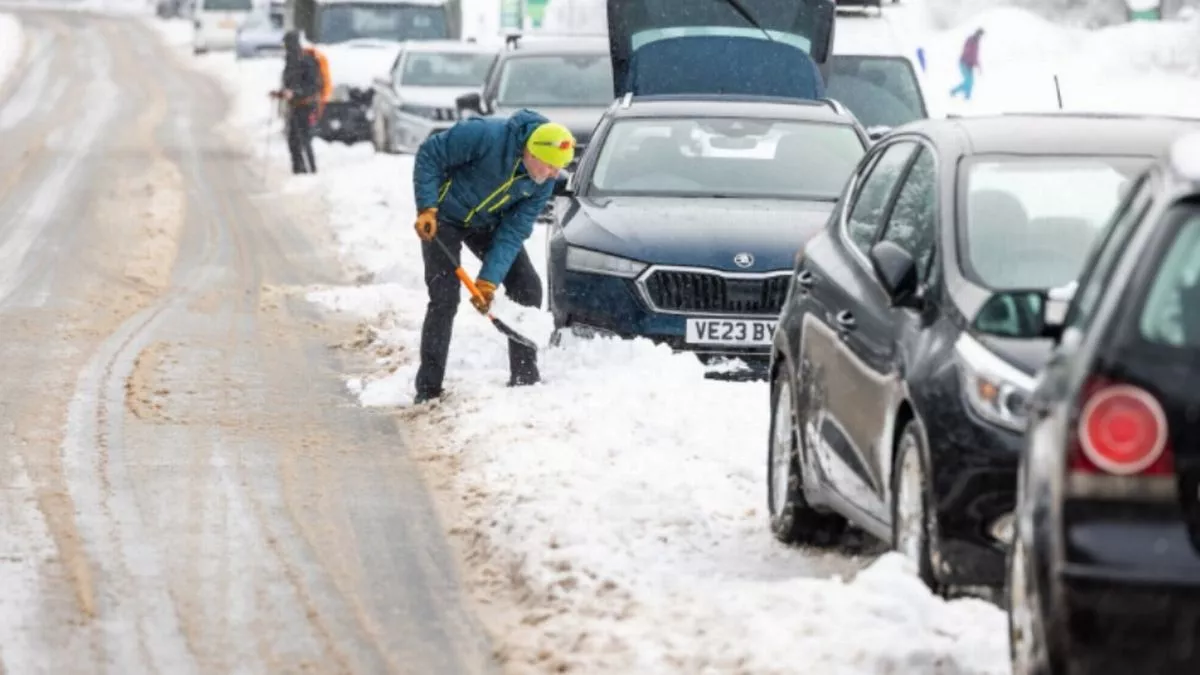
United Kingdom — Thousands of households across the UK are receiving extra financial support after the Department for Work and Pensions confirmed that Cold Weather Payments have doubled to £50 in some areas, as Storm Goretti brings prolonged freezing temperatures, snow, and ice.
Officials say hundreds of postcodes have now met the strict cold-weather threshold, triggering automatic payments for eligible residents already struggling with rising energy costs and the cost-of-living crisis.
Why Cold Weather Payments Have Increased
Under the Cold Weather Payment scheme, eligible households normally receive £25 when temperatures in their area are forecast to be 0°C or below for seven consecutive days. However, in areas hit by extended freezing conditions, multiple cold periods have been triggered — meaning households may receive £50 or more in total.
The DWP says the increase reflects the severity and duration of the cold snap, rather than a permanent policy change, with payments issued automatically for each qualifying cold spell.
“This winter has been particularly harsh,” a welfare adviser said. “For households on low incomes, repeated cold periods can make heating unaffordable without support.”
Hundreds of Postcodes Affected
Storm Goretti has brought sub-zero temperatures to large parts of England, Wales, and Scotland, particularly affecting:
-
Northern England
-
The Midlands
-
Rural Wales
-
Parts of Scotland
In many of these regions, freezing conditions persisted long enough to trigger more than one Cold Weather Payment, leading to doubled payouts landing directly in bank accounts.
Residents are being urged to check whether their postcode has been affected, as eligibility depends on local weather station data, not national forecasts.
Who Is Eligible for the £50 Payments
Cold Weather Payments are made automatically to people receiving certain benefits, including:
-
Pension Credit
-
Income Support
-
Income-based Jobseeker’s Allowance
-
Income-related Employment and Support Allowance
-
Universal Credit (in specific circumstances)
No application is required. If the temperature threshold is met in a claimant’s area, the payment is added automatically and paid in the same way as regular benefits.
Pressure on Households and Energy Bills
The cold snap has arrived as many households are already rationing heating due to high energy bills. Charities warn that even with extra payments, vulnerable people may still struggle to stay warm.
Older residents, families with young children, and people with long-term health conditions are considered most at risk during prolonged cold spells. Health groups have repeatedly warned that cold homes increase the risk of respiratory illness, heart problems, and hospital admissions.
“It’s not just about comfort,” a community support worker said. “For some people, heating their home properly is a health necessity.”
Calls for Long-Term Reform
While the doubled payments have been welcomed, campaigners argue the Cold Weather Payment system needs reform. Critics say the £25 rate — unchanged for years — no longer reflects modern energy costs, even when doubled.
Some are calling for:
-
Higher standard payments
-
Faster payouts during severe weather
-
Broader eligibility to include more low-income households
The government has said it continues to review winter support schemes but has not announced permanent changes.
What Happens Next
Weather forecasts suggest cold conditions could persist in parts of the UK, meaning further Cold Weather Payments could still be triggered in the coming weeks if temperatures remain below the threshold.
The DWP has advised claimants to:
-
Ensure bank details are up to date
-
Monitor local weather alerts
-
Seek additional help from local councils if struggling with heating costs
Local authorities have also opened warm hubs and community centres in some areas to help residents stay safe during extreme cold.
A Critical Winter for Vulnerable Households
As Storm Goretti continues to grip the UK, the doubled Cold Weather Payments are providing short-term relief — but the wider debate over fuel poverty and winter support is far from over.
For now, many families say the extra £50 could make the difference between heating their homes or going without during one of the coldest periods of the winter.
Community Question
❄️ Has your area qualified for the Cold Weather Payment this winter, and has it helped with heating costs? Share your experience below.









Leave a Comment