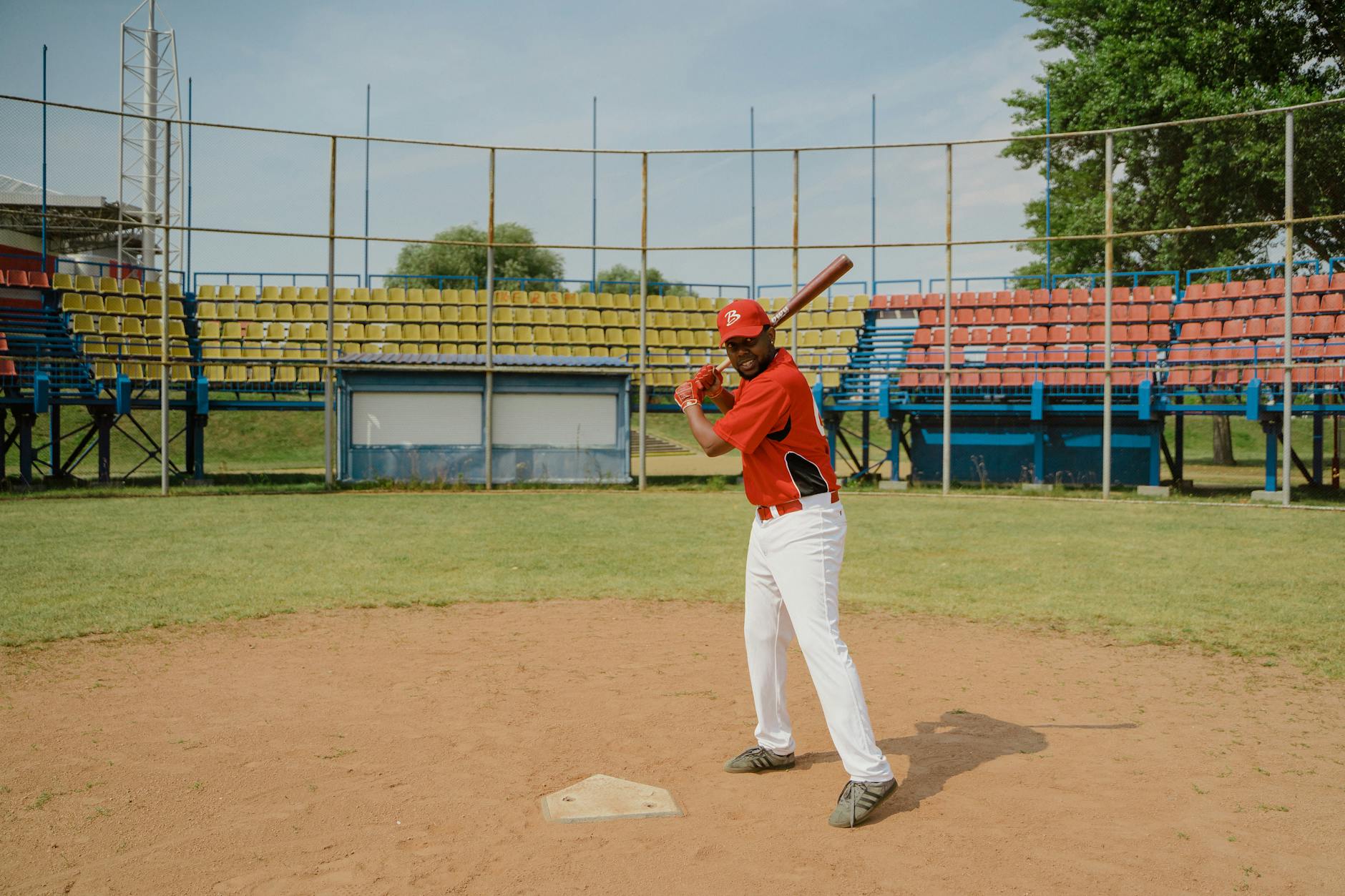
The crack of a wooden bat, the roar of a crowd gathered in an open field, the smell of freshly cut grass—these sensations defined American community life for generations. While modern baseball conjures images of massive stadiums and million-dollar contracts, the true story of how the sport captured America’s heart lies buried in vintage photographs from local clubs, neighborhood diamonds, and small-town fields across the nation, including the vibrant communities surrounding Washington, DC.
The Foundation of America’s Pastime
Baseball didn’t emerge fully formed from the minds of wealthy entrepreneurs or city planners. Instead, it evolved organically from the grassroots enthusiasm of ordinary Americans who saw the sport as more than entertainment—it was community, identity, and shared purpose. Between the 1880s and 1930s, a crucial period in baseball’s development, neighborhoods organized their own teams, raised money for equipment, and created traditions that would echo through generations.
The vintage photographs preserved from this era tell a compelling story about American social history. These images capture players in hand-stitched uniforms, standing proudly beside their teammates on fields that were often repurposed pastures or cleared lots. The absence of professional marketing and stadium amenities didn’t diminish the dignity and passion evident in their faces. These weren’t players dreaming of major league contracts—they were community heroes defending their neighborhood’s honor.
Washington DC’s Role in Baseball Evolution
The nation’s capital occupies a special place in baseball history, serving as both a political center and a thriving sports community. During the late nineteenth and early twentieth centuries, Washington neighborhoods developed robust baseball cultures. From working-class areas to affluent districts, residents formed teams that competed with the intensity of professional squads.
Photographic records from this period reveal the diversity of DC’s baseball landscape. Teamsters, clerks, shopkeepers, and laborers all took to local diamonds during free afternoons and weekends. These weren’t casual participants—they were serious athletes who trained rigorously and took their competitions seriously. The photographs document the uniforms they wore, the stadiums they built through collective effort, and the spectators who filled surrounding areas to watch.

The Architecture of Community Baseball
What strikes contemporary observers about vintage baseball photographs is the infrastructure surrounding the sport. Communities didn’t wait for municipal funding or corporate sponsorship. Instead, they constructed bleachers, installed field boundaries, and created gathering spaces through volunteer labor and small financial contributions from local businesses and individual supporters.
The photographs show fields of varying conditions—some remarkably well-maintained, others more rustic. Yet each venue represented genuine community investment. Families attended games as important social occasions, not mere diversions. Vendors sold refreshments, local musicians provided entertainment, and the gathered crowds represented the neighborhood’s broadest cross-section of residents.
Team Identity and Neighborhood Pride
One of the most fascinating aspects of vintage baseball photography is how clearly team identity connected to neighborhood identity. Uniforms displayed neighborhood names, local businesses sponsored teams, and victories or defeats carried genuine consequence for community morale. Young players aspired not to major league careers necessarily, but to the honor of representing their district or ward.
These photographs preserve moments of genuine achievement. When a team won a regional championship or defeated a rival neighborhood squad, the accomplishment was documented through formal team portraits. Players posed with visible pride, their uniforms and equipment representing months or years of collective resource-gathering. These images served as proof of community success, displayed in shop windows or family homes.
Technology and Documentation
The photographic technology available between 1880 and 1930 shaped how we now understand this era. Early cameras required longer exposures, meaning candid action photography was impossible. Instead, photographers captured posed moments—team lineups, formal portraits, pre-game preparations. This actually provides valuable historical documentation, as every player and significant community figure could be identified and recorded.
The quality and composition of surviving photographs also tells us about which communities had sufficient resources to commission professional photographers. Well-preserved images from well-organized teams reveal economic advantages, while more modest photographs from smaller communities demonstrate baseball’s democratic appeal—even communities with fewer resources participated actively.
The Transition from Grassroots to Organized Baseball
The photographs spanning from the 1880s through 1930s document a fascinating transition period. Early images show highly informal organization and simple equipment. Later photographs reveal increasingly standardized uniforms, better field maintenance, and more formal league structures. This visual progression documents how baseball evolved from neighborhood recreation into organized sport.
Washington DC’s particular importance lies in its role as a major league city while maintaining robust grassroots participation. The presence of professional teams didn’t eliminate neighborhood baseball—instead, it inspired increased participation at community levels. Young players had visible role models, and neighborhoods became more competitive as interest intensified.
Preserving Historical Memory
These vintage photographs represent irreplaceable historical records. Each image preserves not just faces and uniforms, but entire social structures and community values. They document how ordinary Americans organized themselves, how they invested time and resources in collective activities, and how sport served as genuine social glue.
The careful preservation and study of these images by historical societies and sports enthusiasts ensures future generations understand that baseball’s significance extends far beyond statistics and championship records. The sport’s true importance lay in its ability to unify communities, create shared identity, and provide avenue for achievement and recognition within neighborhood contexts.
Legacy and Lessons
Contemporary examination of vintage baseball photographs offers valuable perspective on community building and civic participation. These images demonstrate that meaningful recreational activities don’t require massive infrastructure or commercial sponsorship. Communities can build vibrant sporting cultures through voluntary effort, financial cooperation, and shared enthusiasm.
For Washington DC residents and baseball enthusiasts broadly, these vintage photographs serve as windows into a different America—one where neighborhoods mobilized their own resources, where local heroes received genuine community recognition, and where sports competitions carried authentic social significance. The photographs honor the ordinary Americans whose passion built the foundation upon which modern baseball stands.








Leave a Comment