The landscape of blood pressure management is shifting beneath our feet. For decades, healthcare providers relied on relatively standardized targets when treating hypertension, but emerging research is prompting a fundamental reassessment of what constitutes healthy blood pressure ranges. New York residents, like Americans across the nation, are beginning to encounter these updated guidelines in their doctors’ offices, and understanding what’s changed—and why—has never been more important.
For years, the general consensus pointed to a target blood pressure of 140/90 millimeters of mercury as the threshold where intervention became necessary. This straightforward number guided millions of clinical decisions. However, recent scientific discoveries have challenged this comfortable standard, revealing a more nuanced relationship between blood pressure control and overall health outcomes, particularly concerning cognitive function and dementia risk.
The catalyst for this shift comes from longitudinal studies examining the relationship between hypertension and brain health. Researchers have discovered that elevated blood pressure doesn’t just damage the heart and kidneys—it can subtly compromise the brain’s intricate vascular system over time. This discovery has particularly captured the attention of healthcare professionals and policymakers alike, as dementia rates continue climbing among aging populations.
Understanding the Connection Between Blood Pressure and Brain Health
The brain is an extraordinarily vascular organ, containing approximately 400 miles of tiny blood vessels. These delicate networks deliver oxygen and nutrients while removing metabolic waste. When blood pressure remains elevated for extended periods, these vessels experience chronic stress. The inner walls become damaged, less flexible, and more prone to accumulating deposits that restrict blood flow.
This vascular damage sets the stage for cognitive decline. As blood flow to the brain diminishes, neurons don’t receive adequate oxygen, potentially leading to cell death in regions critical for memory and reasoning. Researchers have observed that individuals with poorly controlled hypertension show higher incidence rates of vascular dementia, where reduced blood flow directly causes cognitive deterioration.
What makes this particularly concerning is that damage often occurs silently. Many people with elevated blood pressure experience no symptoms whatsoever—a characteristic that earned hypertension the nickname “the silent killer.” People may unknowingly be harming their cognitive future while feeling perfectly fine.
What the New Guidelines Actually Recommend
Rather than a one-size-fits-all approach, emerging guidelines emphasize individualized targets based on age, overall health status, and specific risk factors. For many adults, particularly those over sixty, the focus has shifted toward achieving and maintaining blood pressure readings below 130/80 millimeters of mercury—somewhat lower than previous recommendations.
The American Heart Association and other leading medical organizations have recognized that more aggressive management of blood pressure yields better long-term outcomes, especially regarding cognitive health. However, this doesn’t mean every person should pursue identical targets. Someone with diabetes or chronic kidney disease might benefit from stricter control, while an elderly person with multiple medical conditions might warrant a more conservative approach.
New York’s healthcare system has been at the forefront of implementing these updated guidelines. Major medical centers throughout the state have revised their hypertension management protocols, training physicians to engage in shared decision-making conversations with patients about appropriate blood pressure targets.
Practical Steps for New York Residents
If you live in New York and want to navigate these changing guidelines effectively, several actionable steps can help. First, schedule a conversation with your primary care physician about your individual blood pressure targets. Discuss your family history of dementia, stroke, and heart disease, as these factors should influence your specific goals.
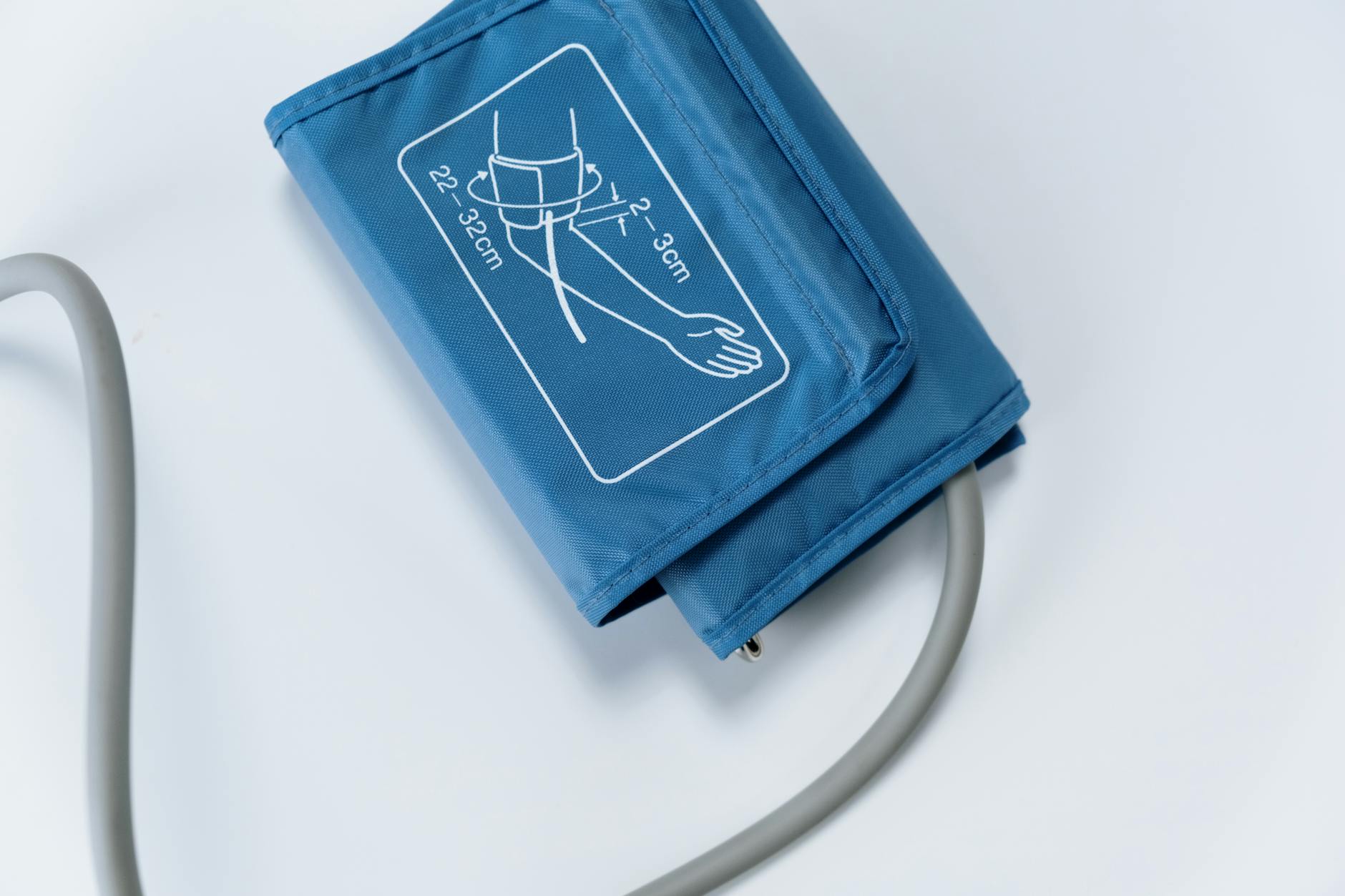
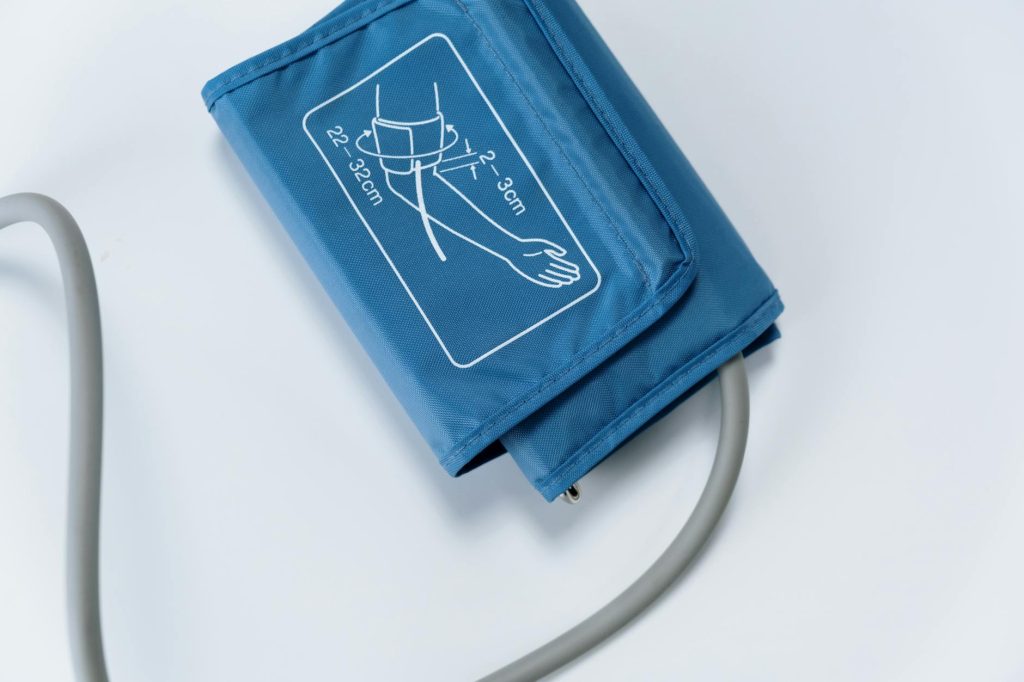
Second, invest in accurate blood pressure monitoring at home. Many New Yorkers rely on occasional doctor’s office readings, which don’t capture the full picture of daily fluctuations. A home monitoring device provides valuable data that helps you and your physician understand patterns and identify when adjustments are needed. Pharmacies throughout New York offer affordable monitors, and many insurers cover the cost.
Third, recognize that medication isn’t the only tool available. Lifestyle modifications remain foundational to blood pressure management. Regular physical activity, stress reduction techniques like meditation, limiting sodium intake, reducing alcohol consumption, and maintaining a healthy weight all contribute meaningfully to blood pressure control. Many New York communities offer fitness classes, yoga studios, and wellness programs that can support these lifestyle changes.
Medication Considerations and Working with Your Doctor
If lifestyle modifications alone don’t achieve your target blood pressure, medications become valuable allies. New York physicians now have access to numerous antihypertensive medications, each with different mechanisms and side effect profiles. Some patients do well with ACE inhibitors, others with calcium channel blockers, and still others with thiazide diuretics.
The key is finding a medication regimen that you can sustain long-term without intolerable side effects. Many people require combination therapy—taking two or more medications simultaneously for optimal control. This isn’t a sign of failure; it’s a sign of your physician implementing evidence-based medicine.
If your current regimen isn’t working well, communicate openly with your doctor. New York’s diverse healthcare landscape means you have options if you’re not satisfied with your current care. Many patients benefit from consulting specialists like cardiologists or nephrologists who bring additional expertise to blood pressure management.

The Broader Implications for New York’s Healthcare System
These guideline changes represent more than isolated clinical adjustments; they signal a fundamental shift in preventive medicine philosophy. By addressing blood pressure more aggressively now, we potentially prevent dementia, strokes, and heart attacks years or decades down the road.
For New York residents, this means increased attention to blood pressure screening through workplaces, community health centers, and pharmacies. Many employers in New York now include hypertension screening in annual wellness programs, helping identify elevated pressures early when interventions are most effective.
Moving Forward: Your Role in Your Health
As guidelines continue evolving based on accumulating research, your most powerful action is staying engaged with your healthcare team. Ask questions, express concerns, and participate actively in decisions about your blood pressure management.
The connection between blood pressure and brain health offers an encouraging message: by taking control of this modifiable risk factor now, you’re simultaneously protecting your heart, kidneys, and mind. For New York residents, access to world-class medical facilities and innovative treatment options means you have excellent resources for implementing these updated approaches to blood pressure management.
Blood pressure guidelines may be changing, but the fundamental principle remains constant: maintaining cardiovascular health is one of the most important investments in your long-term wellness. Stay informed, stay proactive, and work collaboratively with your healthcare providers to achieve your individual health goals.











Leave a Comment