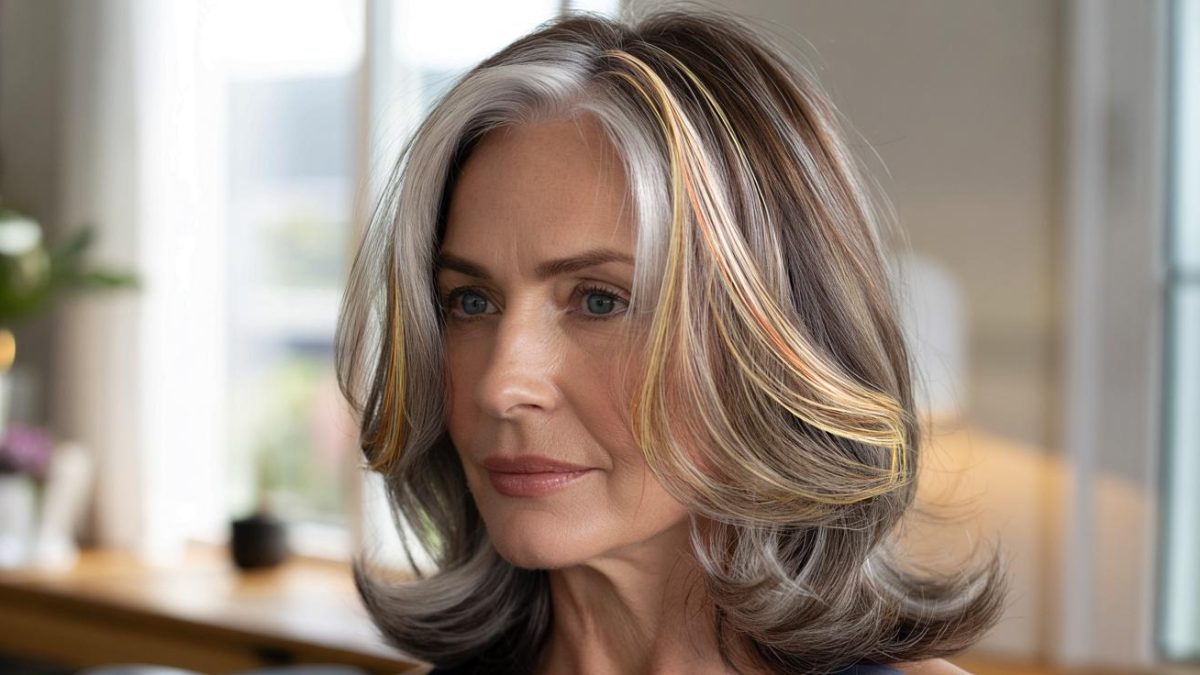
The hair industry constantly evolves with new trends and techniques, but not all of them require radical transformation or commitment to high-maintenance styling. A refreshing new approach is gaining momentum among those seeking a more refined solution to grey hair management: stained glass hair. This technique draws inspiration from the way light filters through coloured glass, creating a sophisticated blend of tones that work harmoniously together. Unlike traditional full-colour coverage or stark highlights, stained glass hair offers a nuanced approach that respects your natural grey while introducing strategically placed colour that catches light and creates dimension.
Understanding the Stained Glass Hair Concept
The term “stained glass hair” emerged from the artistic world, referencing how coloured glass panels interact with light to create beautiful, luminous effects. Applied to hair colouring, this technique mimics that principle by using multiple soft, complementary tones that blend seamlessly throughout your strands. Rather than applying one uniform colour or creating stark contrast, stained glass hair celebrates the interplay between your natural grey and carefully chosen accent shades.
What makes this approach revolutionary is its philosophy: grey hair isn’t something to completely cover or hide, but rather a canvas to enhance. The technique works by introducing softer, warmer, or cooler tones depending on your skin tone and personal preference. These colours are applied in a way that allows natural light to interact with them, creating subtle luminosity that makes hair appear fuller and more vibrant without looking artificial or heavily processed.
The beauty of stained glass hair lies in its versatility. Whether your grey is sparse and scattered or concentrated in certain areas, this technique can be customized to complement your unique pattern. The result is hair that looks like you, just elevated—more polished, more dimensional, and more intentional.
The Application Process Explained
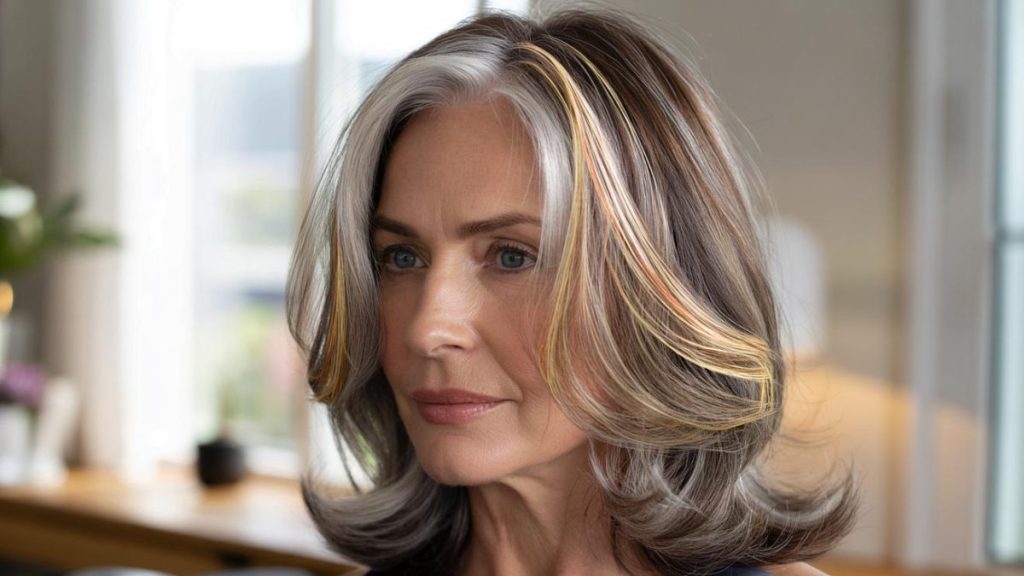
Unlike traditional hair colouring methods that follow strict sectioning patterns, stained glass hair application is more organic and artistic. Experienced colourists assess your grey distribution, natural hair colour, and desired aesthetic before developing a personalized strategy.
The process typically begins with consultation. Your stylist will examine how grey is distributed throughout your hair, considering density and pattern. They’ll discuss your lifestyle, maintenance preferences, and colour goals. This conversation is crucial because stained glass hair can be adapted significantly based on individual needs—some prefer very subtle enhancement, while others want slightly more noticeable colour.
During application, the colourist uses soft, blended placement rather than precise highlights or lowlights. Semi-permanent or demi-permanent colours are often preferred because they offer the perfect balance: they’re visible enough to create the desired effect but gentle enough to work alongside your natural grey. Some stylists use a combination of glossing techniques and strategic colour placement to achieve the stained glass effect.
The colour palette typically consists of warm and cool tones that complement your undertones. For warm-toned skin, peachy, golden, or honey-based shades work beautifully. Those with cooler undertones might opt for ashy blondes, soft silvers, or cool browns. The key is selecting shades that enhance rather than fight your natural colouring.
Why Stained Glass Hair Works for Grey Hair
Grey hair presents unique challenges and opportunities. As melanin production decreases, hair becomes coarser and can appear dull or washed out without strategic colour support. Stained glass hair addresses these issues elegantly by introducing colour that catches light and creates visual interest without requiring root touch-ups as frequently as traditional colouring methods.
The psychological benefit is significant too. Many people don’t want to completely abandon their natural grey—it represents authenticity, experience, and confidence. Stained glass hair allows you to embrace grey while still feeling polished and intentional about your appearance. You’re not denying your grey; you’re celebrating it as part of your overall aesthetic.
Additionally, this technique is less damaging than full-colour coverage. Because demi-permanent products are used and coverage is more strategic, your hair experiences less chemical exposure. The result is healthier-looking hair with better texture and shine. This is particularly important for older hair, which tends to be more delicate and less able to withstand harsh chemical treatments.
Maintenance and Longevity
One of the greatest advantages of stained glass hair is its low-maintenance nature. Because the technique works with your natural grey rather than against it, grow-out is virtually unnoticeable. Where traditional highlights create a harsh line between coloured and new growth, stained glass hair blends naturally as new grey emerges.
Most people can extend time between appointments to eight to twelve weeks, compared to the four to six weeks typically recommended for traditional highlights. This saves both time and money while reducing cumulative damage to your hair.
To maintain the vibrancy of your stained glass colour, use colour-safe shampoo and conditioner. Cool-water rinses help seal the hair cuticle and enhance shine. Quality hair masks weekly will keep your strands nourished and help the colour appear more luminous. Limiting heat styling frequency also preserves colour intensity and overall hair health.
Customization for Your Unique Needs
The brilliance of stained glass hair is its adaptability. Your stylist can adjust intensity, colour selection, and placement based on your preferences. If you want barely perceptible enhancement, they can use very subtle tones and strategic placement. If you prefer more dimension, they can introduce bolder colour contrast while maintaining the blended aesthetic.
Skin tone, eye colour, personal style, and lifestyle all factor into the customization process. A woman with fair skin and cool undertones will have a completely different stained glass palette than someone with olive skin and warm undertones. Your stylist should take time to create a combination that feels authentically you.
Making the Transition
If you’re considering stained glass hair, finding a skilled colourist is essential. This technique requires artistic vision and technical skill, so look for someone experienced with multi-dimensional colour and comfortable working with grey hair as an asset rather than a problem to solve. Look at portfolios and ask questions about their approach to grey hair management.
Start with a consultation without commitment. The best colourists will discuss options thoroughly and never pressure you into a particular direction. Remember that stained glass hair is a journey—you can adjust and refine the technique with each appointment as you discover what works best for you.
In a world of dramatic transformations and high-maintenance colour trends, stained glass hair offers a sophisticated alternative. It celebrates your natural beauty, embraces your grey, and adds intentional polish without requiring you to become a slave to maintenance appointments. This is modern hair colouring for the thoughtful, confident person who wants to look their best while staying true to themselves.









Leave a Comment