In an increasingly digital world, law enforcement agencies are turning to cutting-edge surveillance technology to enhance public safety and solve crimes more efficiently. A recent incident in the San Francisco Bay Area demonstrates exactly how modern technological solutions are revolutionizing criminal investigations and enabling faster response times.
The Power of Advanced Recognition Systems
License plate reader technology has become one of the most valuable tools in a modern police department’s arsenal. These sophisticated camera systems capture thousands of license plate images daily, cross-referencing them against databases of wanted vehicles, stolen cars, and suspects. Unlike traditional investigative methods that could take weeks or even months to generate leads, automated recognition systems provide near-instantaneous results that allow officers to act quickly and decisively.
The technology operates by using specialized optical character recognition software to read and log vehicle registration plates in real time. Each captured image is timestamped and geotagged, creating a comprehensive digital trail that investigators can analyze to track vehicle movements across entire regions. This capability has proven invaluable in solving everything from stolen vehicle cases to serious violent crimes.
A Case Study in Rapid Response Investigation
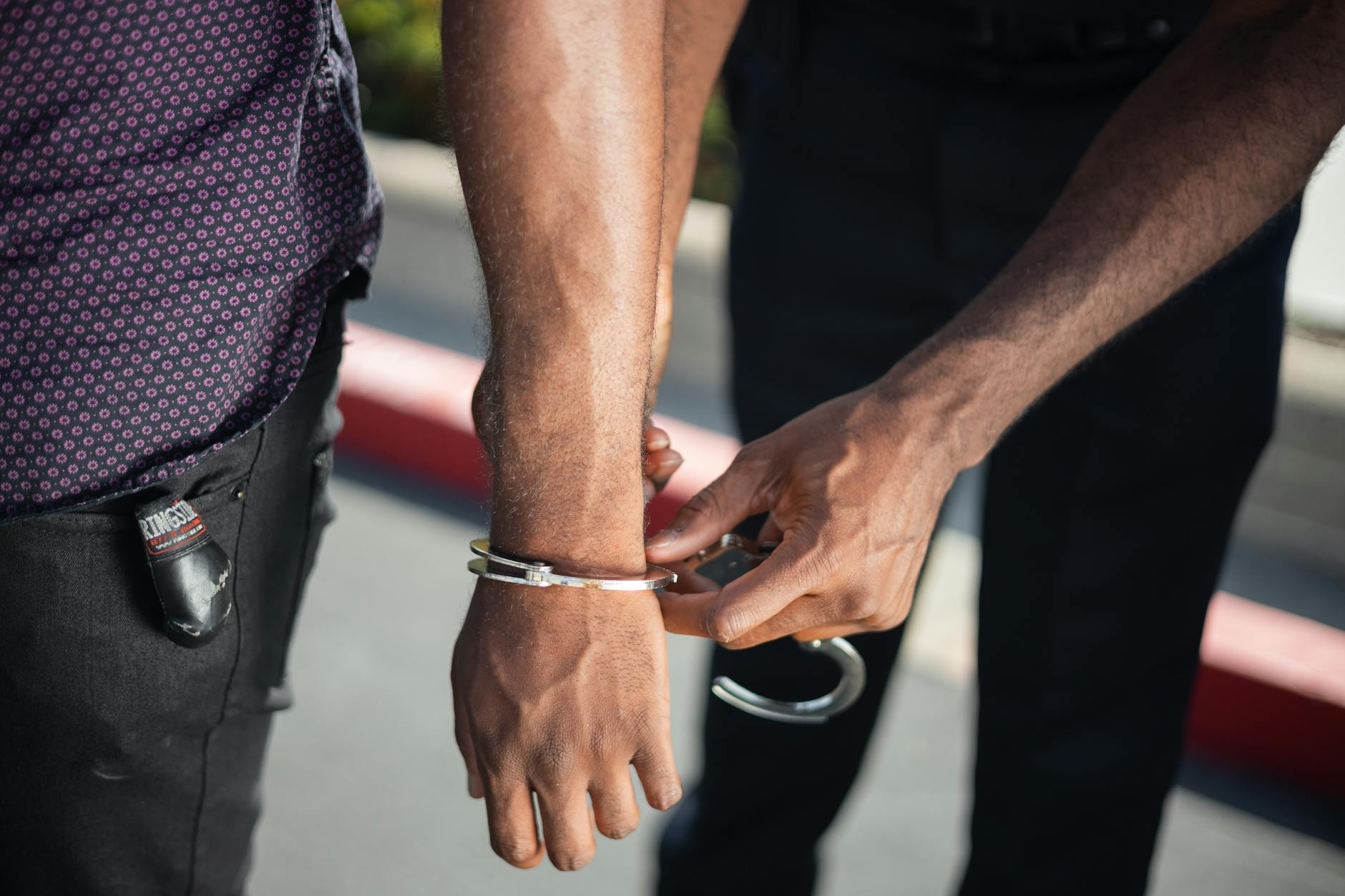
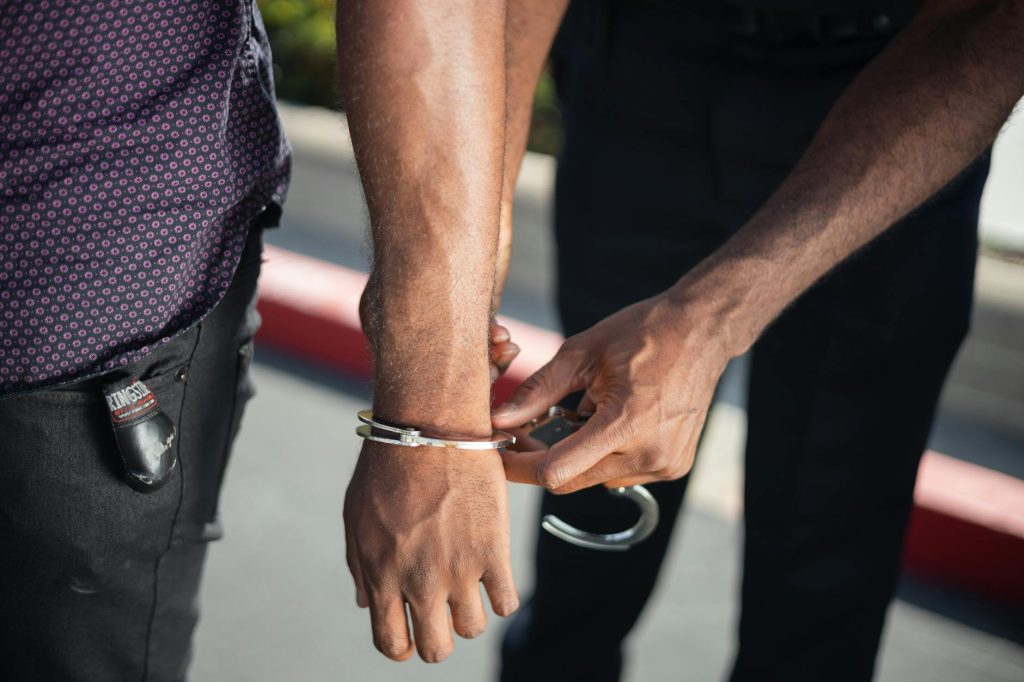
When Sunnyvale police received a report of a violent domestic assault, investigators immediately understood they were dealing with a potentially dangerous situation requiring swift action. The victim’s description of the suspect’s vehicle provided crucial information, but traditional follow-up methods would have been time-consuming and uncertain. Instead, law enforcement deployed their license plate reader network to identify and track the suspect’s movements.
The Flock Safety system, a prominent provider of automated license plate reader technology used by numerous jurisdictions, helped create a digital map of the suspect’s recent travels. By analyzing data from multiple fixed and mobile camera positions throughout the region, investigators were able to establish the vehicle’s likely location and narrow down potential hideouts. This intelligence-driven approach transformed what might have been a lengthy manhunt into a focused, targeted operation.
From Digital Evidence to Physical Safety
The intelligence gathered from the license plate reader data enabled police to approach the San Jose residence with specific knowledge about the suspect’s vehicle and likely whereabouts. Upon arrival and after obtaining proper legal authorization, officers discovered a loaded firearm on the premises—a finding that underscored the seriousness of the threat and the importance of rapid apprehension. A weapon in the hands of someone accused of violent assault represents an immediate danger to the community.
The recovery of the loaded firearm raises important questions about access to weapons by individuals involved in domestic violence situations. Domestic assault cases frequently involve weapons, and the correlation between domestic violence and firearm access is a significant public safety concern that law enforcement agencies take extremely seriously.
Understanding License Plate Reader Technology
For those unfamiliar with how license plate readers function, the basic process is surprisingly straightforward. High-definition cameras mounted on fixed structures like traffic signals, utility poles, or police vehicles continuously photograph license plates. Specialized software extracts the plate numbers and runs them through comparison databases within milliseconds. If a plate matches a wanted vehicle or is associated with a person of interest, the system generates an immediate alert to law enforcement personnel.
The data collected by these systems creates what experts call a “digital footprint” of vehicles moving through monitored areas. Over time, this information becomes extraordinarily valuable for pattern analysis. Investigators can determine where a suspect vehicle traveled, how often it visited certain locations, and during what times of day. This historical data can reveal behaviors, routines, and associations that might be invisible through traditional investigative methods.
Privacy Considerations in Modern Policing
The effectiveness of license plate reader technology inevitably raises questions about privacy and surveillance. Civil liberties organizations have expressed concerns about the mass collection of location data and whether such systems might be misused or applied without proper oversight. These are legitimate concerns that deserve serious consideration and ongoing public debate.
Many jurisdictions have established policies governing how license plate reader data can be accessed, retained, and used. Some regions have implemented data retention limits, requiring information to be deleted after a certain period unless it’s associated with an active investigation. Transparency in how these systems operate and oversight mechanisms are important safeguards that balance effective law enforcement with constitutional protections.
The Broader Context of Crime Prevention Technology
License plate readers represent just one element of a comprehensive technology ecosystem that modern police departments employ to keep communities safe. When combined with other tools like crime analysis software, social media monitoring, and traditional investigative techniques, these systems create a more complete picture of criminal activity and enable more precise interventions.
The integration of various technological systems allows law enforcement to work more intelligently rather than simply working harder. In the case discussed here, the combination of rapid license plate identification, prompt officer response, and thorough search procedures resulted in both a quick arrest and the removal of a loaded weapon from circulation. These outcomes demonstrate the tangible benefits that technology can provide when properly implemented.
Training and Accountability in Technology-Driven Investigations
As law enforcement agencies adopt increasingly sophisticated technologies, adequate training and accountability mechanisms become essential. Officers must understand the capabilities and limitations of the systems they use. They need to be trained in how to interpret data correctly, recognize potential errors, and maintain proper legal procedures when acting on technological intelligence.
Department policies should establish clear guidelines about when and how license plate reader data can be accessed, what constitutes sufficient cause for further investigation, and how to document the investigative chain of custody. These procedural safeguards help ensure that technology enhances rather than undermines the quality of police work and public trust.
Community Impact and Future Developments
Cases like the one in Sunnyvale demonstrate that technology, when properly implemented, can significantly enhance community safety. The rapid apprehension of a violent suspect prevents potential additional victims and removes weapons from the streets. For the affected community, knowing that law enforcement has effective tools to identify and locate dangerous individuals provides reassurance and confidence in public institutions.
As technology continues to evolve, we can expect further improvements in identification accuracy, faster processing speeds, and more sophisticated analytical capabilities. The challenge going forward will be maintaining these advances while establishing appropriate ethical guidelines and legal frameworks that protect citizen privacy and ensure technology is deployed fairly and transparently.
Conclusion
The arrest of the San Jose teenager accused of violent assault represents a modern success story of law enforcement technology. While such systems aren’t without controversy or potential for misuse, when properly implemented with appropriate oversight, they represent powerful tools for solving crimes and protecting public safety. As communities continue to grapple with how to balance security and privacy, cases like this serve as important examples of both the potential and the imperative for responsible governance of law enforcement technology.










Leave a Comment