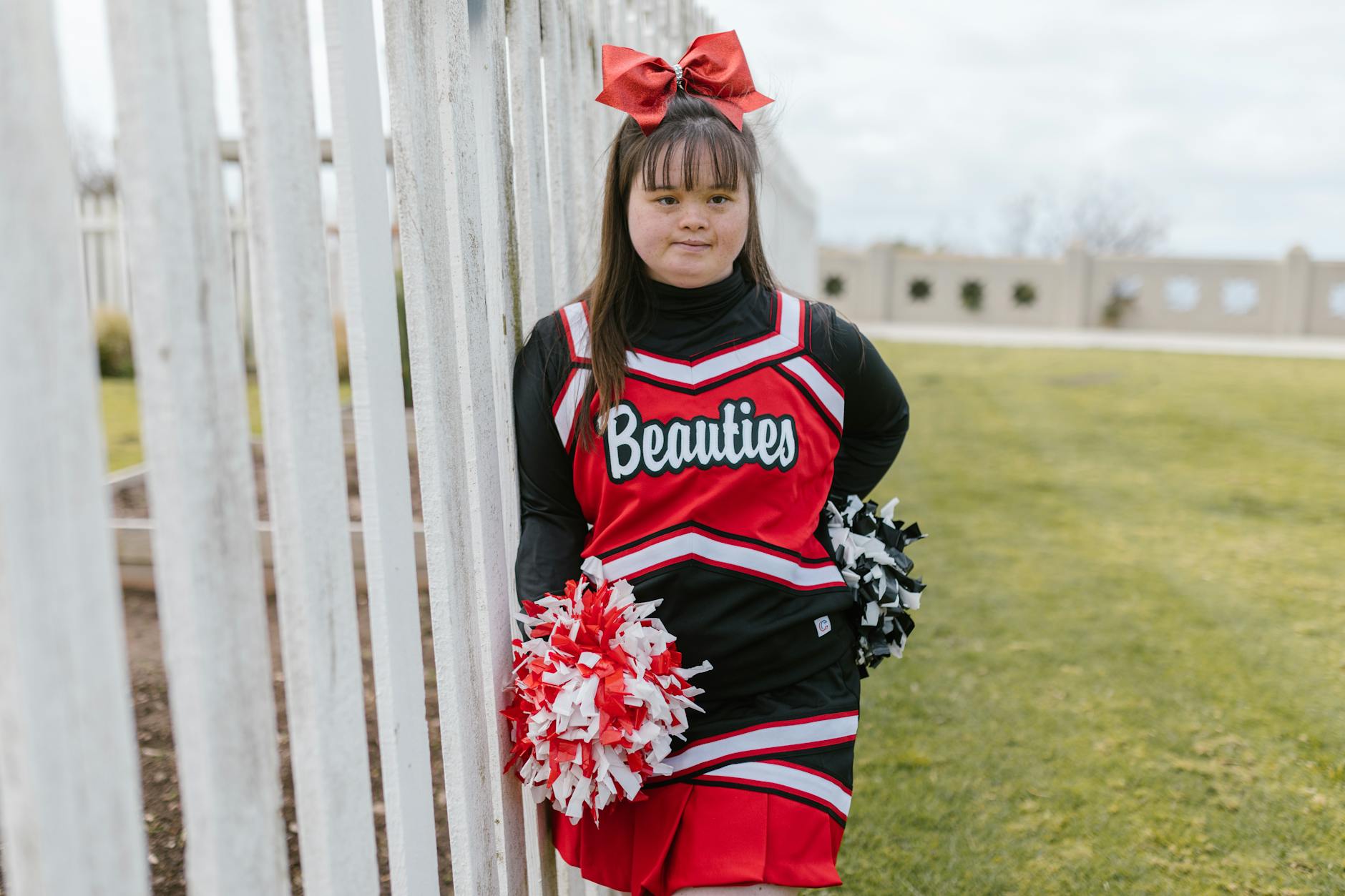
When Lyon County’s cheerleading squad impressed audiences at Kentucky’s prestigious Sweet 16 competition at Rupp Arena, they didn’t just showcase talent and coordination—they demonstrated the incredible potential that youth cheerleading programs create for young athletes. For Fayetteville families exploring sports options for their children, understanding the multifaceted benefits of competitive cheerleading programs reveals why this activity deserves serious consideration alongside traditional sports like basketball and soccer.
The Physical Foundation: Building Athletic Excellence
Youth cheerleading programs deliver comprehensive physical training that rivals many conventional sports. When young athletes join organized cheerleading teams, they immediately begin developing strength, flexibility, and cardiovascular endurance. The sport demands explosive power for jumps and stunts, core stability for complex formations, and explosive leg strength that translates to athletic performance across multiple domains.
Unlike sports focused on single movements, cheerleading requires athletes to master diverse physical skills. Children develop proprioception—body awareness in space—which becomes crucial as they progress through increasingly complex choreography. Balance improves dramatically through sustained pyramid formations and stunt work. The repetitive nature of learning new routines strengthens muscle memory and neuromuscular coordination.
Parents observing their children in cheerleading programs notice transformations within weeks. Posture improves as athletes learn proper alignment necessary for stunting safety. Flexibility increases through structured warm-ups and stretching protocols. Young cheerleaders often report greater ease in everyday movements, from climbing stairs to playing other recreational sports.
Mental Toughness and Emotional Intelligence
Beyond physical development, competitive cheerleading cultivates psychological resilience that serves children throughout their lives. When young athletes train for competitions like those featured at Rupp Arena, they face regular performance pressure that builds confidence and mental fortitude. Each practice session and competition teaches valuable lessons about handling pressure, processing constructive criticism, and rebounding from mistakes.
Cheerleading programs specifically develop emotional intelligence. Team members must communicate constantly about complex stunt sequences, requiring clear expression of concerns about safety and performance. This continuous dialogue builds authentic communication skills that enhance friendships and create emotionally supportive environments.
The sport also teaches goal-setting in practical contexts. Young cheerleaders understand that mastering a basket toss or perfecting timing in choreography requires incremental progress. This experiential learning about goal achievement proves more powerful than abstract instruction, embedding self-discipline and persistence into children’s behavioral patterns.
Team Bonding and Social Development
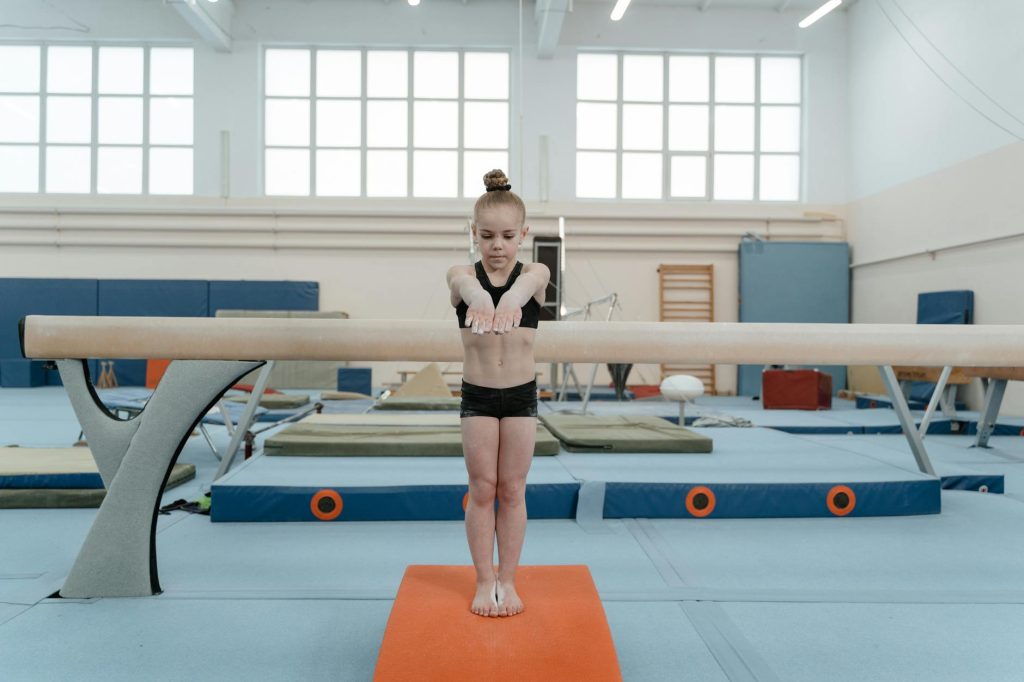
Youth cheerleading programs create exceptional team environments where social connection flourishes naturally. Unlike sports with individual positions where athletes work independently, cheerleading requires genuine interdependence. A pyramid literally cannot exist without every member performing their role perfectly. This physical interdependence creates psychological bonds that strengthen throughout the season.
Children in these programs develop genuine friendships forged through shared challenges and collective achievement. When teammates succeed together at competitions like the Sweet 16, the shared pride creates memories that last beyond the competitive season. These friendships often extend beyond practice facilities, becoming genuine social support networks that enhance overall wellbeing.
The team environment also develops leadership skills naturally. Senior cheerleaders mentor younger members in stunt progressions and choreography. Section leaders emerge organically as certain athletes demonstrate particular strengths. These leadership opportunities provide young people with meaningful roles and responsibilities.
Cardiovascular Health and Disease Prevention
Youth cheerleading programs provide sustained cardiovascular conditioning that helps prevent obesity and related health conditions. Training sessions combine high-intensity interval work during routine runs with sustained effort periods during choreography repetition. This combination of training styles maximizes cardiovascular adaptation.
Regular participation in these programs establishes active lifestyle patterns during critical developmental years. Children who experience the joy and community of organized athletics become more likely to maintain physical activity throughout adolescence and into adulthood. This early engagement with fitness creates lasting health trajectories.
The sport’s emphasis on training protocols and conditioning teaches young athletes about nutrition, hydration, and recovery—knowledge that informs healthier choices beyond cheerleading.
Competitive Experience Without Excessive Specialization
Cheerleading programs offer legitimate competitive experience while maintaining the flexibility that child development experts recommend. Unlike year-round specialized training in single sports, many cheerleading programs operate within defined seasons, allowing young athletes to explore other interests and activities.
This approach prevents burnout and overuse injuries that plague children in highly specialized athletic programs. Young cheerleaders can participate in other sports, pursue academic interests, and develop diverse skills without the pressure of year-round single-sport focus.
Building Confidence Through Visible Skill Progression
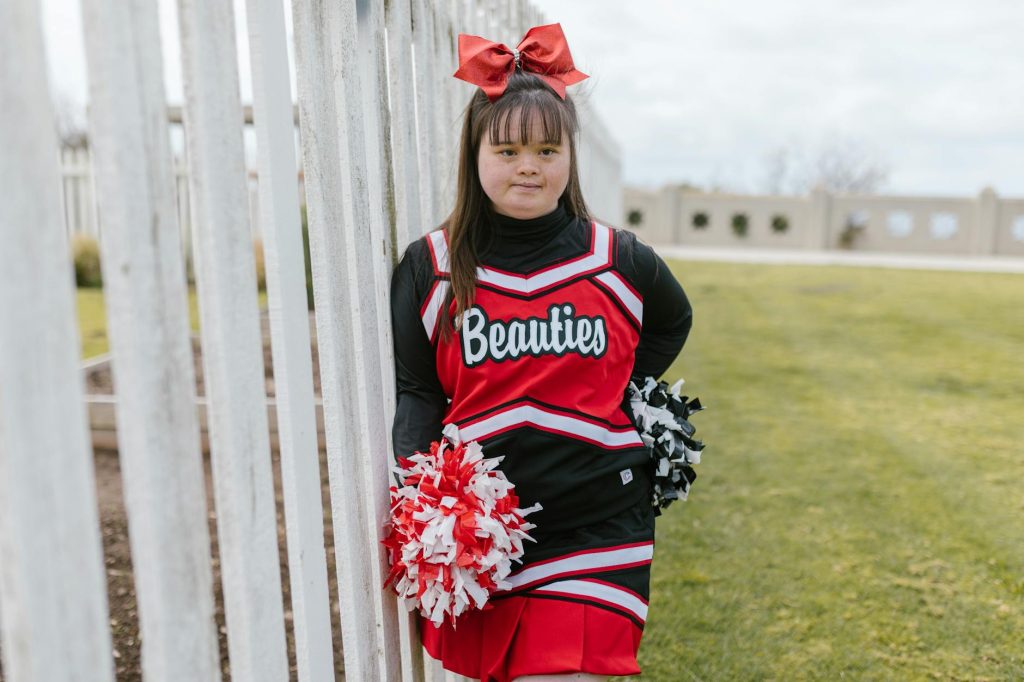
One remarkable aspect of youth cheerleading programs involves the visible, measurable skill progression. Children can literally see themselves performing movements impossible months earlier. A child who couldn’t execute a standing backflip in September achieves it by January. This tangible progress builds self-efficacy—the belief in one’s capacity to accomplish challenging goals.
This confidence extends beyond athletics. Young people who master difficult physical skills become more willing to attempt other challenges. Cheerleaders often demonstrate increased academic confidence and willingness to participate in other new activities.
Finding Quality Programs in Your Community
For Fayetteville families interested in enrolling children in youth cheerleading programs, several factors determine program quality. Look for organizations with certified coaches who emphasize safety, particularly for stunt progressions. Programs should maintain reasonable student-to-coach ratios and demonstrate commitment to inclusive participation models.
Quality programs balance competitive drive with athlete wellbeing, prioritizing safe progression and age-appropriate skill development. Ask about conditioning protocols, injury prevention strategies, and how programs accommodate athletes with varying experience levels.
Conclusion: Investing in Holistic Child Development
When Lyon County’s cheerleaders competed at Rupp Arena, they exemplified what youth cheerleading programs accomplish. These programs deliver far more than entertainment and competition success—they provide comprehensive physical conditioning, psychological resilience, social connection, and life skills that contribute to healthy child development. For Fayetteville families exploring youth sports options, competitive cheerleading deserves serious consideration as a program that genuinely benefits children’s overall health and wellbeing.








Leave a Comment